

In the bustling urban landscapes of Dhaka, Chittagong, or Sylhet, your home is more than just a structure; it is your sanctuary. Whether you are navigating the traffic of Gulshan to get home or dealing with the humid afternoon heat in Uttara, the moment you step through your door, your living space should actively work to reduce your stress, not add to it.
At DIT Studio, we believe that a truly beautiful home is one that functions seamlessly. While aesthetics—the marble floors, the false ceilings, and the accent walls—capture the eye, it is the functionality that captures the heart. A home should be designed to support your daily lifestyle, making routines effortless and comfortable. If you find yourself constantly navigating around awkward furniture arrangements or struggling to find storage for winter blankets during the humid summer months, your home’s design may be failing you.
Designing a functional home in the context of Bangladesh requires a unique approach. It isn’t just about placing furniture; it’s about understanding local climate challenges, cultural nuances like hospitality and joint family dynamics, and the specific constraints of modern apartment living. Here is a comprehensive guide to crafting a home that serves your needs first.
1. Your Lifestyle is the Blueprint
To design a functional home, we must first look inward. The “best” design is subjective; what works for a bachelor in Banani will not work for a multi-generational family in Dhanmondi. Before we draw a single line, we encourage you to audit your lifestyle.

Analyzing Family Dynamics
In Bangladesh, family structures are diverse. Are you a nuclear family, or do you live in a joint family setup?
- Joint Families: Requires a balance of communal spaces for “adda” and private retreats for individual family members. Sound insulation and multiple seating zones become critical.
- Hosting Culture: Bangladeshis are renowned for hospitality. If you frequently host large dinner parties or religious gatherings (Milads), your living and dining areas need flexible layouts that can expand when needed.
Conveying Needs to Professionals
When working with architectural firms in Bangladesh, verbal instructions often aren’t enough. Your designers need to understand the rhythm of your life. Do your children need a quiet corner for private tuition? Do your elderly parents require specific accessibility features? At DIT Studio, we don’t just ask what you want; we study how you live. We analyze behavior patterns to craft a home that feels familiar from day one, rather than a showroom you are afraid to touch.

2. The Right Floor Plan: Mastering Flow and Space
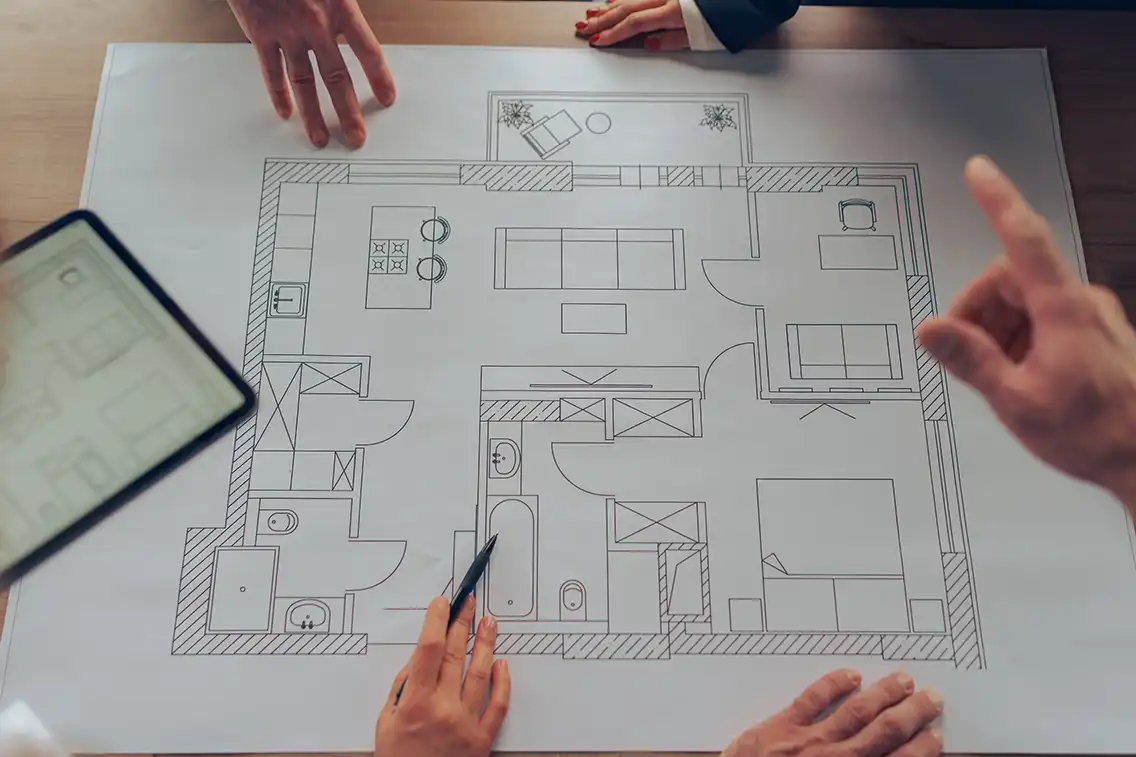
There is no universal definition of a functional home because every 2,000 sq ft apartment in Dhaka is laid out differently. The magic lies in the floor plan.
Visualizing Movement
Your floor plan dictates the traffic flow of your home. In many standard apartments in Dhaka, developers often maximize room count at the expense of flow. A functional redesign involves ensuring you can move from the bedroom to the kitchen without navigating an obstacle course. We prioritize “sightlines”—ensuring that the view from one room to another feels open and airy, combating the claustrophobia of dense urban living.
Flexibility for the Future
A rigid home is a fragile home. Your design should incorporate flexibility. Can the study room double as a guest room when relatives visit from the village? Can the dining area extend into the living space for Eid gatherings? Using sliding partitions or multi-purpose furniture allows your home to adapt to changing demands without requiring major renovation.
Accessibility for All Ages
In our culture, caring for elderly parents is a priority. Yet, accessibility is often an afterthought in home interior design in Bangladesh. We urge you to consider this early.
- Wider Doorways: Essential for wheelchair or walker access.
- Level Flooring: Avoiding unnecessary steps between rooms to prevent trips and falls.
- Grab Bars: Stylish, non-hospital-looking support bars in bathrooms.
Creating a barrier-free environment ensures your home remains safe and comfortable for every generation living under your roof.
3. Climate-Responsive Design: Battling Humidity and Heat
One of the biggest mistakes in local interior design is ignoring the Bangladeshi climate. Our weather—characterized by high humidity, intense monsoon rains, and dust—must influence your design choices.
Ventilation and Airflow
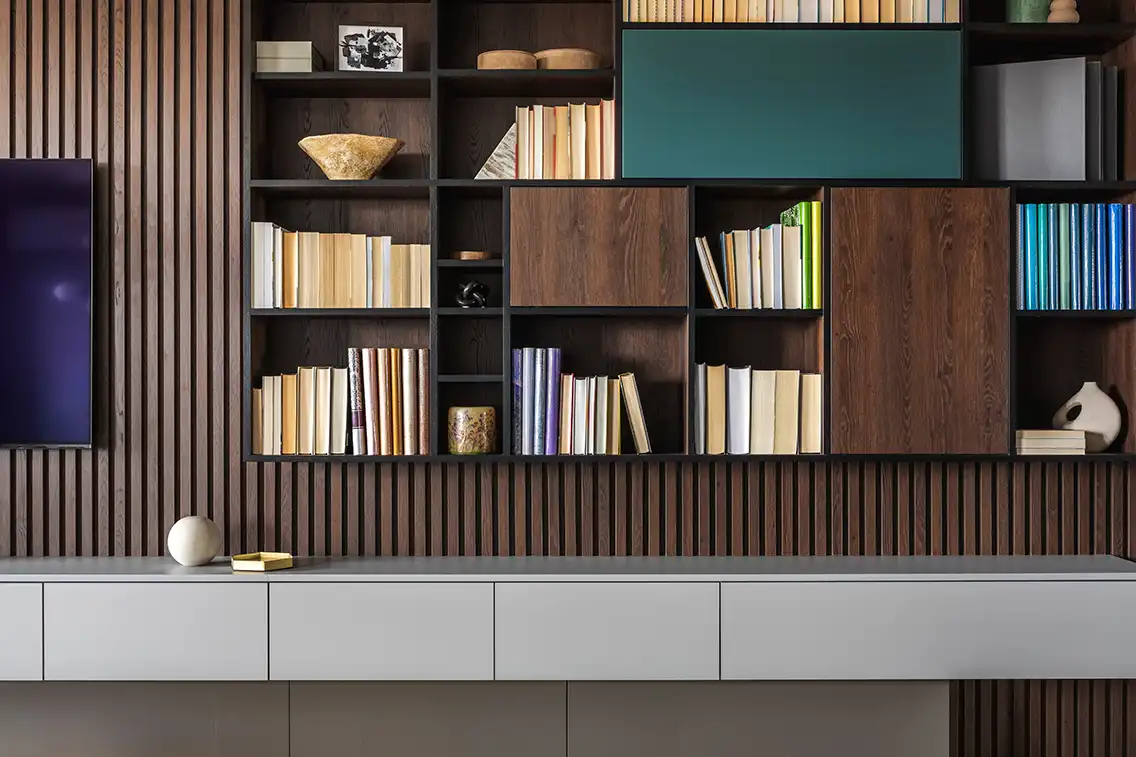
In a concrete jungle like Dhaka, natural cross-ventilation is a luxury, but it can be optimized. We position furniture and internal partitions to ensure that airflow isn’t blocked. Proper air circulation is vital to preventing the “stuffy” feeling common in closed-up apartments and reducing the reliance on air conditioning.
Material Selection
Not all materials survive our weather.
- Wood Choices: While we love the look of imported softwoods, they often warp in our humidity. We recommend seasoned local woods (like Teak or Mahogany) or high-grade treated engineered wood that can withstand moisture.
- Paint and Finishes: Anti-fungal and washable paints are essential to combat the mold growth that can occur during the rainy season.
- Flooring: In dusty areas, carpets can be a health hazard. High-quality tiles or marble are cooler underfoot and easier to clean, making them a functional choice for our climate.
4. The Kitchen: The Engine of the Home
In Bangladesh, the kitchen is a high-performance zone. Unlike Western kitchens that may see light salad preparation, our kitchens handle heavy cooking with oil, turmeric, and high heat.
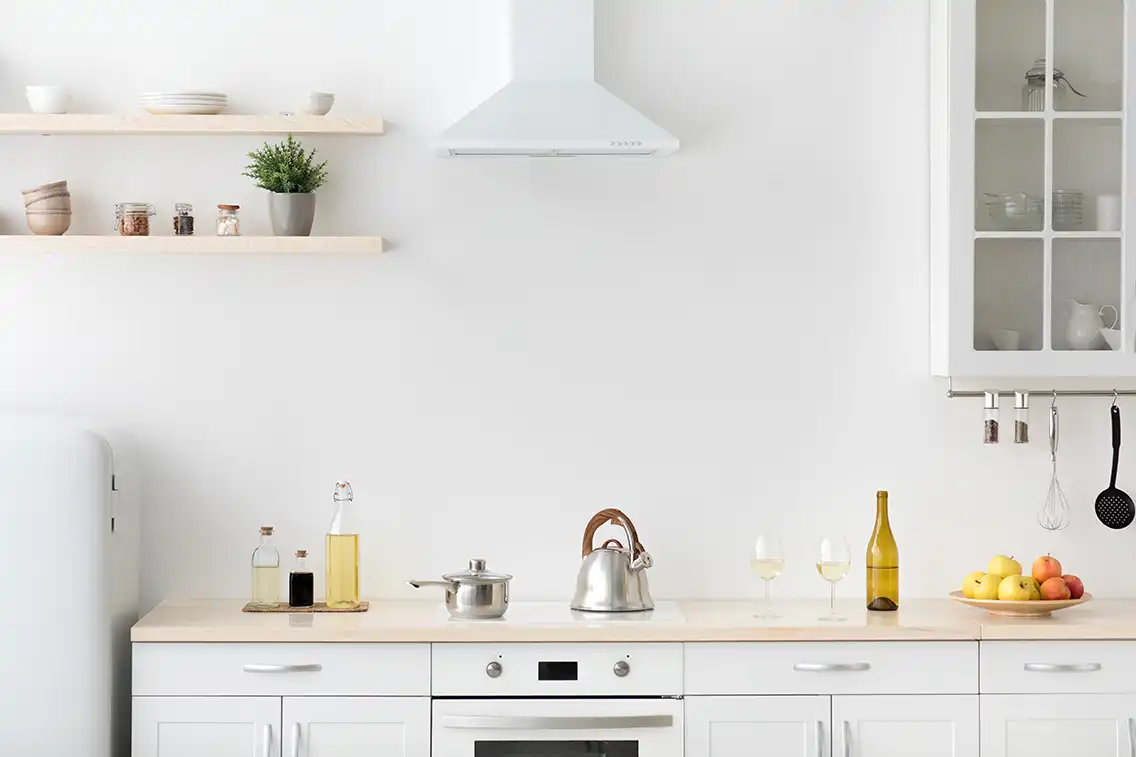
The Wet and Dry Kitchen Concept
For larger apartments, separating the kitchen into two zones is highly functional:
- The Wet Kitchen (Dirty Kitchen): An enclosed space with heavy-duty exhaust systems where deep frying, fish cleaning, and heavy cooking happen. This keeps strong odors and grease contained.
- The Dry Kitchen (Show Kitchen): An open-plan area connected to the dining room for light breakfasts, coffee, and reheating food. This adds a modern, luxurious feel while keeping the mess hidden.
Hygiene and Durability
Countertops must be non-porous (like quartz or granite) to resist turmeric stains and bacterial growth. We also recommend installing high-suction chimney hoods. Without powerful ventilation, oil particles settle on your expensive living room fabrics, ruining them over time.

5. Smart Storage Solutions: Decluttering Your Life
“Where did I put the keys?” “Where do we keep the winter quilts?”
These stressful moments arise from a lack of planned storage. In Bangladesh, we have specific storage needs that generic designs miss.
Seasonal Storage
We have a short winter, but the blankets and heavy clothes are bulky. A functional home includes dedicated loft storage or hydraulic beds designed specifically to house these items for the 10 months they aren’t in use, keeping your daily wardrobes clutter-free.
The Entryway (Foyer)
Culturally, we remove shoes before entering the main living space. A common chaotic sight in many homes is a pile of shoes at the door. A designed foyer with a dedicated shoe cabinet and a seating bench not only keeps the entrance tidy but also sets a welcoming tone for guests.
Vertical Storage
With real estate prices in areas like Bashundhara and Gulshan skyrocketing, floor space is premium. We utilize vertical space—floor-to-ceiling cabinets in bedrooms and kitchens—to maximize storage without eating up walkable areas. Modern pull-out pantries in the kitchen ensure that even the deepest corners of your cabinets are accessible.
6. The Bathroom: Prioritizing Hygiene and Safety
The washroom is a wet zone that requires careful planning to prevent it from becoming a maintenance nightmare.
Wet and Dry Separation
This is the single most effective upgrade for a Bangladeshi bathroom. By using glass enclosures or curbs to separate the shower area (wet) from the toilet and vanity (dry), you reduce the risk of slips and falls. It also prevents the buildup of mold and bacteria that thrive in constantly wet environments, keeping the bathroom hygienic and easier to clean.
Ventilation
Exhaust fans are non-negotiable. However, we also look at window placement to ensure natural light enters, which acts as a natural disinfectant against bacteria.
7. Smart Home Technology Integration
Technology is no longer a gimmick; it is a tool for functionality. However, in Bangladesh, “smart” means solving local problems.
Load Shedding Solutions
A functional home design integrates your IPS or UPS systems seamlessly. We design dedicated spaces for these inverters so they are hidden yet ventilated and easily accessible for maintenance. We also plan electrical loops so that essential lights and fans automatically switch over during power cuts without overloading the system.
Security and Convenience
Smart locks and video doorbells add a layer of security, essential for apartment living. Inside, smart lighting can help save energy bills—a practical consideration for every household.
8. Kids’ Rooms: Growing with the Child
Designing for children is tricky because they grow so fast. A themed room for a 5-year-old may be embarrassing for a 12-year-old.
The Strategy:
- Neutral Foundation: Keep the expensive elements (flooring, wardrobes, wall colors) neutral.
- Flexible Decor: Add color and themes through easily changeable elements like curtains, bedsheets, and wall decals.
- Study Zones: As academic pressure increases, having an ergonomic study desk with proper lighting is crucial for their focus and posture.
- Open Space: Avoid overstuffing. Kids need floor space to play and imagine. A clutter-free room promotes a calm mind.
9. Defining Your Style: Aesthetics Meets Personality
A functional home must also feed your soul. If the visual language of the home doesn’t resonate with you, you won’t feel at ease.
Whether you prefer the ornate details of traditional Bangladeshi design, the clean lines of minimalism, or the warmth of rustic chic, your style should be reflected in the finishes.
- Luxury: High-end marble, brass accents, and velvet upholstery.
- Earthy/Rustic: Terracotta accents, jute rugs, and exposed brick walls.
- Minimalist: Clean whites, hidden handles, and open spaces.
At DIT Studio, we help you articulate this style. We ensure that your aesthetic choices do not compromise functionality—for example, avoiding delicate fabrics on dining chairs if you have young children.
10. Partnering with DIT Studio
Designing a functional home is a complex orchestration of civil work, electrical planning, carpentry, and styling. It requires a partner who understands the local landscape.
When you work with experienced interior designers in Dhaka, you aren’t just buying drawings; you are investing in peace of mind. We handle the sourcing of authentic materials, manage local vendors, and navigate the challenges of construction in Bangladesh so you don’t have to.
The Collaborative Process
It is a two-way street. We need your input, and you need our expertise. We encourage you to not blindly follow trends you see on Pinterest. Just because an open-shelf kitchen looks good in a European loft doesn’t mean it’s practical for a dusty Dhaka apartment. We help you filter these ideas to find what is practical for your reality.
Conclusion: Invest in Your Daily Life
Your home is a long-term investment. It is where your children will grow, where you will celebrate Eids and festivals, and where you will retire at the end of a long day. Don’t leave its design to chance.
By prioritizing functionality—considering climate, culture, and lifestyle—you build a home that serves you. If you are ready to transform your space into a functional masterpiece that blends modern design with Bangladeshi sensibilities, DIT Studio is here to guide you.
Contact us today to start your design journey.