
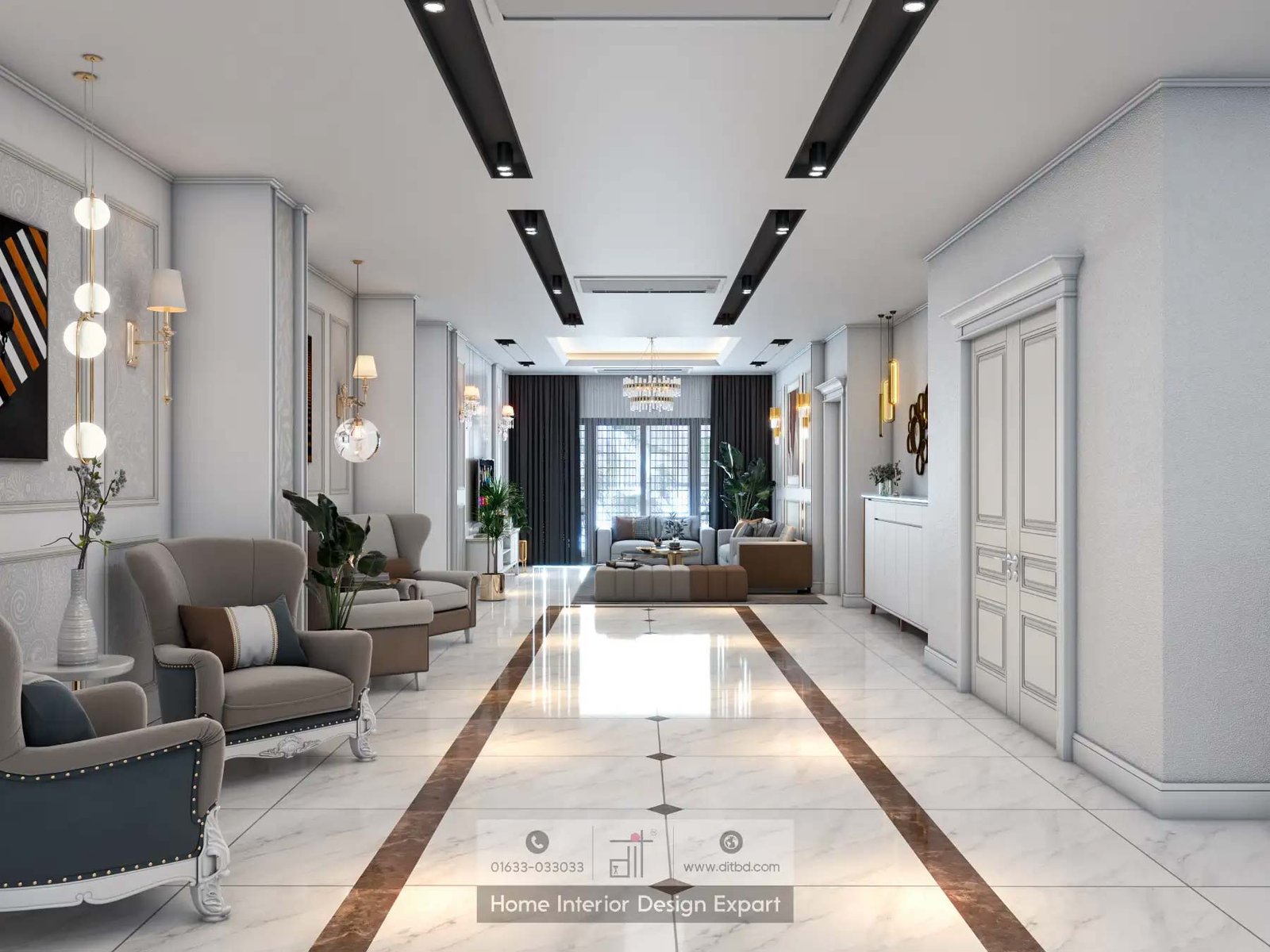
The Reality of Modern Living in Dhaka and Beyond
Urban living in Bangladesh, particularly in bustling metropolises like Dhaka and Chittagong, has evolved rapidly over the last decade. As real estate prices soar in prime locations like Gulshan, Banani, and Dhanmondi, the square footage of residential apartments has naturally decreased. Whether you are a young couple buying your first flat in Mirpur or a family downsizing to a modern apartment in Uttara, the challenge remains the same: how do you live comfortably without feeling cramped?
Living in a compact space doesn’t mean you have to compromise on luxury or functionality. In fact, the minimalist movement has taught us that less can often be more. However, simply buying less furniture isn’t the solution. The humid climate of Bangladesh, our unique cultural requirements (like hosting extended family or maintaining prayer spaces), and specific storage needs require a strategic approach.
At DIT Studio, we believe that space management is an art form. It requires blending architectural design principles with the practical realities of Bangladeshi life. Here is our comprehensive guide to maximizing space in small apartments, transforming them into functional, aesthetic sanctuaries.
1. The Magic of Multifunctional Furniture
In a small flat in Bangladesh, every square inch of floor space is premium real estate. You simply cannot afford furniture that serves only one purpose. The era of heavy, ornate Segun (Teak) wood furniture that dominates a room is shifting towards smarter, sleeker designs.
Smart Living Room Solutions
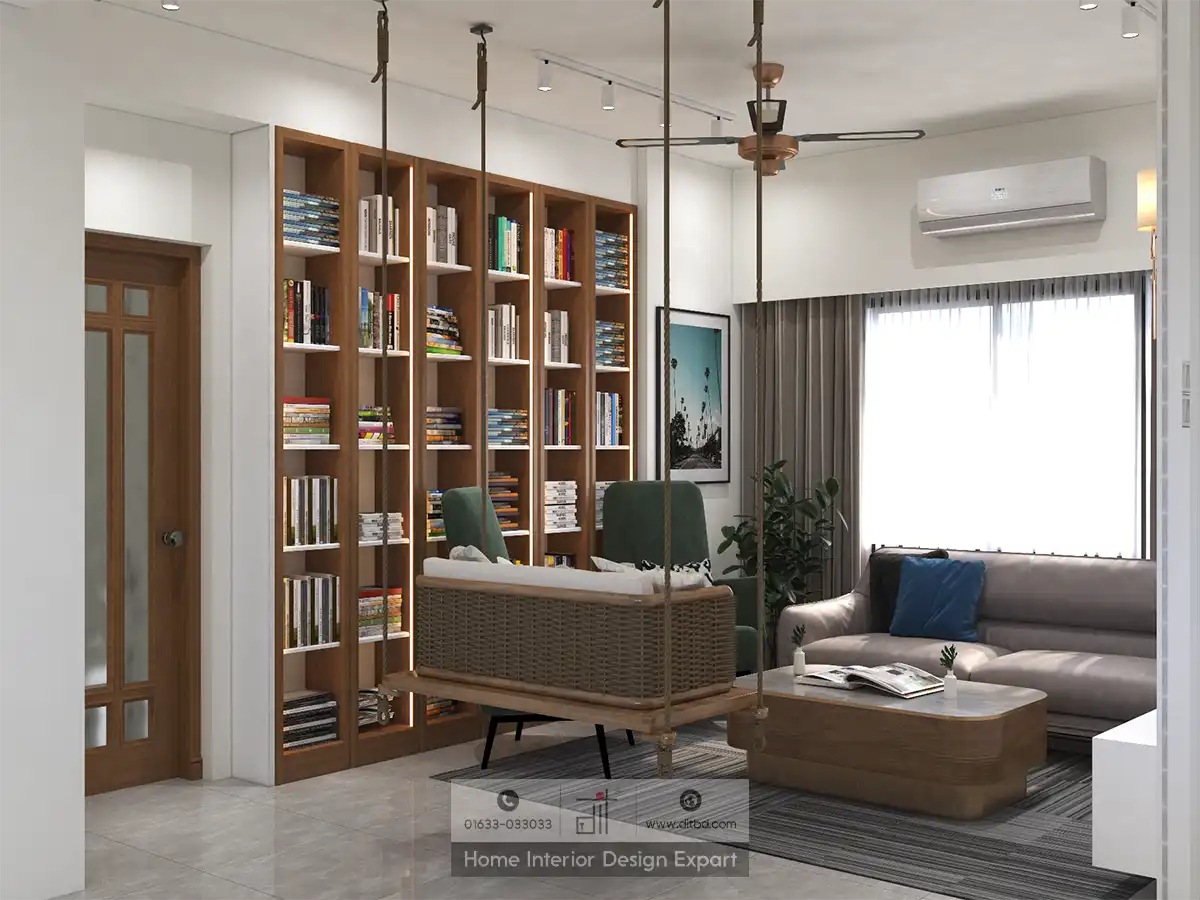
For your living or “drawing” room, avoid static center tables that just collect dust. Opt for coffee tables with hidden storage compartments. These are perfect for stowing away newspapers, TV remotes, and coasters. Some modern designs feature lift-top lids that transform the coffee table into a makeshift workspace or a dining surface for casual meals—perfect for the work-from-home culture that is growing in Dhaka.
Bedroom Versatility
Your bedroom often needs to double as a personal retreat and a home office. Consider installing a Murphy bed (wall bed) or a high-quality sofa-cum-bed. While traditional Bangladeshi households often prefer heavy wooden beds (Khat), a box-bed with hydraulic storage is essential for small rooms. It provides a massive amount of hidden storage for winter blankets (“lep-toshok”) and guest bedding, which are only used for a few months of the year.
2. Utilizing Vertical Space: The Unsung Hero
When you cannot build out, you must build up. One of the most common mistakes we see in home interior design in Bangladesh is ignoring wall space. Floor space gets cluttered while walls remain bare.
Floor-to-Ceiling Cabinetry
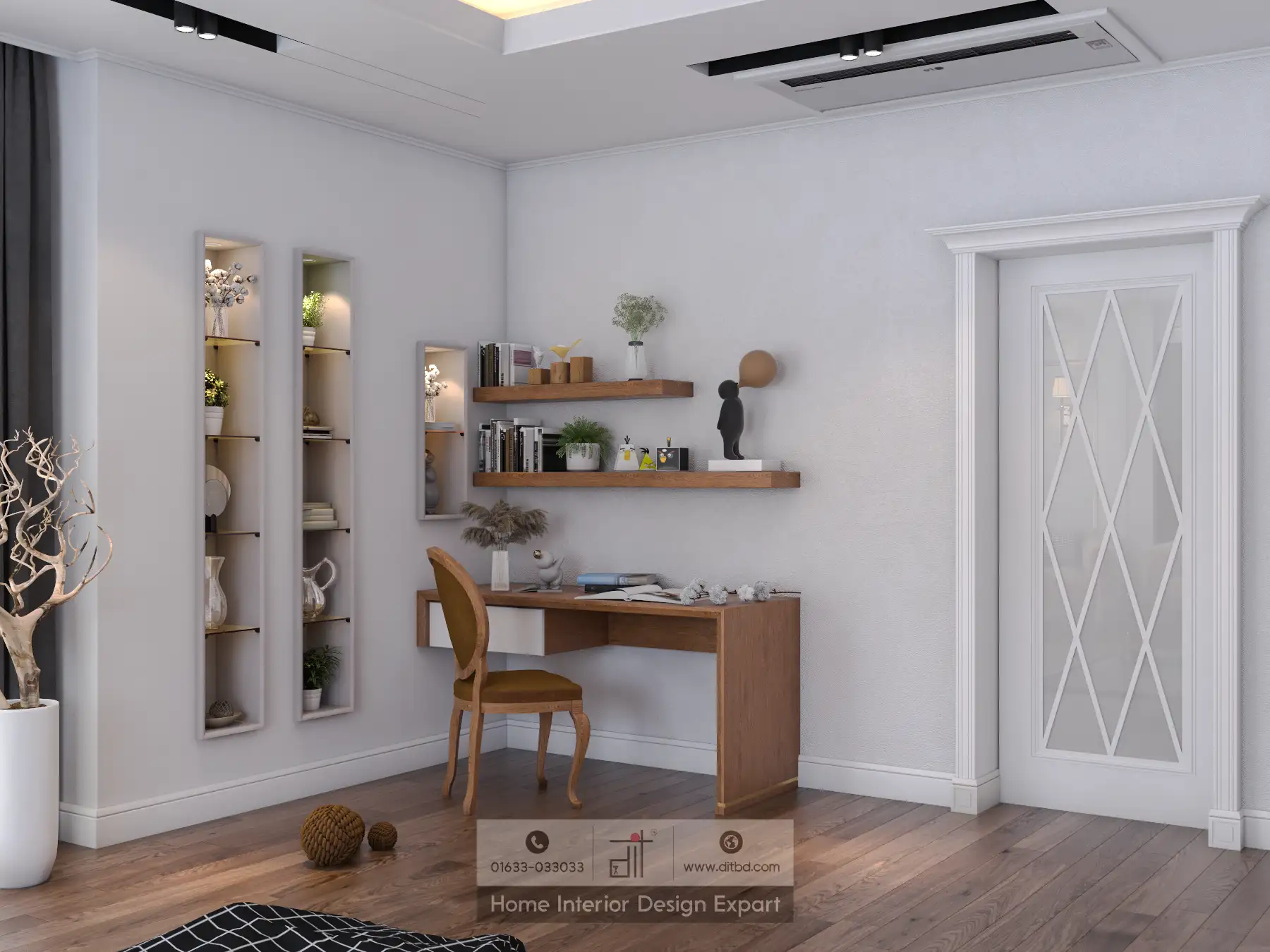
In areas like the bedroom and kitchen, aim for floor-to-ceiling wardrobes and cabinets. In many Dhaka apartments, there is often a “dead space” above the wardrobe. By customizing your carpentry to reach the ceiling, you gain valuable storage for suitcases and seldom-used items.
Wall-Mounted Solutions
Keep the floor visible to create an illusion of space. Instead of a bulky TV trolley, mount your television and use floating shelves for the set-top box and consoles. In the entrance foyer, install wall-mounted hooks and pegboards. This is particularly useful in Bangladeshi homes where we need organized spaces for keys, umbrellas (essential for the monsoon), and bags immediately upon entry.
3. The Custom-Made Advantage vs. Ready-Made
It is tempting to visit furniture markets in Panthapath or Rokeya Sarani and pick up ready-made pieces. However, for small apartments, this is often a strategic error. Ready-made furniture is built to standard sizes that may not account for the awkward pillars or beams often found in Dhaka’s apartment layouts.
Tailored to Your Architecture
Professional interior design services in Bangladesh advocate for custom-made furniture. A customized wardrobe can be built around a structural column, turning an eyesore into a functional feature. Personalized furniture ensures that a sofa fits your living room niche perfectly without blocking the path to the balcony.
Material Selection for the Climate
Customization also allows you to choose materials suited to our climate. High humidity levels in Bangladesh can damage certain particle boards. Custom solutions allow you to select moisture-resistant materials like Marine Plywood or treated wood, ensuring longevity against the damp weather common in our region.
4. Partitions and Sliding Doors: Flow and Privacy
In traditional Bangladeshi layouts, rooms are strictly compartmentalized with heavy swing doors. These doors require a “swing arc” of clearance, which eats up valuable floor space.
The Sliding Solution
Replacing traditional doors with sliding doors is one of the most effective ways to reclaim space. A sliding door for a bathroom or a kitchen can save up to 9 square feet of usable space. In tight corridors or en-suite bathrooms, this makes a massive difference in maneuverability.
Zoning Without Walls
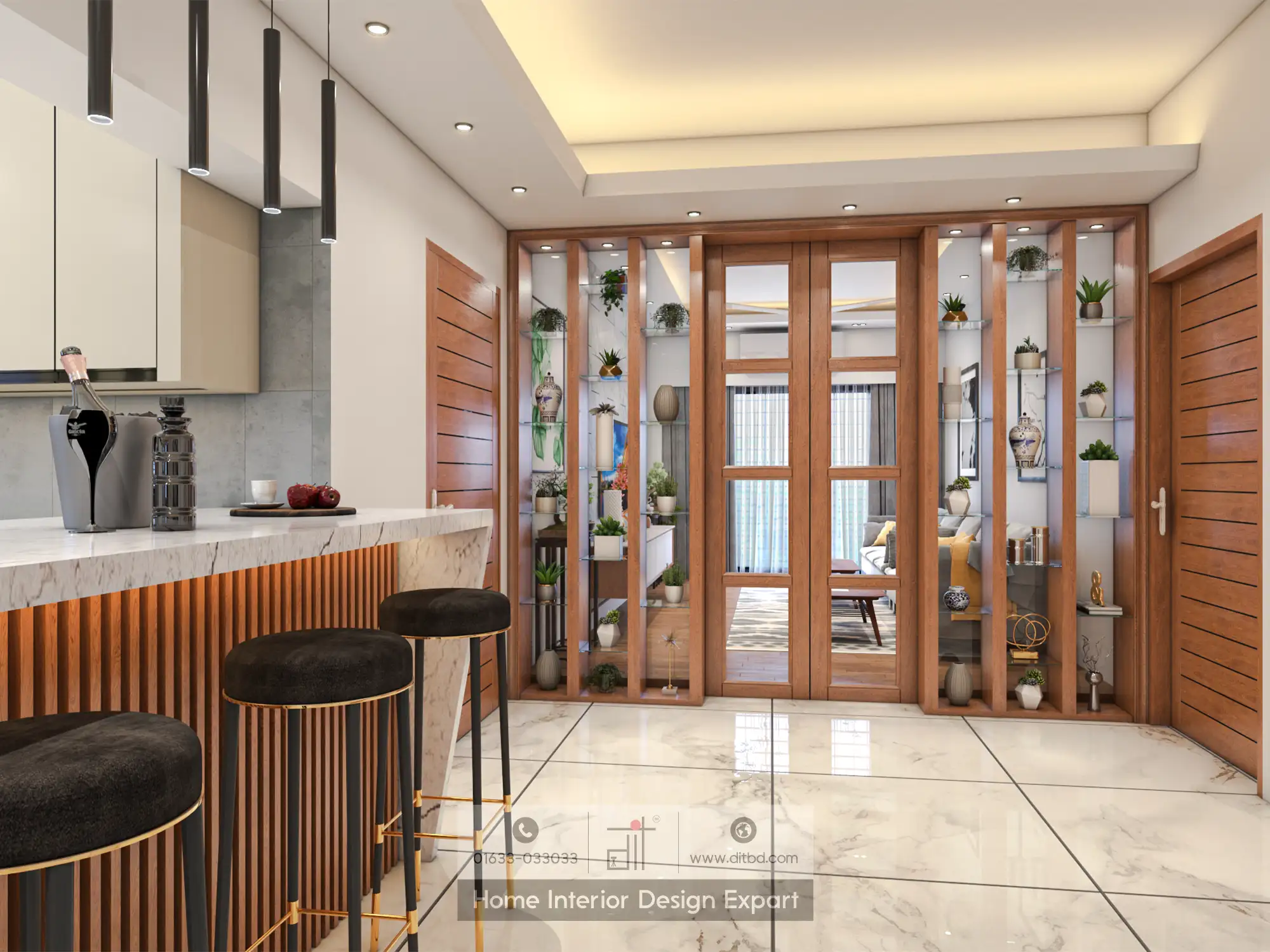
Modern apartments often feature open-plan living and dining areas. However, culturally, we often desire some separation, especially when entertaining guests. Instead of building a permanent brick wall that blocks light and shrinks the room, use glass partitions or decorative “Jali” screens. These dividers compartmentalize the space for privacy while allowing light to pass through, maintaining an airy feel.
5. Strategic Layout and Furniture Placement
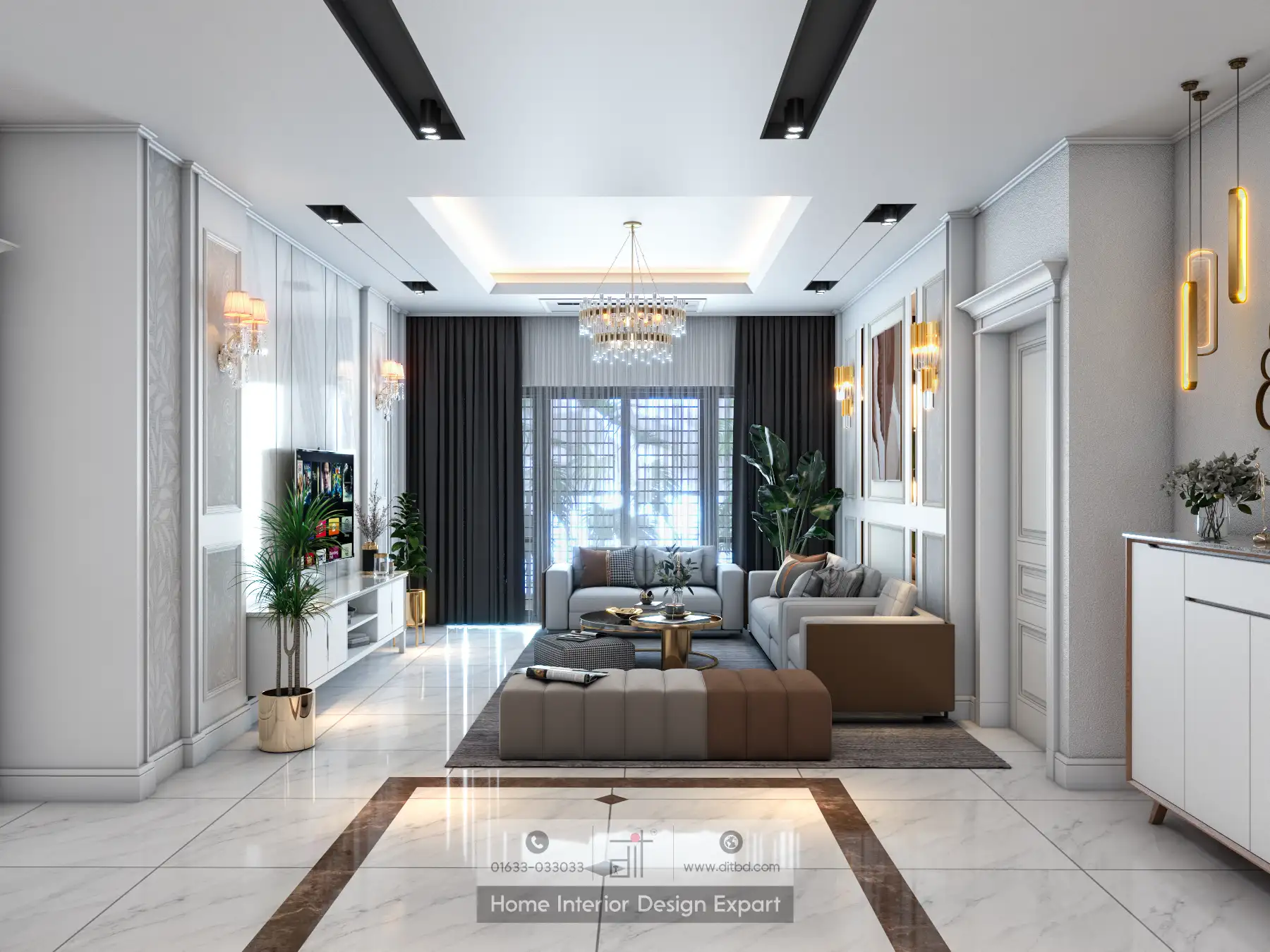
Harmony is key. Overstuffing a room disrupts the “Chi” or energy flow, making the space feel chaotic.
Understanding Scale
Study the scale of your room. A massive L-shaped sofa might look grand in a showroom, but it could choke a 12×12 foot living room. Ensure there is a clear walkway (circulation path) of at least 2 to 3 feet between furniture pieces. Avoid blocking entrances or the path to the veranda, as these are crucial for airflow and cross-ventilation—vital for cooling down homes during the hot Bangladeshi summers.
Corner Utilization
Corners are often wasted. Use corner shelves, tall lamps, or a hanging reading nook to activate these dead zones. However, maintain balance. If one side of the room has a heavy storage unit, keep the opposite side lighter with artwork or a mirror to avoid a lopsided visual weight.
6. Color, Light, and Visual Illusions
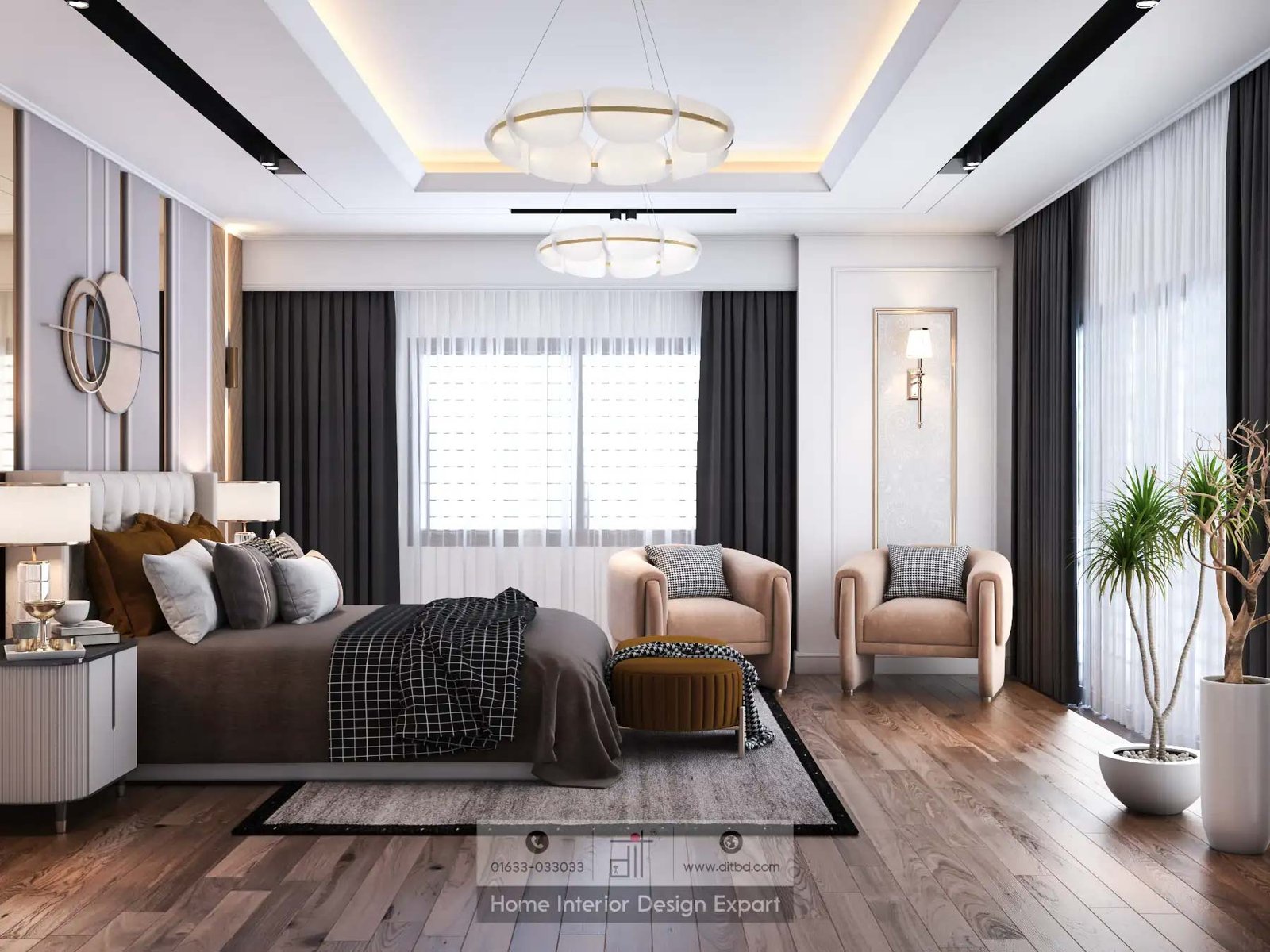
Colors do more than just look good; they manipulate our perception of space.
The Palette of Space
Light, neutral colors—whites, creams, soft grays, and beiges—are reflective. They bounce natural light around the room, making it appear larger. In Bangladesh, where dust is a perennial issue, some homeowners avoid white. However, using high-quality, washable emulsion paints can mitigate this concern while keeping the home looking spacious.
Accent and Focus
Does this mean you can’t use color? Absolutely not. Use vibrant colors like turmeric yellow, terracotta red, or deep greens for accent walls or textiles (cushions, curtains). This creates a focal point without closing in the walls.
Lighting Design
Don’t rely on a single tube light. Layer your lighting. Use warm cove lighting for ambiance, focused task lighting for reading or cooking, and recessed spotlights to highlight decor. Good lighting eliminates dark corners that make a room feel smaller.
7. The Smart Kitchen: Heart of the Bangladeshi Home
The kitchen is perhaps the most challenging space to design in a small flat. Bangladeshi cooking involves heavy usage of spices, oils, and various utensils (like the traditional ‘boti’ or heavy grinding stones/blenders).
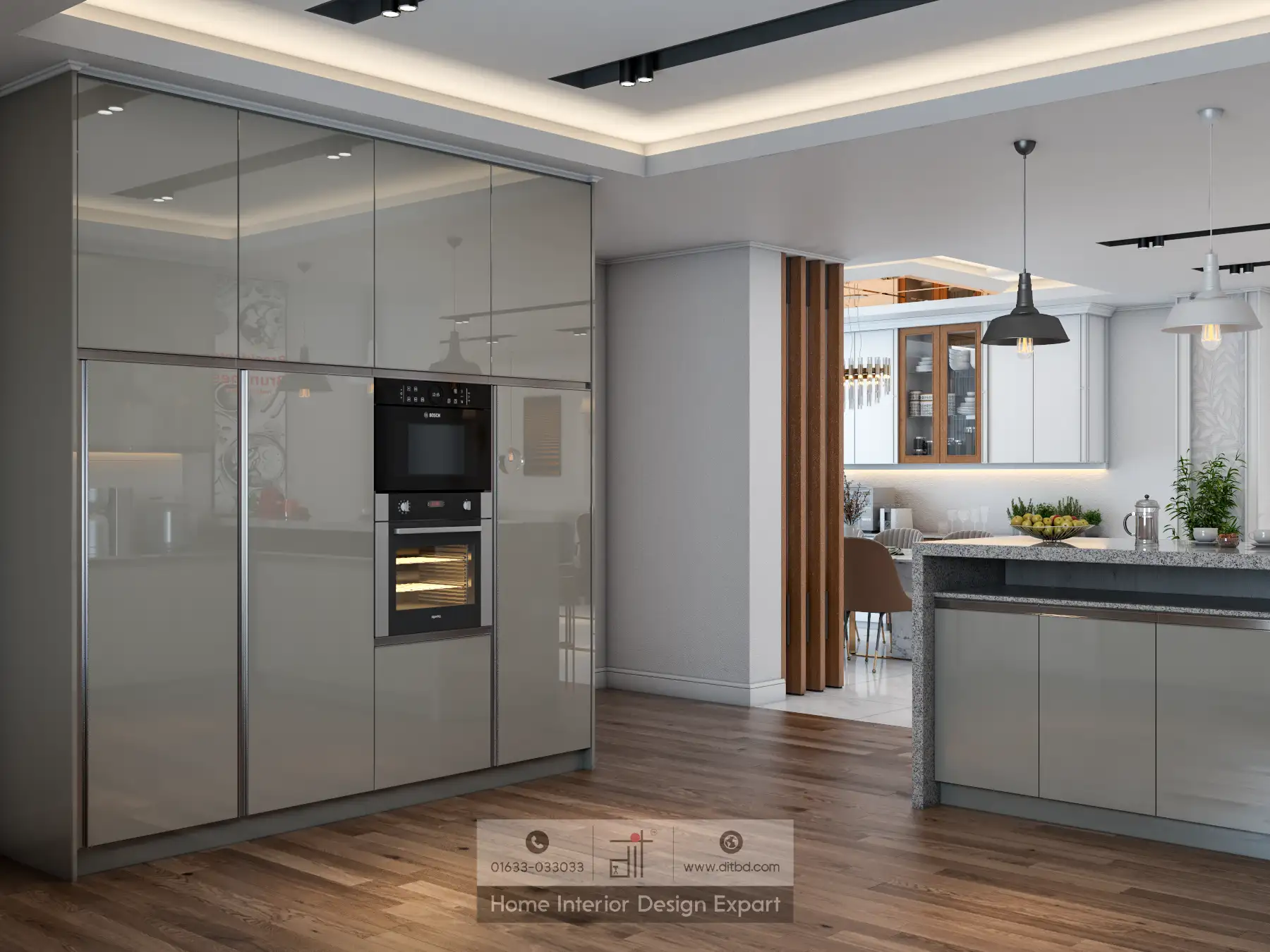
Modular Efficiency
Modular kitchens are increasingly popular in Dhaka for good reason. They utilize every nook.
- Pull-out Pantries: Perfect for storing spice jars and dry goods in narrow spaces.
- Corner Units: “Magic corners” or carousel units allow you to access deep corner cabinets that are usually unreachable.
- Chimney & Ventilation: Given the smoke and oil involved in our cuisine, a powerful kitchen chimney is non-negotiable in a small open-plan arrangement to prevent odors from settling on your living room furniture.
8. Cultural Nuances in Design
Designing for Bangladesh requires acknowledging our specific lifestyle needs.
- Shoe Storage: We remove shoes before entering the home. A slim, well-ventilated shoe cabinet at the entrance is a must to avoid a pile of footwear at the door.
- Prayer Space: Even in a small flat, finding a quiet corner for prayer is essential for many. This can be achieved with a fold-down wall shelf or a designated rug area that doesn’t obstruct daily traffic.
- Dining Hand-Wash: A small, stylish basin near the dining area is a standard requirement in our culture. Incorporating this aesthetically without it looking like a utility fixture is a key design challenge we solve.
Why Professional Design Matters
It is a common misconception that hiring an interior designer is an unnecessary luxury reserved only for sprawling duplexes in Baridhara. In reality, small spaces require more professional intervention than large ones. Maximizing a tight footprint requires precise engineering, knowledge of ergonomics, and access to custom manufacturing.
An interior design firm in Bangladesh like DIT Studio brings value by preventing costly mistakes. We understand the local building codes, the best sources for durable materials, and how to execute a renovation that minimizes disruption to your neighbors.
Conclusion
Living in a small apartment doesn’t mean you have to lower your standards of living. With thoughtful planning, customized furniture, and strategic lighting, your compact flat can feel like a spacious, luxurious home. It is about making every square foot work harder for you.
Whether you are looking for a complete renovation or just advice on space planning, the goal is to create a home that reflects your personality while functioning perfectly for the Bangladeshi lifestyle.Ready to transform your space? Contact DIT Studio today to schedule a consultation and let us help you unlock the full potential of your home.