
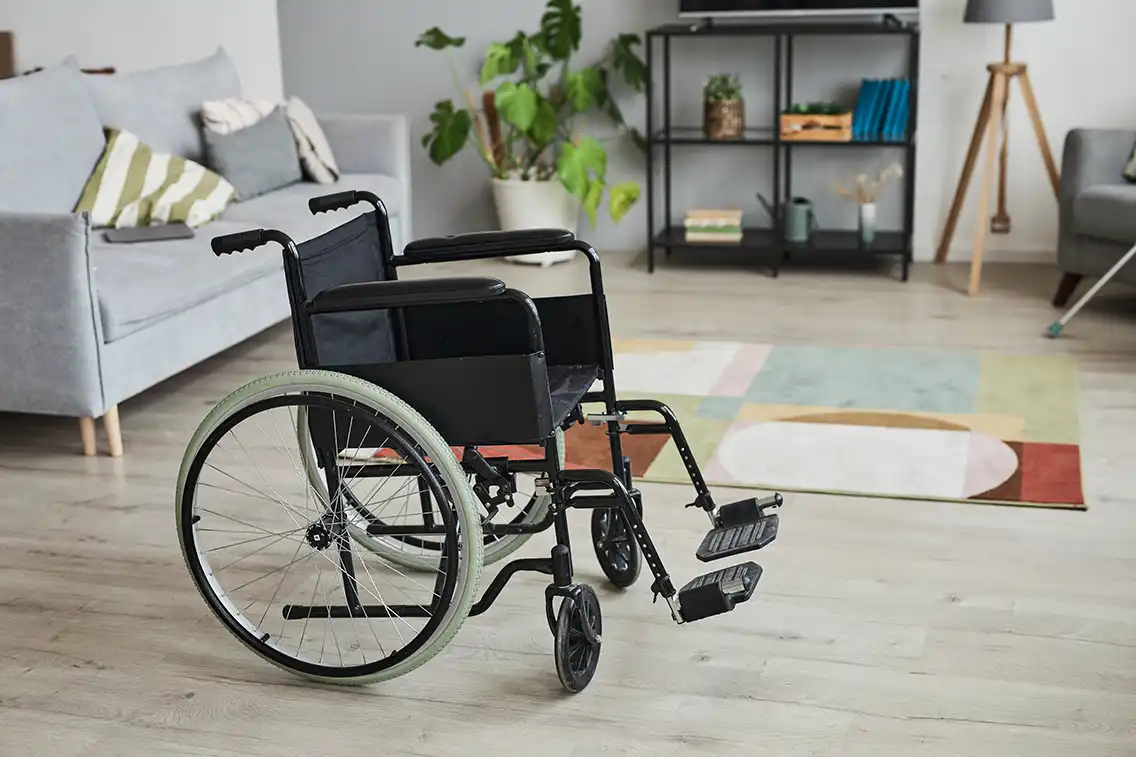
In the bustling urban landscape of Bangladesh, from the high-rises of Gulshan to the residential avenues of Uttara, the concept of “home” is evolving. It is no longer just about aesthetic appeal or showcasing luxury; it is about creating a sanctuary that serves everyone. In our culture, multi-generational living is the norm. A single flat often houses toddlers taking their first steps, working adults, and grandparents navigating the challenges of aging.
Accessibility in interior design is often misunderstood as being solely for hospitals or specialized care facilities. However, true “Universal Design” is about removing barriers and ensuring comfort for every family member, regardless of age or ability. As a leading voice in interior design Bangladesh, DIT Studio recognizes that a truly beautiful home is one that functions seamlessly for everyone.
Whether you are renovating an apartment in Dhanmondi or planning a duplex in Bashundhara, understanding accessible interiors is crucial. This guide dives deep into how you can blend safety, functionality, and style to create a home that welcomes everyone.
Understanding Universal Design in the Context of Bangladesh
“Accessibility is about removing barriers and providing the benefits of technology for everyone.” – Steve Ballmer
When we talk about home interior design Bangladesh, we must consider our unique lifestyle. Unlike Western homes, our households are busy hubs of activity. We have frequent guests, extended family members staying over, and domestic help navigating the space daily.
People with physical challenges or those advancing in age are not “unable”; they simply interact with their environment differently. Expert architectural firms in Bangladesh are now inclining towards universal accessibility. This approach ensures that your elderly parents can move freely without fear of falling, your guests feel welcome, and children can play safely.
The “Joint Family” Design Challenge
In Dhaka and Chittagong, the joint family structure dictates specific design needs. You might need a space that accommodates:
- The Elderly: Who may use walking aids or wheelchairs.
- Children: Who are prone to running and bumping into furniture.
- The Injured: Temporary accessibility needs (like a broken leg) should not make a home unlivable.
1. The Foyer: Creating a Mess-Free, Accessible Entryway
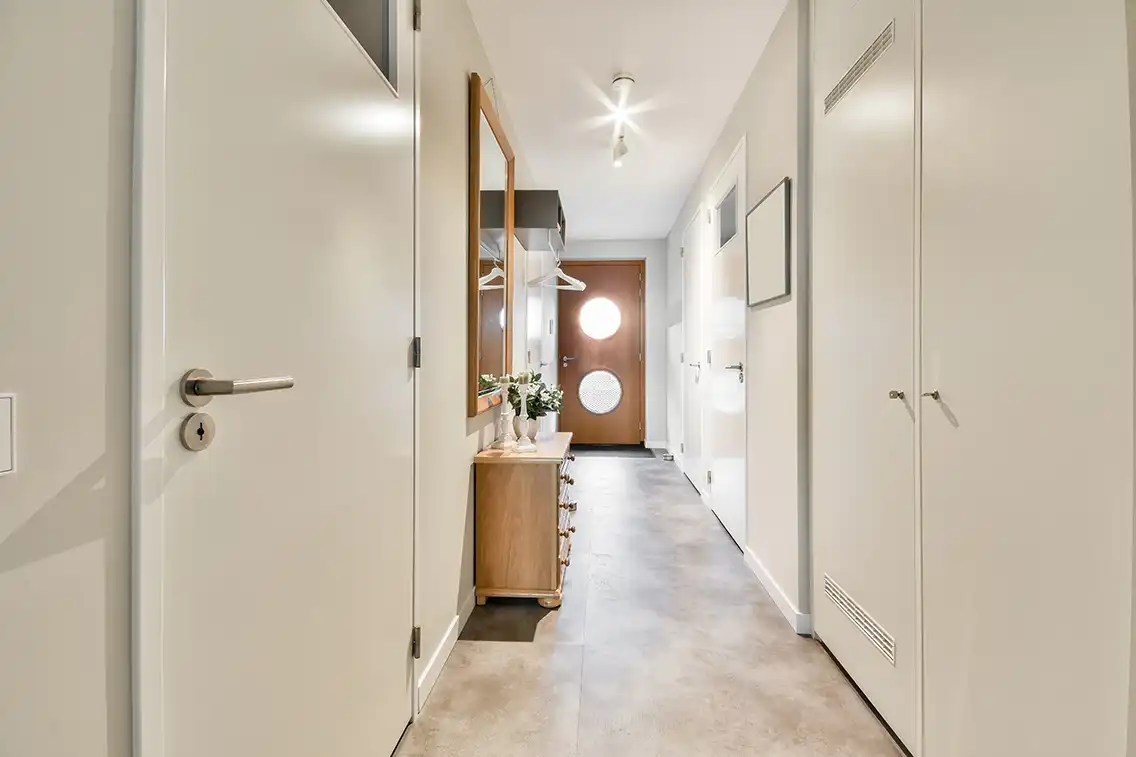
Your home begins at the front door. In Bangladeshi culture, the entryway is a high-traffic zone where shoes are removed, and greetings are exchanged. However, in many apartments, the foyer is narrow and cluttered, posing a tripping hazard.
De-cluttering for Safety
The first rule of accessibility is keeping the path clear. Avoid stuffing the entrance with decorative urns or oversized plants that block the walkway. A minimum clearance of 36 inches is recommended to allow wheelchair or walker access.
Functional Furniture
Opt for multifunctional furniture. A slim shoe cabinet that doubles as a console table is ideal.
- Seating is Essential: Incorporate a small bench or a sturdy ottoman. This allows elderly family members to sit comfortably while taking off or putting on their shoes—a small detail that makes a massive difference in daily comfort.
- Accessible Heights: Ensure the surface of the console table is at a reachable height for everyone, including those seated in a wheelchair, to drop off keys or mail.
Hardware Considerations
Replace round doorknobs with lever handles. In humid climates like ours, hands can be slippery, or elderly family members might struggle with grip strength (arthritis). Lever handles are much easier to operate for everyone.
2. The Living Room: Balancing Comfort and Flow
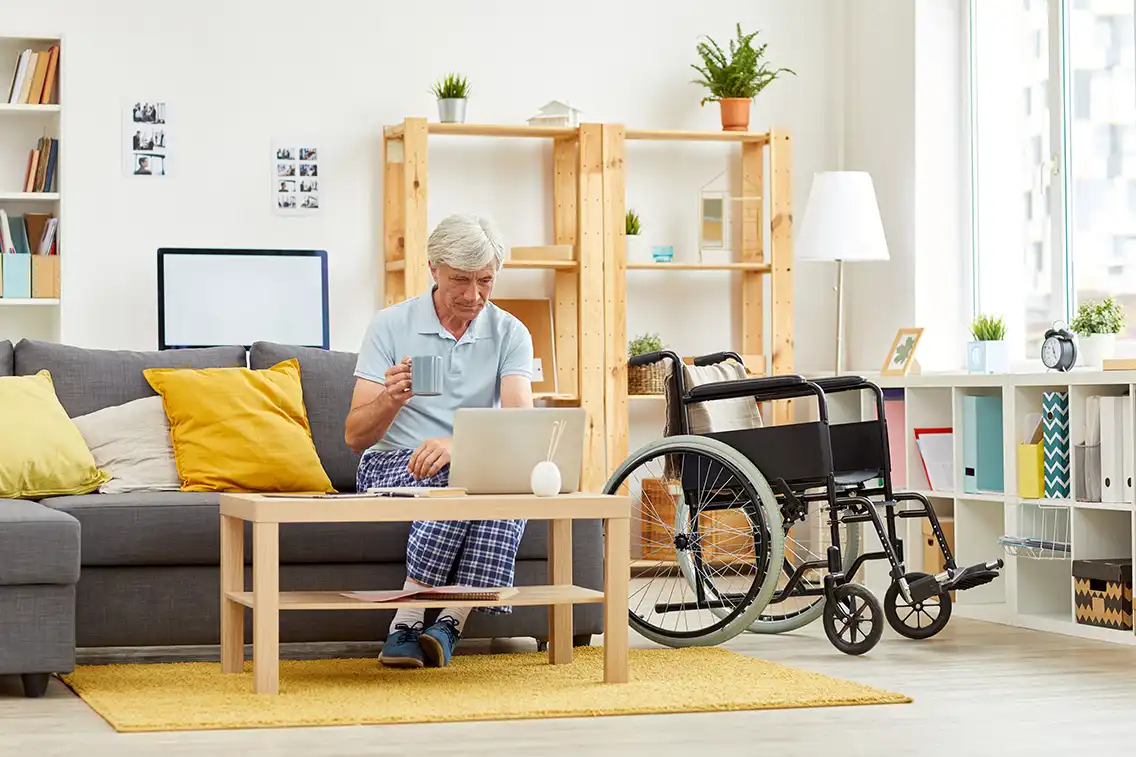
The living room is the heart of the Bangladeshi home. It is where cricket matches are watched, tea is served, and family gatherings happen. As an interior designer Bangladesh relies on for functional spaces, we prioritize flow in the living area.
Strategic Layouts
It is tempting to fill a large living room in Banani with heavy furniture, but “less is more” for accessibility.
- Clear Pathways: Ensure there is ample space between the sofa, coffee table, and TV unit. A wheelchair or a person with a walker should be able to turn around (requiring a 60-inch turning radius) without bumping into things.
- Varied Seating: Don’t just buy low, sinking sofas. Include firm armchairs with back support and armrests. These are much easier for older adults to stand up from compared to deep, plush lounges.
Cable Management & Smart Tech
In modern interiors, technology is everywhere. Loose wires from TV units, Wi-Fi routers, and lamps are major tripping hazards.
- Concealment: Use built-in cable managers or run wires behind walls during the renovation phase.
- Smart Controls: Consider installing smart lighting systems compatible with Google Home or Alexa. This allows family members to turn lights on/off via voice command—a huge help for someone with limited mobility.
3. The Kitchen: A Safe Haven for Culinary Art
The kitchen is perhaps the most complex room to design in Bangladesh due to our heavy cooking style involving oils, spices, and heat. The “Open Kitchen” concept is rising in popularity in Dhaka, allowing for social interaction, but it must be safe.
Countertops and Cabinets
For a kitchen interior design Bangladesh households find practical, ergonomics is key.
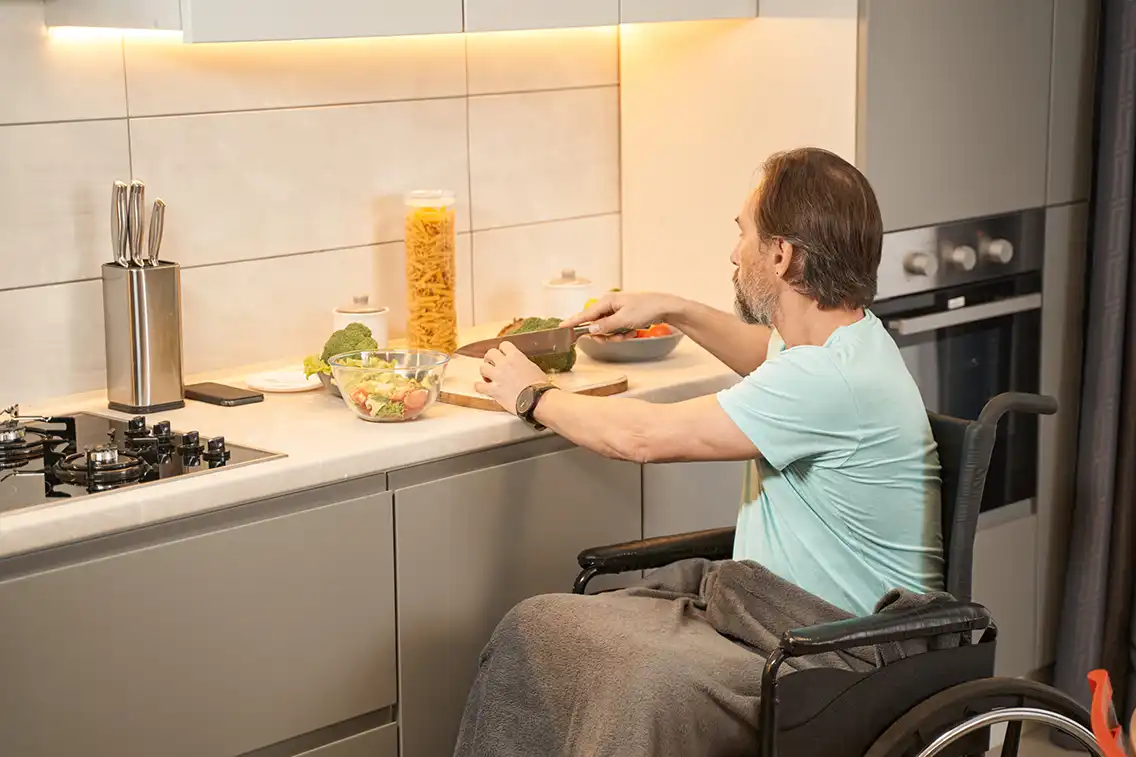
- Multi-Level Counters: Consider having a section of the countertop at a lower height. This allows someone to chop vegetables while sitting down—perfect for an elderly mother who loves to cook but cannot stand for long periods.
- Pull-Down Shelving: High cabinets are useless if they can’t be reached. Install pull-down shelf mechanisms in upper cabinets so items can be accessed without a step stool.
Appliance Placement
Place microwaves and ovens at counter height rather than below the counter or high up. This prevents the need for dangerous bending or reaching while holding hot dishes.
4. Bathroom Design: Preventing Slips and Falls
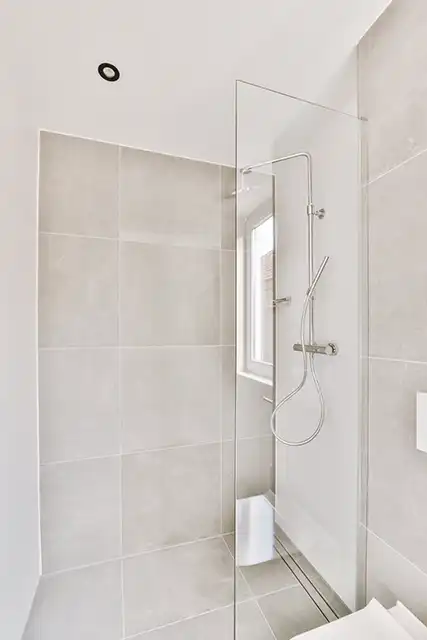
Bathrooms are statistically the most dangerous room in the house, especially in humid regions like Sylhet or Dhaka where condensation is high. A “wet” bathroom floor is a recipe for disaster.
Non-Slip Flooring
This is non-negotiable. Use matte-finish or textured tiles with a high anti-slip rating. In Bangladesh, where water usage in bathrooms is high, ensuring rapid drainage and dry zones is essential.
Grab Bars and Support
Gone are the days when grab bars looked clinical. Modern manufacturers offer stylish chrome or matte black grab bars that double as towel rails.
- Location: Install them near the toilet and inside the shower area.
- Shower Access: A curbless (roll-in) shower is the gold standard for accessibility. If that isn’t possible, minimize the step-over height. Include a built-in bench or a fold-down shower seat.
5. The Bedroom: A Restful Sanctuary
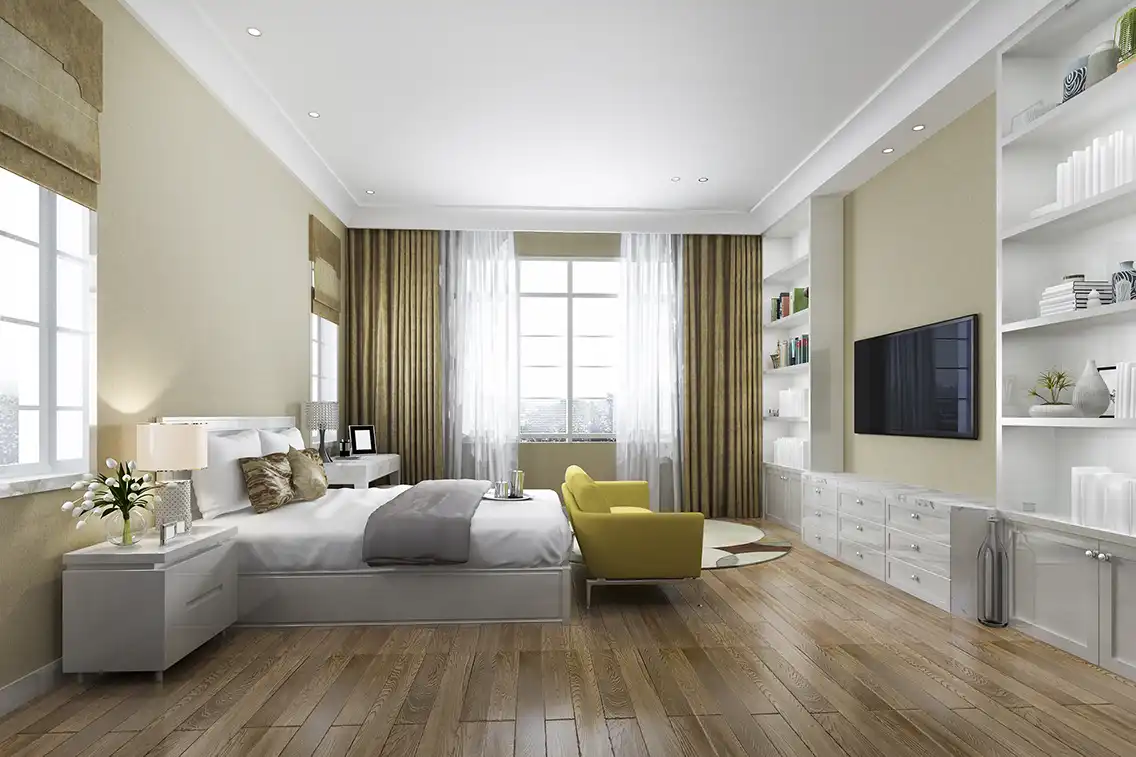
Your bedroom should be a stress-free zone. If a bedroom is cluttered or poorly lit, it adds to anxiety rather than reducing it.
Bed Height and Clearance
The ideal bed height (including the mattress) should be between 20 to 23 inches from the floor—roughly chair height. This makes transferring from a wheelchair or sitting down to get out of bed significantly easier on the knees.
Lighting and Visibility
Shadowy corners are dangerous.
- Two-Way Switches: Ensure lights can be controlled from the bed. No one should have to walk across a dark room to turn off the light before sleeping.
- Motion Sensors: Consider low-level motion sensor lights near the floor. If someone needs to use the washroom at night, the path illuminates automatically, preventing disorientation.
6. Climate and Material Considerations in Bangladesh
Designing for accessibility also means designing for the local environment.
Humidity and Flooring
In our monsoon season, floors can become slippery due to humidity. Avoid high-gloss marble in high-traffic areas if elderly people live with you. Engineered wood or matte porcelain tiles are safer and warmer underfoot.
Maintaining Air Quality
Accessibility also includes respiratory health. With the dust levels in Dhaka, consider materials that are easy to clean and don’t trap dust mites. Avoid heavy wall-to-wall carpeting; opt for washable area rugs (secured with anti-slip tape) instead.
7. Safety for Children: Beyond Aesthetics
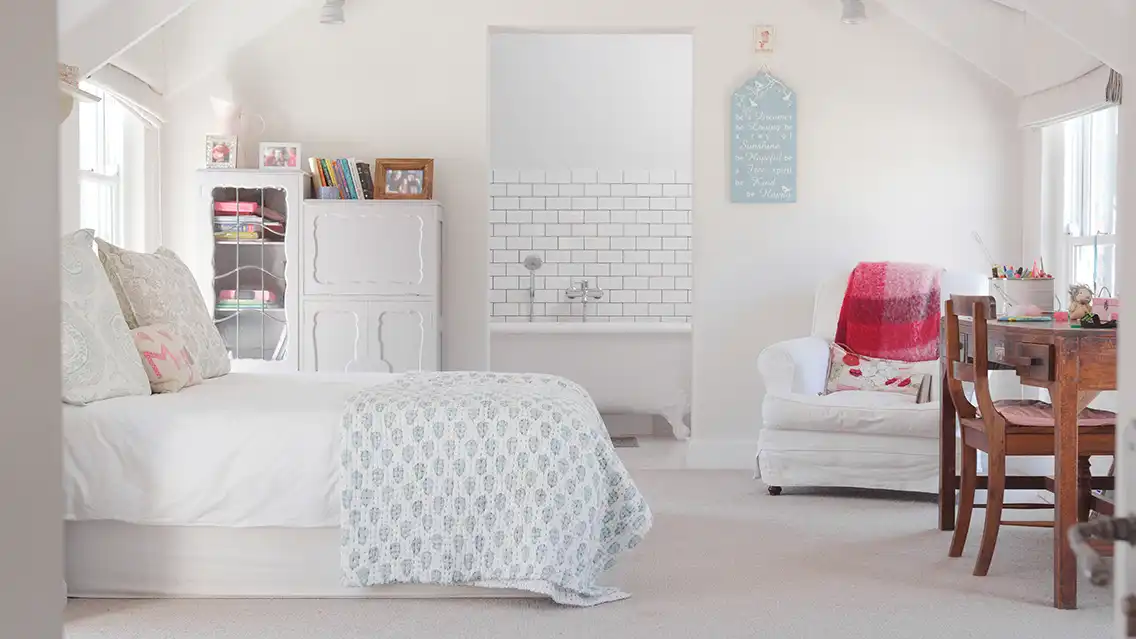
When designing a child’s room, parents often get carried away with themes. However, safety is paramount.
Furniture Stability
In a country prone to mild tremors, and with active children climbing everything, furniture stability is vital. Anchor heavy wardrobes and dressers to the wall to prevent tipping.
Soft Edges
Sharp corners on coffee tables or bed frames are hazards for toddlers and elderly alike. Choose rounded edges or use corner guards that blend with the interior decoration.
8. Why Professional Consultation Matters
Many homeowners in Bangladesh attempt DIY renovations, often overlooking critical safety standards. Accessibility involves precise measurements—door widths for wheelchairs (minimum 32 inches), slope gradients for ramps, and electrical socket heights.
An expert interior design firm Bangladesh trusts will have the technical knowledge to integrate these features invisibly. It is not just about installing a ramp; it is about designing a ramp that looks like an elegant architectural feature rather than an afterthought.
Cost Considerations
While some accessible features (like smart lifts or specialized hardware) can increase the initial budget, the long-term value is immense. Retrofitting a home later because a family member’s mobility has changed is far more expensive than planning for it now. A professional designer can help you allocate your budget effectively, prioritizing structural changes that add value and safety.
Conclusion: A Home for a Lifetime
Designing an accessible home is a rewarding endeavor. It is about future-proofing your investment and ensuring dignity and independence for your loved ones. Whether it is your parents aging gracefully or your children playing freely, an inclusive home accommodates everyone.
At DIT Studio, we believe that functionality and luxury can coexist. By incorporating universal design principles, we create living environments in Bangladesh that are welcoming, safe, and breathtakingly beautiful.
Are you ready to transform your flat into a safe, accessible haven? Transform your space with a trusted interior design company in Bangladesh that prioritizes your family’s safety and comfort. Contact DIT Studio today to schedule a consultation and start your journey toward a truly inclusive home.