
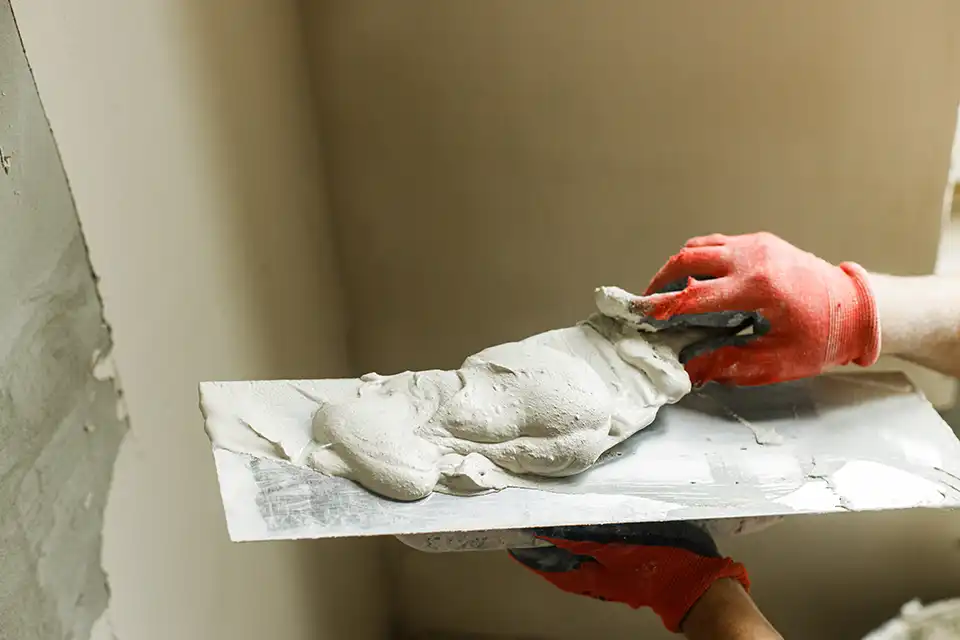
Walk into any newly handed-over flat in Bashundhara, Dhanmondi, or Gulshan, and you will likely see a similar pattern: elaborate false ceilings with recessed lighting and cove lights. For the last decade, gypsum board (often referred to simply as “gypsum” or drywall) has been the go-to material for quick renovations and aesthetic upgrades in Bangladesh. It is marketed as trendy, sleek, and budget-friendly.
However, as a leading interior design firm in Bangladesh, DIT Studio has observed a different reality once the “new renovation smell” fades. What looks pristine on day one often becomes a source of frustration by day three hundred.
While gypsum is a standard material in drier, Western climates, its application in the tropical, dust-prone, and humid environment of Bangladesh requires serious reconsideration. Is that trendy ceiling worth the long-term maintenance? If you are planning a home renovation or fitting out a new office space, you need to look beyond the initial glossy photos.
In this comprehensive guide, we will break down exactly why gypsum might not be the best choice for your Bangladeshi home, exploring the impacts of our local climate, health concerns, and structural limitations.
1. The Climate Factor: Moisture vs. Gypsum in Bangladesh
The single biggest enemy of gypsum is moisture, and unfortunately, Bangladesh is a land of high humidity. From the intense monsoons that hit Sylhet and Chittagong to the sticky summer heat of Dhaka, our air carries a significant amount of water vapor.
The Sponge Effect
Standard gypsum boards are composed of a layer of gypsum plaster sandwiched between two layers of thick paper. Gypsum is naturally porous. In a city like Dhaka, where humidity levels often soar above 80% during the monsoon season, gypsum boards act somewhat like a sponge. They absorb moisture from the air.
Over time, this absorption leads to several structural failures:
- Sagging Ceilings: The most common issue we see in older flats in Uttara and Banani is the “wavy” ceiling effect. As the board absorbs moisture, it becomes heavier and softer, causing it to sag between the metal framing studs.
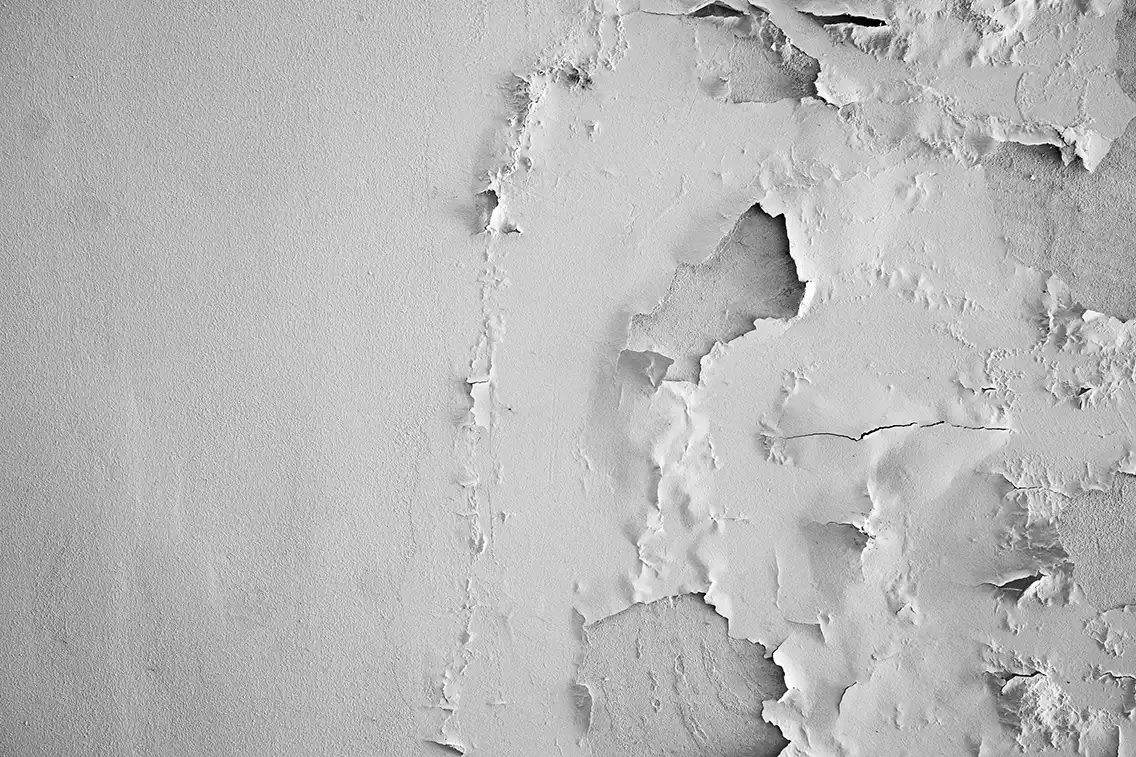
- Paint Peeling: No matter how expensive the paint you use, if the substrate (the gypsum board) is holding moisture, the paint will eventually bubble, flake, and peel off.
- Weakened Structure: Continuous cycles of absorbing moisture and drying out weaken the core integrity of the board, making it brittle over time.
The “Damp” Walls of Dhaka
Many buildings in Bangladesh, especially on lower floors, suffer from “salt damp” or rising damp in the walls. Installing gypsum wall paneling over these areas to hide the dampness is a common mistake. The gypsum will rot from the inside out, creating a breeding ground for fungi behind your walls before you even notice the damage on the surface.
2. Health and Safety: The Invisible Risks
Your home should be your sanctuary, not a source of illness. However, the materials you choose for your home interior design in Bangladesh play a massive role in indoor air quality.
The Mold and Mildew Menace
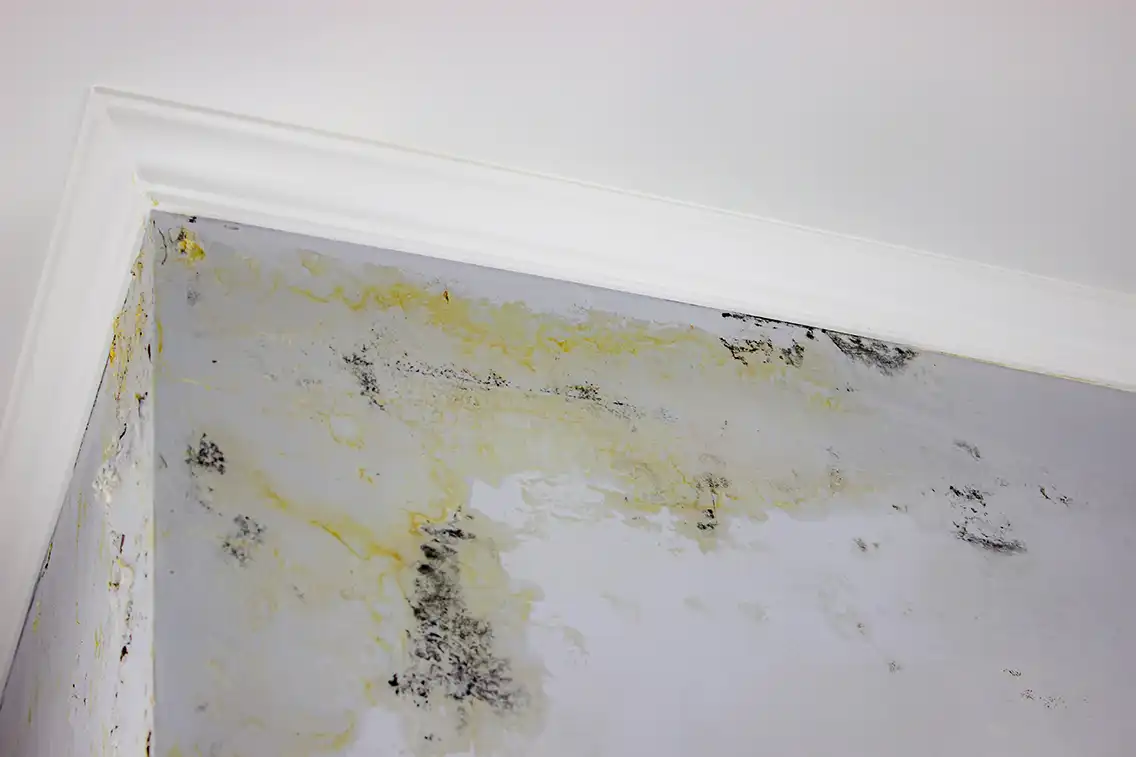
Because gypsum retains moisture, it creates the perfect ecosystem for mold and mildew growth. In our humid climate, this is a severe issue. Mold spores are microscopic and airborne. When mold grows on the hidden side of your false ceiling or inside gypsum partition walls, it circulates through your AC system.
For families with children or elderly parents—common in our multi-generational Bangladeshi households—this poses a respiratory risk. Prolonged exposure to mold spores can trigger:
- Asthma attacks
- Chronic coughing
- Eye and throat irritation
- Severe allergies
The Dust Factor
Dhaka is one of the dustiest cities in the world. When gypsum boards are installed, cut, and sanded to create those smooth joints, they release fine gypsum dust (particulate matter). Even with post-construction cleaning, this fine dust settles into the pores of the room and creates a long-term dust issue. If you have family members with dust allergies, a gypsum-heavy interior can make daily life uncomfortable.
3. Durability Issues in High-Traffic Homes
Bangladeshi homes are vibrant and lively. We host large dinner parties, we have extended family visiting, and our homes are high-traffic zones. We need materials that are robust and forgiving. Gypsum, unfortunately, is delicate.
Vulnerability to Impact
Gypsum is comparatively soft. In a compact Dhaka flat, where space is at a premium, walls often take bumps from furniture moving, children playing, or just daily wear and tear.
- Dents and Punctures: A doorknob hitting a gypsum wall, or a chair backed into a partition, can easily puncture the surface. Unlike brick or cement board, gypsum cannot withstand impact.
- Corner Damage: The corners of gypsum walls are notoriously fragile. Even with corner beads, they often chip over time, making the interior look worn out and “cheap” within a few years.
The Challenge of Repairs
You might think, “I can just patch it up.” While technically true, repairing gypsum to match the original finish is difficult.
- Texture Mismatch: It is hard to blend a patch with the surrounding area perfectly.
- Paint Variations: You often have to repaint the entire wall to avoid seeing the patch, leading to increased maintenance costs.
- Recurring Cracks: In high-rise buildings in Dhaka, there is always slight structural movement or vibration (from traffic or construction nearby). Gypsum joints are prone to hairline cracks due to this movement.
4. Load Bearing Limitations
One of the biggest constraints of gypsum is its inability to support heavy loads. This limits your design freedom significantly.
- Heavy Decor: If you want to hang a grand chandelier in your living room or a heavy antique mirror, a standard gypsum ceiling or wall cannot support it directly. You need to plan ahead and install additional wood or metal blocking behind the board. If you change your mind later, you are out of luck.
- Shelving and Cabinetry: You cannot simply drill a screw into gypsum to hang a bookshelf. It will rip out. For kitchens and storage-heavy areas, gypsum wall partitions are highly impractical unless reinforced with a costly internal structure.
5. Acoustic Problems: Privacy and Noise Control
Privacy is a luxury, especially in bustling urban areas like Mohakhali or Farmgate. Sound insulation is a key component of a premium interior.
The “Paper Thin” Wall Effect
Gypsum boards have low mass. In the world of acoustics, mass blocks sound. A standard gypsum partition allows sound to travel through it easily.
- Room-to-Room Noise: If you use gypsum to partition a room, you will likely hear the TV from the living room inside the bedroom.
- External Noise: For top-floor flats, a gypsum false ceiling offers very little insulation against the noise of rain heavily pounding on the roof or overhead water tank motors.
Echo and Reverberation
Gypsum surfaces are hard and reflective. In a room with gypsum walls and ceilings and tiled floors (standard in Bangladesh), sound bounces around, creating echoes. This makes conversations difficult and reduces the audio quality of your home theater or music system.
6. Fire Safety Concerns
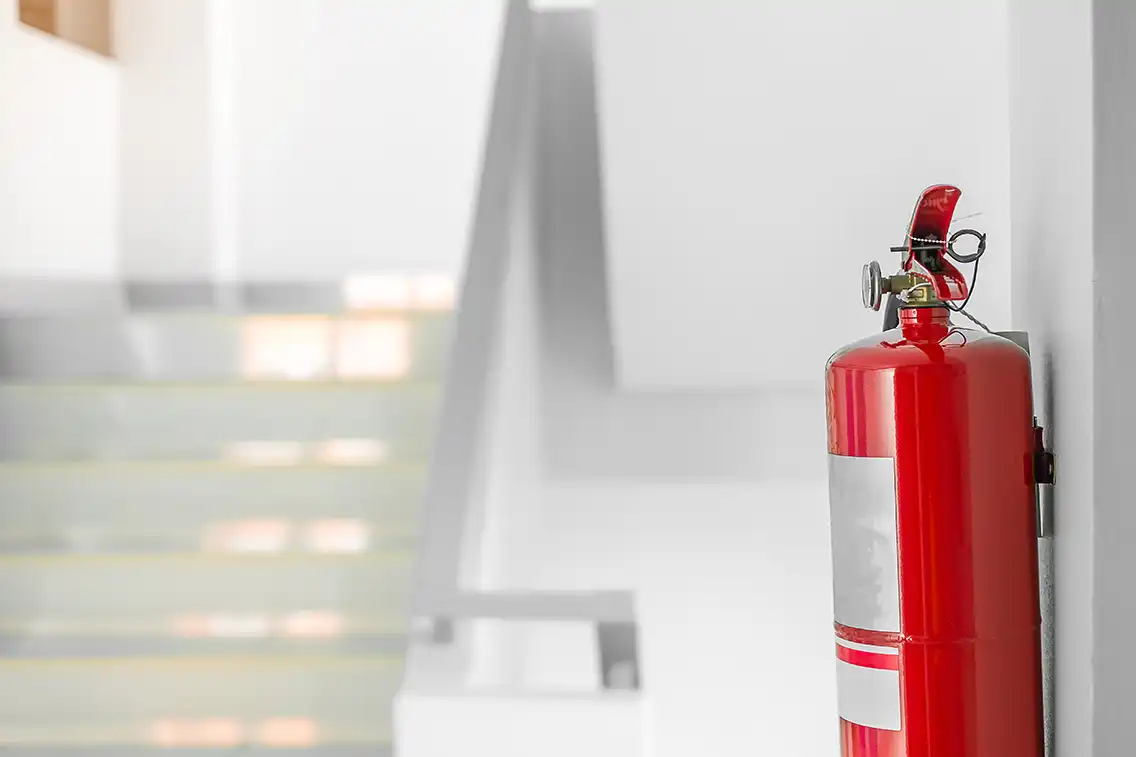
While gypsum is often marketed as “fire-resistant” because the gypsum core contains chemically combined water (which releases as steam when heated), it is not fireproof.
In the context of Dhaka’s building density, fire safety is paramount. Standard gypsum boards will eventually crumble under sustained fire. Compared to brick walls or cement boards, gypsum offers a lower threshold of protection. For commercial kitchens or areas with high electrical density, relying solely on standard gypsum is a risk we advise against.
7. The Illusion of “Budget-Friendly”
This is the most common trap for homeowners. Gypsum is cheap to buy and quick to install. However, the Total Cost of Ownership tells a different story.
- Initial vs. Recurring Cost: While the installation bill might be low, the cost of repairing dents, repainting due to moisture damage, and treating mold adds up.
- Renovation Waste: If you decide to renovate later, gypsum cannot be reused. It must be demolished and thrown away, adding to the environmental waste.
- Replacement Cycle: A brick wall lasts a lifetime. A high-quality wooden panel ceiling lasts decades. A gypsum ceiling in a humid ground-floor flat might need replacing in 5-7 years.

8. Environmental Impact
As we move towards more sustainable living in Bangladesh, we must look at the lifecycle of our materials.
- Non-Biodegradable: Gypsum board waste in landfills produces hydrogen sulfide gas, which is toxic.
- Carbon Footprint: The manufacturing process is energy-intensive.
- Not Eco-Friendly: Unlike sustainable timber or locally sourced clay bricks, gypsum boards are industrial products that do not align well with green building philosophies.
Better Alternatives for Bangladesh
If not gypsum, then what? As an experienced interior design firm in Bangladesh, DIT Studio recommends several alternatives that suit our climate and culture better:
- PVC Ceiling Panels: Highly moisture-resistant and durable. Great for bathrooms and balconies.
- WPC (Wood Plastic Composite): Offers the look of wood but is waterproof and termite-proof. Excellent for wall paneling.
- Cement Board: Much stronger and more moisture-resistant than gypsum. Good for areas needing tile backing.
- Marine Plywood/Veneer: For a luxurious, warm look that lasts decades (when properly treated).
- Exposed Concrete (Industrial Look): A growing trend in modern Dhaka cafes and offices. It saves on ceiling material and increases ceiling height.
Conclusion: Make an Informed Choice
There is a time and place for gypsum—perhaps in a temporary commercial showroom or a dry, climate-controlled server room. But for your dream home in Bangladesh, where humidity, dust, and high traffic are daily realities, it is often a compromise on quality.
Your home is a significant investment. Don’t let a “trendy” material compromise the longevity and health of your living space. Choose materials that respect the local climate and your lifestyle.
If you are looking for a trusted interior design company in Bangladesh to guide you through material selection and create a space that is both beautiful and durable, we are here to help. Ready to build a home that lasts? Contact DIT Studio today for a consultation on sustainable, climate-appropriate interior design.