
Time and trends wait for no one. In the bustling cityscape of Dhaka and beyond, the definition of a “beautiful home” is constantly evolving. From the high-rise apartments of Gulshan to the cozy family homes in Uttara and the traditional layouts in Old Dhaka, interior design is no longer just about decoration—it is about creating a sanctuary that withstands the chaos of urban life while reflecting your unique identity.
As we look toward 2026, the shift in interior design Bangladesh is palpable. Residential and commercial spaces are moving away from purely aesthetic choices to designs that solve real-world problems: humidity control, space optimization in compact flats, and energy efficiency. Trend forecasters suggest that you don’t need to overhaul your entire home with every passing season. However, integrating thoughtful updates can rejuvenate your living experience.
At DIT Studio, we believe in blending global innovation with local sensibilities. Here are the top interior design trends for 2026 that are set to transform homes across Bangladesh, making them functional, stylish, and deeply personal.
1. Maximalism with a Bengali Twist
For years, minimalism has been the safe choice for many homeowners in Bangladesh. However, Maximalism is making a roaring comeback, offering a stark contrast to the “less is more” philosophy. But in the context of Bangladesh, this doesn’t mean clutter; it means character.
Celebrating Culture and Color
Maximalism allows you to embrace bold colors, intricate patterns, and rich textures. It is a celebration of individuality. In a Bangladeshi home, this might look like a fusion of vibrant distinct textures—perhaps a feature wall displaying traditional Nakshi Kantha art or terracotta accents paired with modern velvet furniture.
Is Maximalism Possible in Small Flats?
A common misconception is that maximalism requires a sprawling mansion in Baridhara. Absolutely not. You can integrate maximalism into smaller apartments in areas like Mirpur or Mohammadpur with thoughtful planning. The key is curated chaos.
- Vertical Drama: Use floor-to-ceiling bookshelves or bold wallpapers to draw the eye upward.
- Statement Pieces: Instead of many small items, choose one large, colorful rug or an ornate chandelier that anchors the room.
- Smart Storage: To keep the “maximalist” look from becoming “messy,” hidden storage is essential. This trend adds personality to every corner without compromising the practicality required for daily life.
2. Minimalism: The Savior for Urban Living
despite the rise of maximalism, Minimalism will never truly go out of style, especially in a densely populated city like Dhaka. For many, the chaotic traffic and noise outside create a desperate need for visual silence inside.
Functional Minimalism
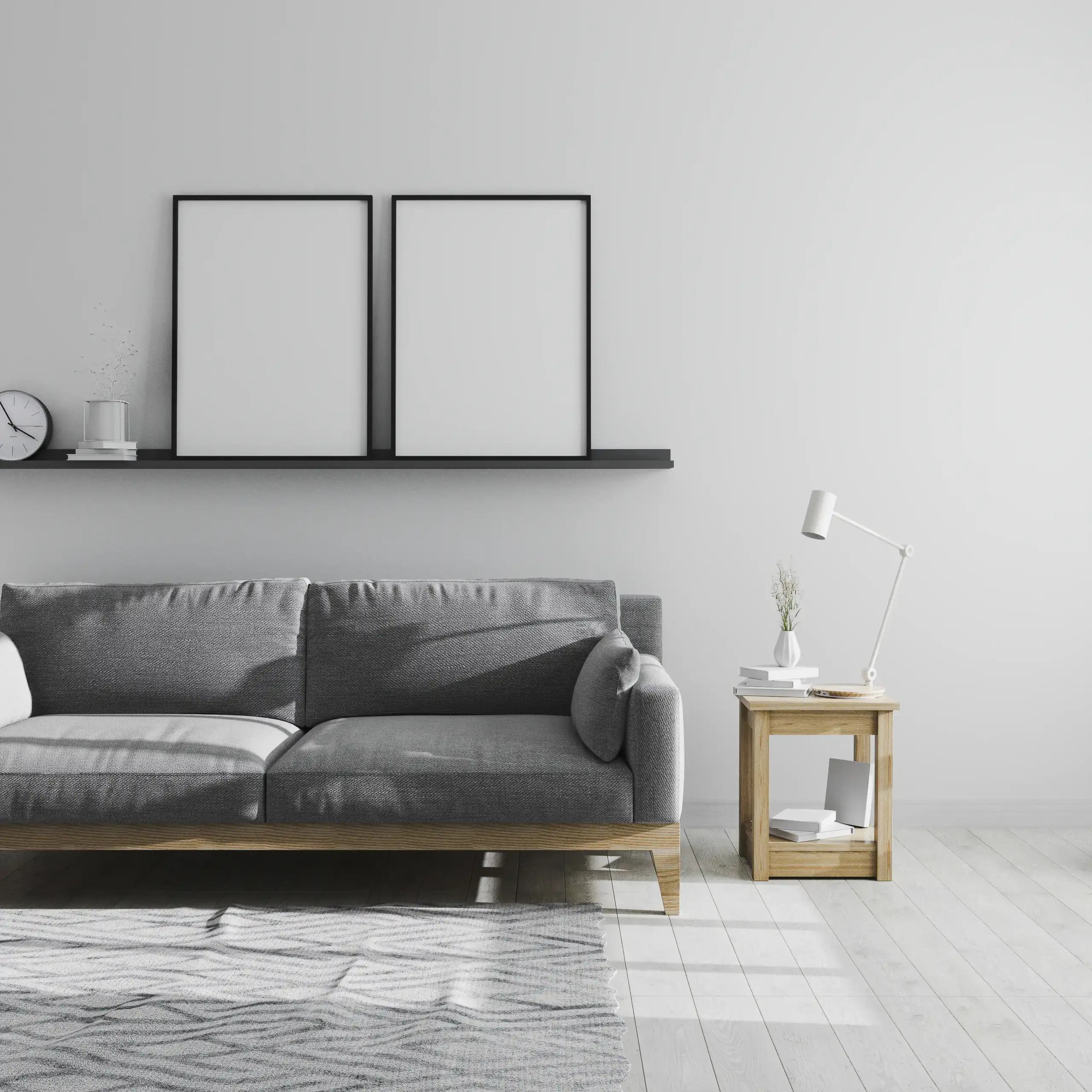
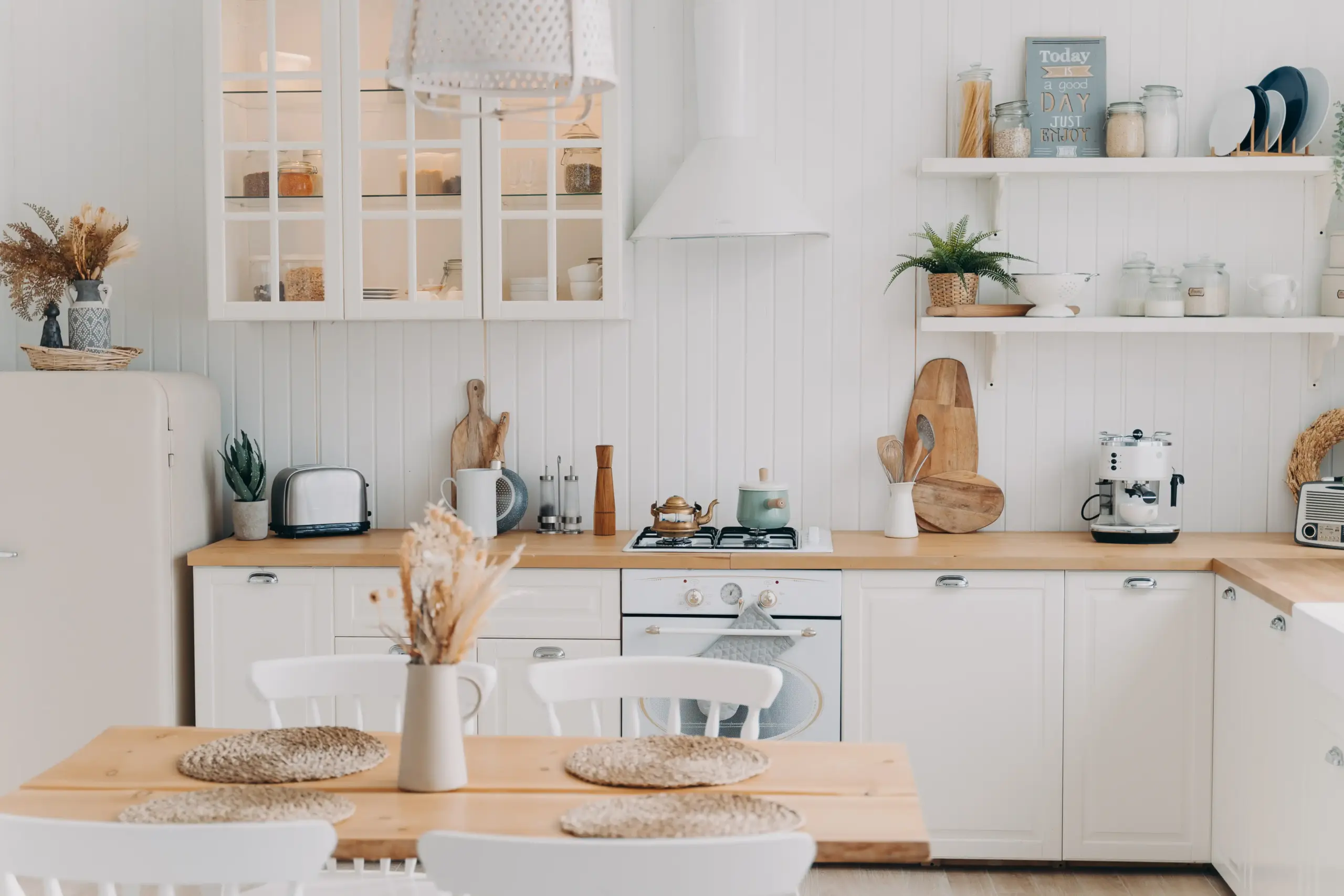
In 2026, minimalism is evolving from “stark and cold” to “warm and functional.” It is about clean lines, neutral color palettes (whites, creams, and soft greys), and clutter-free surfaces. This style makes maintaining a home a breeze—a crucial factor for busy professionals.
- Airflow and Light: Minimalist designs favor open floor plans which are vital for combating the humid Bangladeshi climate, allowing for better cross-ventilation.
- Ease of Maintenance: With the dust levels in urban areas, having fewer intricate moldings and decorative items makes cleaning significantly easier.
3. Multifunctionality and Space Planning
As property prices rise and square footage becomes a premium commodity in Dhaka and Chittagong, space planning has become the backbone of home interior design Bangladesh. The era of the “single-purpose room” is fading.
The Rise of the Hybrid Room
Modern lifestyles demand multitasking. A living room is no longer just for guests; it’s a workspace, a play area for children, and a relaxation zone.
- Furniture that Transforms: We are seeing a surge in demand for multipurpose furniture. A sleek sofa in the living room that converts into a guest bed is essential for families who host relatives from outside the city.
- The WFH Integration: With remote work continuing to be relevant, a bedroom corner often doubles as a home office. Wall-mounted fold-out desks are excellent for compact flats in Dhanmondi, providing a workspace that disappears when work is done.
- Dining and Storage: Coffee tables with hidden compartments or dining tables that can be expanded for large family gatherings are becoming standard requirements.
4. Biophilic Design: Bringing Nature Indoors
In the concrete jungle of Dhaka, connecting with nature is not just a luxury; it is a necessity for mental well-being. Biophilic design is entering the top trends list for 2026 as a direct response to urbanization.
Combating Pollution and Stress
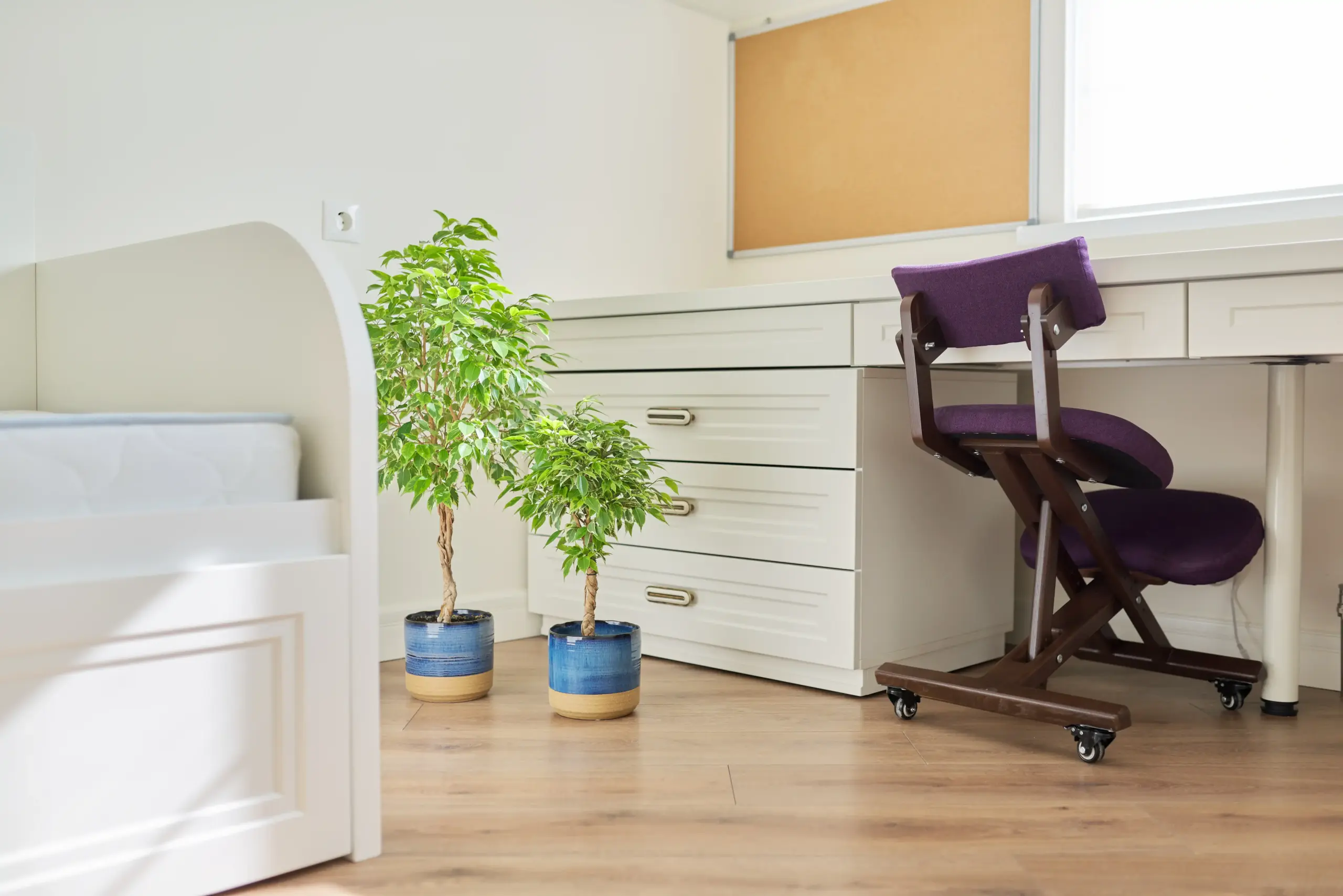
Biophilic design aims to mimic the natural environment indoors. This trend is particularly effective in reducing stress and improving air quality—a major concern in our cities.
- Indoor Gardens: It’s not just about a potted plant in the corner. We are designing vertical gardens on balconies and incorporating large, leafy plants like Snake Plants and Areca Palms that thrive in our climate and purify the air.
- Natural Elements: Maximizing natural light through large windows is a key feature. For apartments with limited window access, we use mirrors strategically to bounce light around the room.
- Water Features: The sound of water is deeply soothing. Small indoor fountains or aquariums are becoming popular in foyer designs to create an immediate sense of calm upon entering the home.
5. The Harmony of Vintage and Modern Charm
There is a growing appreciation for heritage in architectural design across Bangladesh. The trend for 2026 is the “Transitional Style”—a blend of vintage charm and modern sleekness.
Deshi Contemporary
This trend allows homeowners to preserve their history while enjoying modern comforts.
- Heirloom Furniture: Many Bangladeshi families possess high-quality teak (Segun) furniture passed down through generations. Instead of discarding these, we refinish them to fit into a modern aesthetic.
- Modern Context: Imagine a vintage wooden armchair upholstered in contemporary fabric, placed next to a sleek, modern floor lamp. This mix creates a space that feels curated and timeless rather than like a showroom.
6. Smart Home Integration
Technology is revolutionizing how we interact with our homes. In 2026, smart home integration will move beyond luxury to become a standard for convenience and security.
Tech for Security and Efficiency
- Automated Lighting: Lights that adjust tone based on the time of day can help regulate sleep cycles. Motion-sensor lights in bathrooms and hallways are excellent for energy saving.
- Security Focus: Safety is a priority in Dhaka. Integrated systems involving video doorbells, smart locks (fingerprint or passcode), and CCTV accessible via smartphone are becoming integral parts of interior decoration plans.
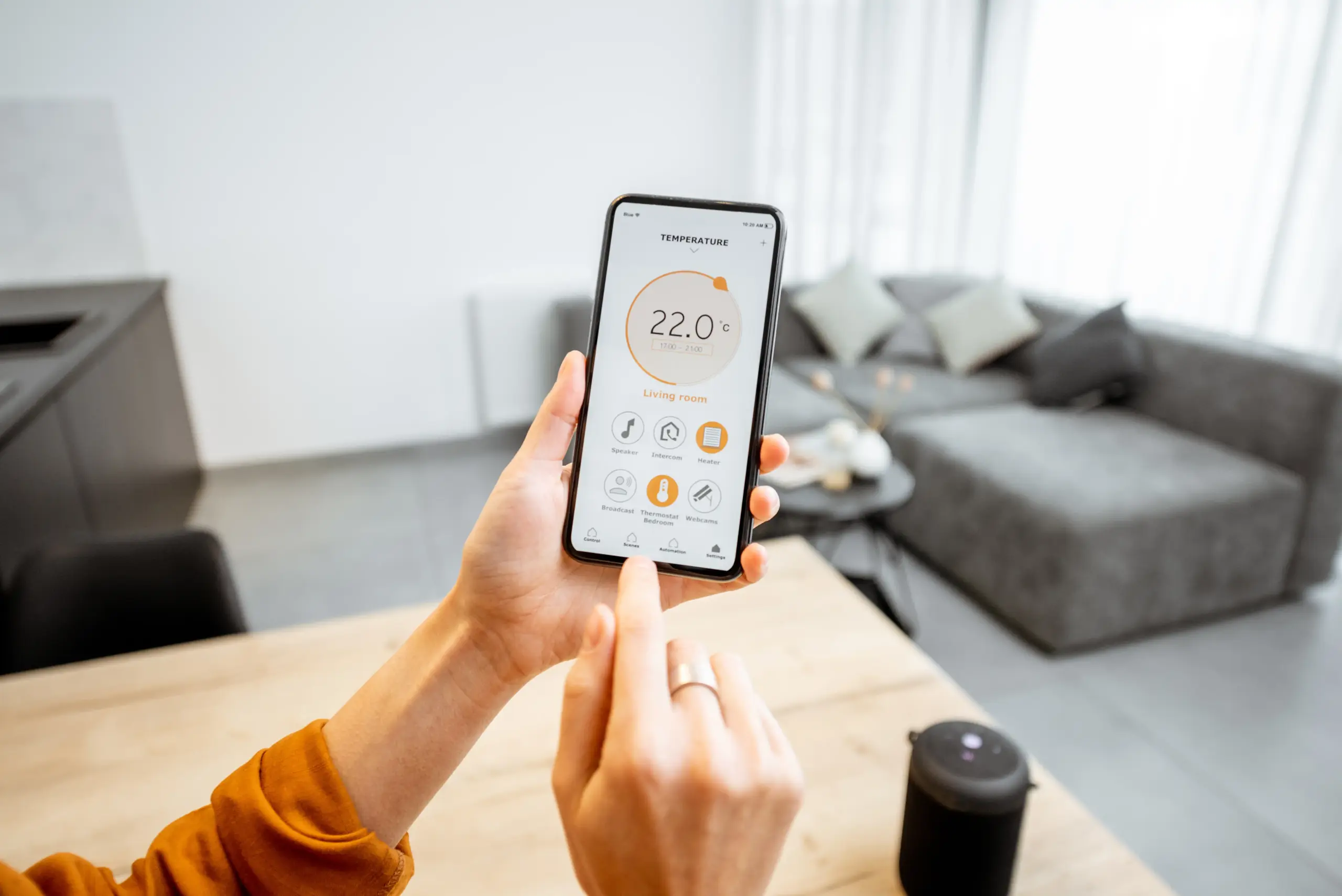
- Climate Control: Smart thermostats or AC controllers that can be operated remotely ensure you come home to a cool environment without wasting electricity all day—crucial for managing electricity bills during summer.
7. Sustainability: Eco-Friendly Bangladeshi Homes
Sustainability is no longer a buzzword; it is an obligation to the future. Sustainable interior design focuses on reducing the carbon footprint and creating healthy living environments.
Local Materials and Energy Efficiency
- Material Choice: We are seeing a shift back to local, biodegradable materials. Jute rugs, cane (Rattan) furniture, and terracotta tiles are not only eco-friendly but also support local artisans. These materials breathe better than synthetics, reducing humidity buildup.
- Non-Toxic Finishes: Using low-VOC (Volatile Organic Compounds) paints and adhesives improves indoor air quality, reducing health risks for children and the elderly.
- Energy Conservation: Design layouts now prioritize reducing the load on artificial cooling and lighting. Proper placement of windows and use of thermal insulating materials can significantly lower electricity consumption.
Common Interior Design Challenges in Bangladesh
Designing in Bangladesh comes with a unique set of challenges that require expert navigation.
The Humidity Factor
Bangladesh’s monsoon season brings intense humidity. This can lead to damp walls (saltpeter effect) and fungal growth on furniture.
- Solution: Professional interior designers in Bangladesh know to use humidity-resistant plywood (BWP grade) for kitchen cabinets and wardrobes. Wall treatments must include proper damp-proofing sealers before painting.
Lighting in Dense Neighborhoods
Many apartments in dense areas like Kathalbagan or Kalabagan suffer from lack of natural light due to adjacent buildings.
- Solution: A layered lighting approach is essential. Combining ambient lighting (general), task lighting (for reading/cooking), and accent lighting (for aesthetics) ensures the home feels bright and welcoming regardless of the window situation.
Dust and Pollution
Dust is a constant battle in our urban centers.
- Solution: We recommend closed cabinetry over open shelving for kitchens and wardrobes to minimize dust accumulation. selecting flooring materials like high-quality tiles or treated wood that are easy to mop and maintain is critical.
Why Professional Consultation Matters
While DIY projects can be fun, the complexities of space planning, material selection for the local climate, and structural integrity require professional insight. A trusted partner ensures that your renovation budget is spent on high-quality materials that last, rather than quick fixes that deteriorate after one monsoon.
Whether you are looking to renovate a heritage home in Sylhet or design a modern penthouse in Banani, DIT Studio offers a trusted interior design company in Bangladesh that understands the nuance of local needs. We handle everything from 3D visualization to turnkey execution, ensuring your space is future-proof.
Conclusion
The interior design trends for 2026 focus on creating environments that are resilient, restorative, and reflective of the people who live in them. By embracing multifunctionality, sustainability, and a blend of modern and traditional aesthetics, you can craft a home that enhances your quality of life.
At DIT Studio, we are ready to help you navigate these trends. Let’s create a space that tells your story.