

Summer in Bangladesh is not merely a season; it is a test of endurance. From the bustling streets of Farmgate to the quiet lanes of Baridhara, when the mercury climbs above 35 degrees Celsius and the humidity kicks in, the heat becomes palpable. For residents in Dhaka, specifically those living on the top floors of high-rise buildings, the “urban heat island” effect can make one’s own sanctuary feel like a furnace. While air conditioning provides relief, the frequent power outages (load-shedding) and rising electricity costs make 24/7 reliance on AC impractical.
At DIT Studio, we believe that true comfort starts with intelligent spatial planning and design. A well-designed home shouldn’t just look good; it should perform well climatically. Whether you are in a compact flat in Mohammadpur or a sprawling duplex in Gulshan, there are architectural and interior design strategies that can significantly lower your indoor temperature naturally.
Here is your comprehensive guide to keeping your home cool, sustainable, and stylish, tailored specifically for the Bangladeshi context.
1. The Science of Heat Blockage: Window Management
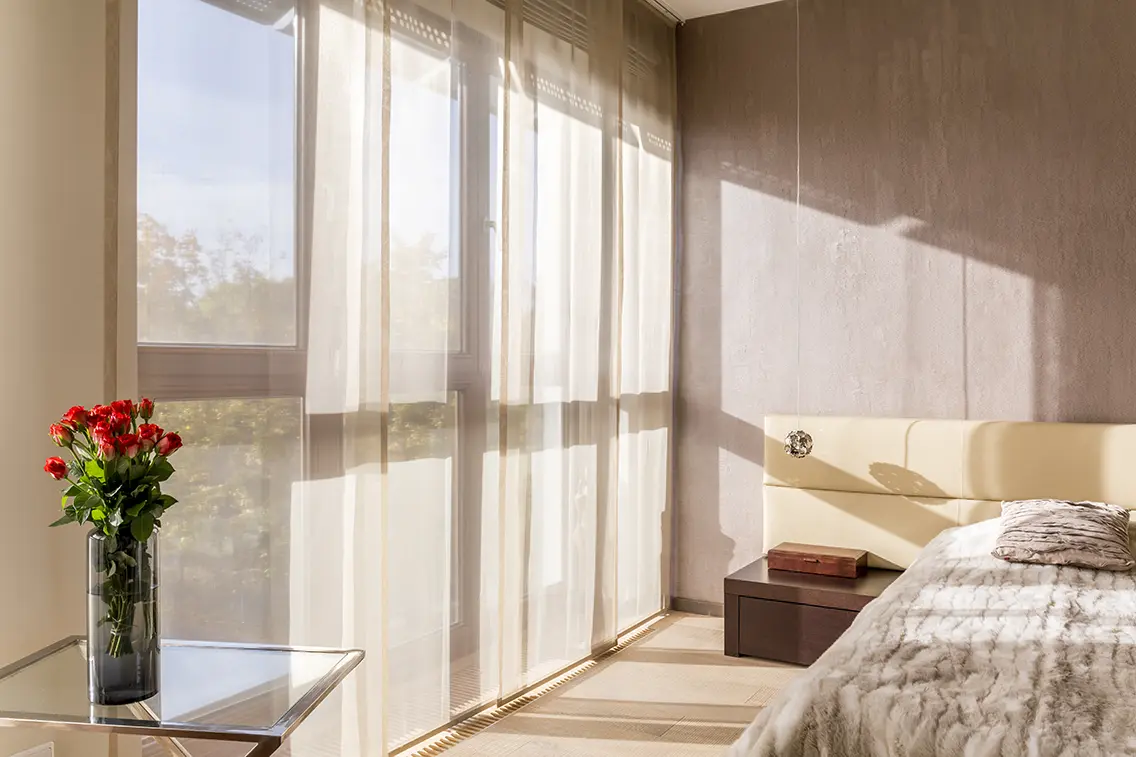
The primary source of heat gain in Bangladeshi homes is sunlight entering through glass windows. In our architectural designs, we often prioritize window placement, but for existing interiors, management is key.
The Greenhouse Effect in Flats
When sunlight passes through your windows, it heats the surfaces inside (floors, furniture). These surfaces then radiate heat, which cannot escape through the glass, trapping it inside like a greenhouse. To combat this:
- Timing is Everything: Keep windows closed and covered during the hottest parts of the day, typically from 10:00 AM to 4:00 PM. This is crucial for South and West-facing windows which receive the harshest sun.
- Layered Window Treatments: As a premier interior design firm in Bangladesh, we recommend a dual-layer approach. Use heavy, light-colored blackout curtains to reflect heat during the day, paired with sheer fabrics that allow light in without the glare when the sun is less intense.
- Solar Films: For apartments with extensive glass facades (common in modern buildings in Banani and Tejgaon), consider applying reflective heat-control window films. These can block up to 70% of solar heat while maintaining your view of the city.
2. Harnessing Airflow: Cross-Ventilation Strategies
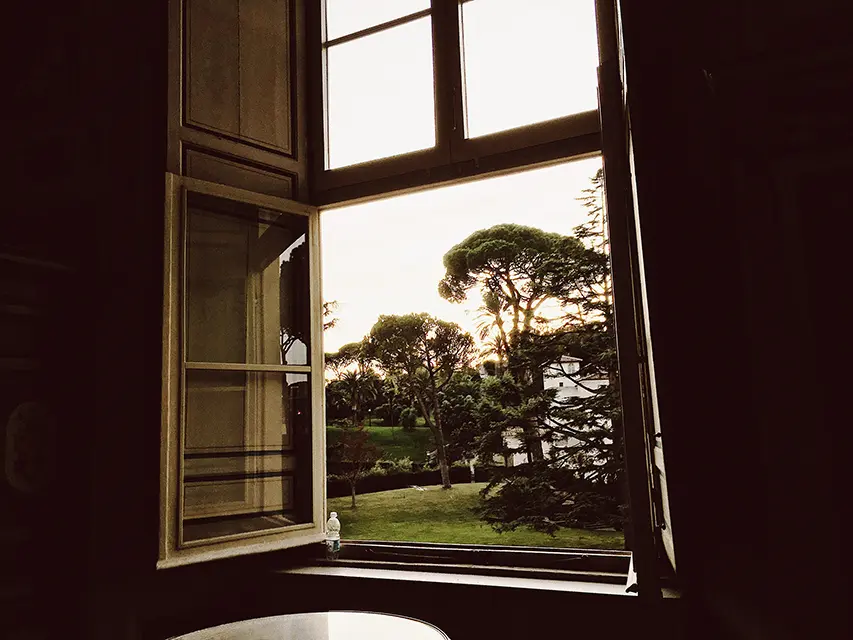
Bangladesh is blessed with a Southerly breeze, especially during the pre-monsoon and monsoon seasons. Maximizing this airflow is a core principle of architectural design in our region.
Creating Wind Tunnels
Cross-ventilation occurs when air enters through one opening and exits through another on the opposite side, carrying warm, stale air out with it.
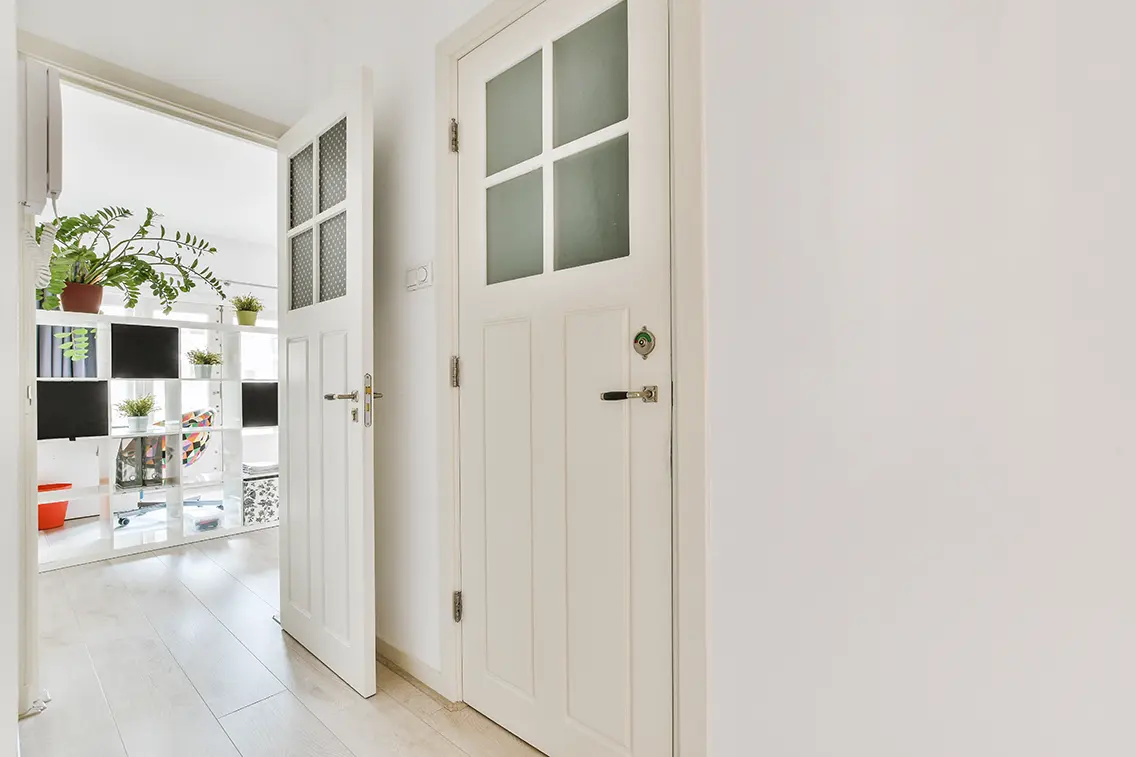
- Open the Right Doors: In the evening, open windows on opposite ends of your flat. If your apartment layout in places like Uttara or Dhanmondi allows, keep the internal doors open to create a clear path for air to move from the balcony through the living room and out the kitchen or bedroom windows.
- Declutter Air Pathways: Large furniture pieces like wardrobes or bookshelves should not obstruct windows. Ensure that the path of the wind is clear. This is a fundamental aspect of space planning that improves both thermal comfort and visual flow.
The Stack Effect
For duplex homes or multi-story residences, use the “stack effect.” Hot air rises. By opening high windows or vents (ventilators) and keeping lower windows open, you create a natural vacuum that pulls cool air in at the bottom and pushes hot air out at the top.
3. Biophilic Design: The Cooling Power of Greenery
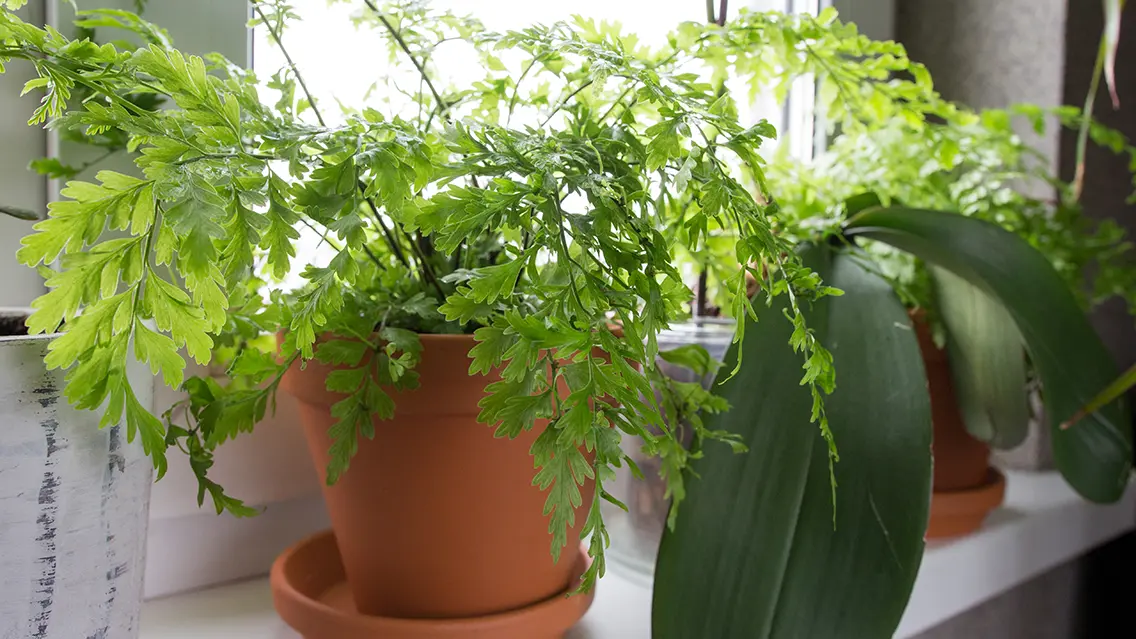
Incorporating nature into the home—known as biophilic design—is a trend that serves a functional purpose in our humid climate. Plants act as natural humidifiers and air purifiers, and they physically block heat.
Balcony Gardens as Heat Shields
In Dhaka, balconies are often the only outdoor space available. Transforming your balcony into a green buffer zone can significantly cool the adjacent rooms.
- Vertical Gardens: Install a vertical garden or a trellis with climbers like Money Plant (Devil’s Ivy) or curtain creepers on the grill. This creates a “living wall” that absorbs sunlight before it hits your exterior walls.
- Placement Strategy: Place taller, leafy plants like Areca Palms or Rubber Plants near the windows. They provide shade and release moisture through transpiration, slightly cooling the air entering the room.
Indoor Air Purifiers
Inside the rooms, use plants like Snake Plants (Sansevieria) and Aloe Vera. Unlike most plants, Snake Plants release oxygen at night, keeping the bedroom air fresh and cooler. This is a staple in modern interior concepts where aesthetics meet wellness.
4. Smart Lighting: Reducing Internal Heat Load

We often overlook how much heat our appliances and lighting generate. In a small bedroom, a few incandescent bulbs can raise the temperature noticeably.
- Switch to LEDs: If you haven’t already, replace all incandescent and CFL bulbs with LEDs. They emit a fraction of the heat and are far more energy-efficient—a crucial factor given the rising energy costs in Dhaka.
- Task Lighting: Instead of lighting up the whole room with a powerful ceiling light, use focused lamps for reading or working. This reduces the total heat output.
- Phantom Heat: Unplug electronics when not in use. Chargers, TVs, and computers generate heat even in standby mode.
5. Color Psychology and Thermal Dynamics
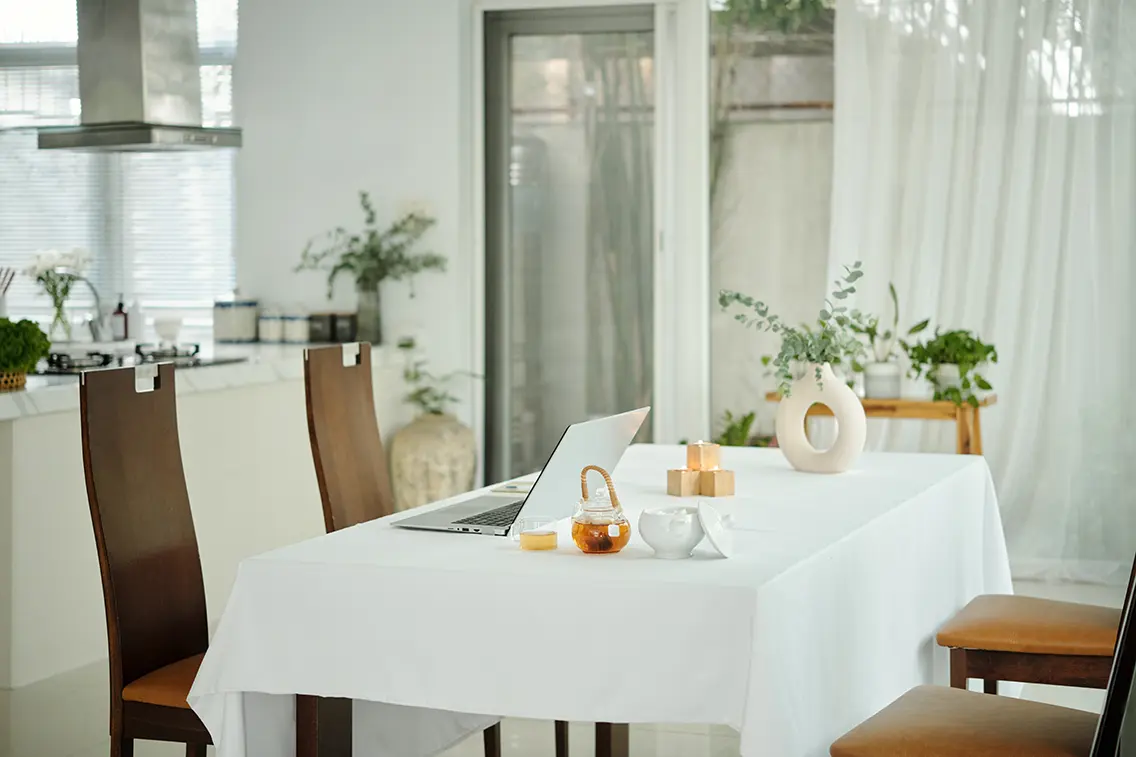
As an experienced interior designer in Bangladesh, we understand the client’s desire for vibrant colors. However, during the scorching summer, the color palette plays a massive role in thermal comfort.
The Albedo Effect
Dark colors absorb heat; light colors reflect it.
- Walls and Ceilings: Opt for whites, off-whites, creams, or pastels for your walls. White reflects the most light and heat, keeping the structural mass of the building cooler.
- Furniture Choices: If you have dark, heavy furniture, consider using light-colored slipcovers during the summer. This simple home improvement trick can change the thermal feel of a room instantly.
- Exterior Walls: If you have control over the building exterior (common for homeowners in Sylhet or Chittagong), painting the roof and exterior walls white can drastically reduce the internal temperature of the top floor.
6. Flooring and Textiles: Traditional Wisdom
Our ancestors in rural Bengal lived in mud houses with thatched roofs for a reason—breathability. While we live in concrete structures now, we can still apply these principles through material selection.
Rethinking Rugs
Heavy carpets and rugs are excellent insulators—which means they trap heat. In the context of a Bangladeshi summer, they are counter-productive.
- Go Bare: Marble, ceramic tiles, and mosaic floors (common in older Dhaka homes) are naturally cool to the touch. Walking barefoot on a cool floor helps lower body temperature.
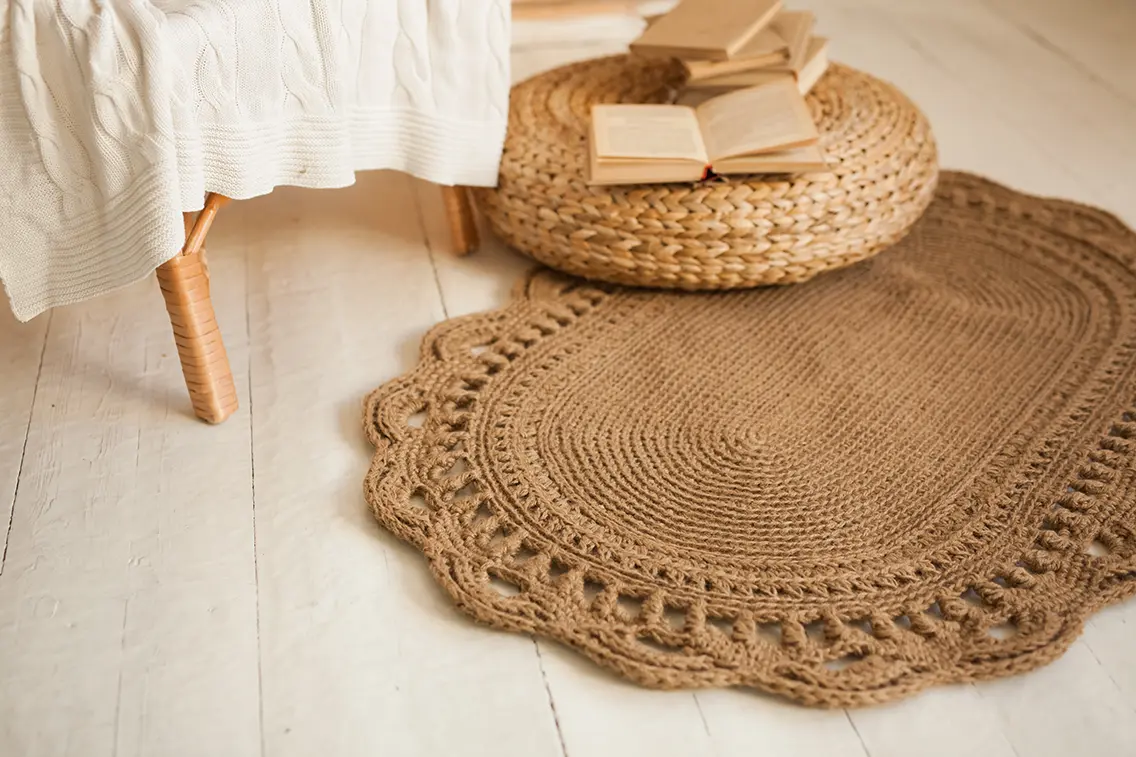
- Summer Rugs: If you need floor coverings for aesthetics, swap wool carpets for Shital Pati (cool mats), jute rugs, or bamboo mats. These are breathable, sustainable, and add a touch of traditional Bangladeshi design elements to your space.
Breathable Fabrics
For upholstery and bedding, avoid synthetics like polyester or velvet, which trap body heat and sweat.
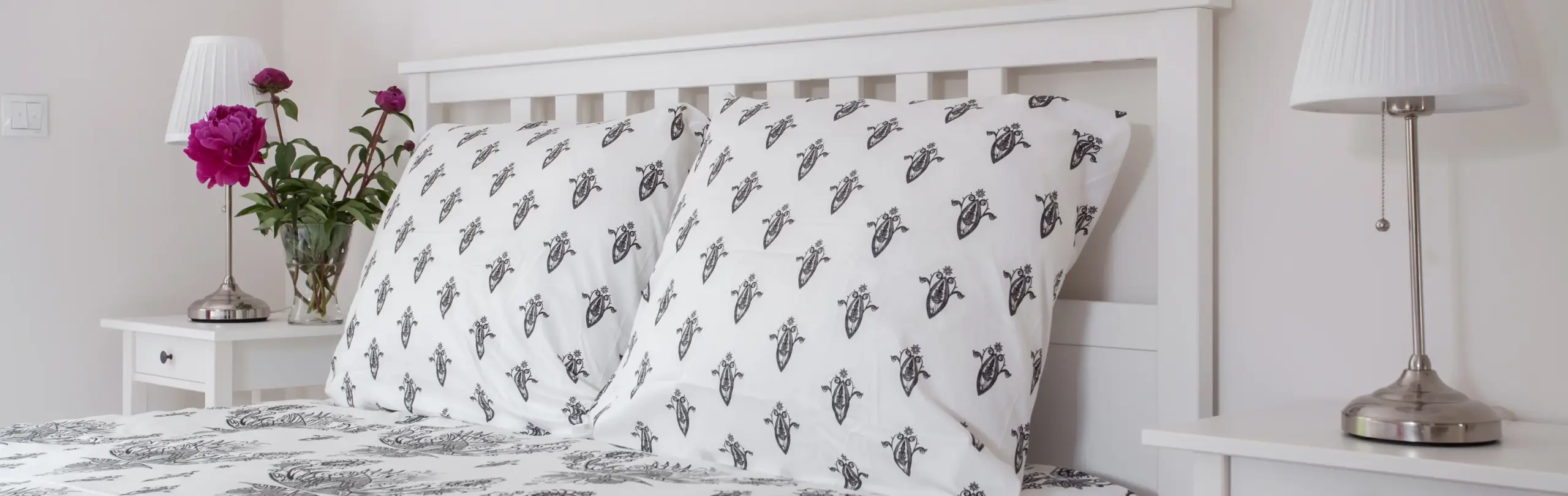
- Cotton and Linen: Switch to 100% cotton or linen bedsheets. These natural fibers wick moisture away and allow airflow.
- Light Colors: Just like your walls, your bed linens should be light-colored to maintain a visually and physically cool environment.
7. DIY Cooling Hacks for the Resourceful Homeowner

Sometimes, you need immediate relief without a full renovation. Here are some time-tested tricks used across Bangladesh:
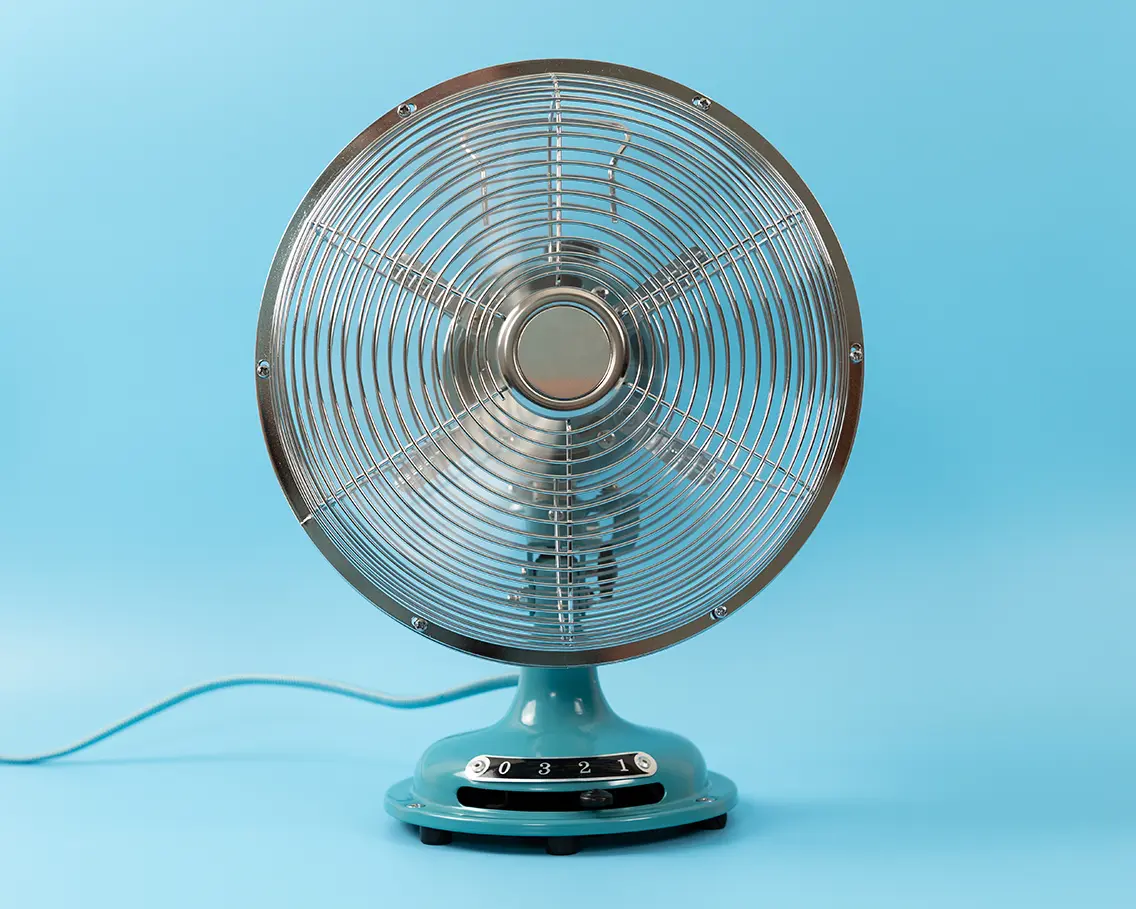
- The Ice Bowl Method: Place a shallow bowl of ice or ice-cold water in front of a table fan. As the air blows over the ice, it creates a misting effect, acting as a primitive air cooler.
- Wet Sheet Technique: Hang a damp sheet in front of an open window. The breeze passing through the wet fabric evaporates the water, cooling the air stream before it enters the room.
- Earthen Pots: Storing water in clay pots (Matir Kolshi) not only keeps the water cool naturally but the evaporation process on the pot’s surface absorbs heat from the surrounding air.
8. Professional Interior Solutions for Lasting Comfort
While DIY tips are helpful, integrating cooling strategies into the very fabric of your home requires professional expertise. This is where turnkey solutions from a design firm become invaluable.
We analyze the sun path relative to your building, the wind direction, and the thermal mass of your walls. Solutions might include:
- False Ceiling Design: Creating air gaps in false ceilings to trap heat before it radiates down.
- Layout Optimization: Moving heat-generating areas (like kitchens) away from living zones or ensuring they are downwind.
- Material Upgrades: Installing double-glazed windows or thermal insulation panels on West-facing walls.
If you are struggling to maintain a comfortable temperature in your home or office, it might be time to consult with a leading interior design firm to evaluate your space. Professional intervention can permanently resolve airflow issues that generic tips cannot fix.
9. Mistakes to Avoid in the Bangladeshi Context
- Overcrowding Furniture: “Stuffing” a room blocks airflow. Minimalist, contemporary design is not just a style; it’s a cooling strategy.
- Blocking Ventilators: In many older government quarters or flats, people seal off the high ventilators to prevent dust. This kills the stack effect and traps hot air.
- Using Silk in Summer: While luxurious, silk bedding is not breathable. Save it for the mild Dhaka winters.
Wrap Up: Sustainable Living is Cool Living
Keeping your home cool naturally is not just about comfort; it is about sustainability. By reducing reliance on air conditioning, you lower your carbon footprint and save on electricity bills. Whether you are looking for a simple bedroom refresh or a complete home renovation, applying these principles will make your space a sanctuary against the harsh summer sun.
At DIT Studio, we blend aesthetics with functionality to create homes that breathe. By combining modern design principles with local climate wisdom, we ensure your home remains a haven of cool tranquility, no matter how high the temperature rises outside.