

Ralph Caplan famously noted, “Thinking about design is hard, but not thinking about it can be disastrous.” This quote holds profound truth, especially within the context of Bangladesh’s booming real estate sector.
Constructing a house or purchasing a flat in Dhaka, Chittagong, or Sylhet is one of the most significant financial investments you will make in your lifetime. While the construction provides the shelter—the solid roof over your head—it is the interior design that transforms that concrete structure into a sanctuary. Interior design is not merely about aesthetics; it is about tailoring your environment to fit your lifestyle, your family’s needs, and your personal taste.
For new builds in areas like Bashundhara R/A, Uttara, or Gulshan, interior design has shifted from a luxury to a necessity. Space is premium, and functional living is essential. But the burning question remains: When is the perfect time to hire an interior design firm for your project?
Many homeowners in Bangladesh labor under the misconception that they should wait until the developer hands over the keys or the flat is entirely “ready” before thinking about décor. However, seasoned industry experts know that interior design should be an integral part of the construction process.
In this comprehensive guide, we will walk you through the construction stages of a Bangladeshi home and identify exactly when—and why—you should bring in a trusted interior design company in Bangladesh like DIT Studio.
The Cost of Waiting: Why “Ready Flats” Can Be a Trap
In the traditional Bangladeshi approach to home ownership, the process often looks like this: purchase a flat, wait for handover, realize the switchboards are in the wrong place, the kitchen is too small, and the lighting is insufficient. Then, the homeowner hires a designer who has to break down newly built walls to fix these issues.
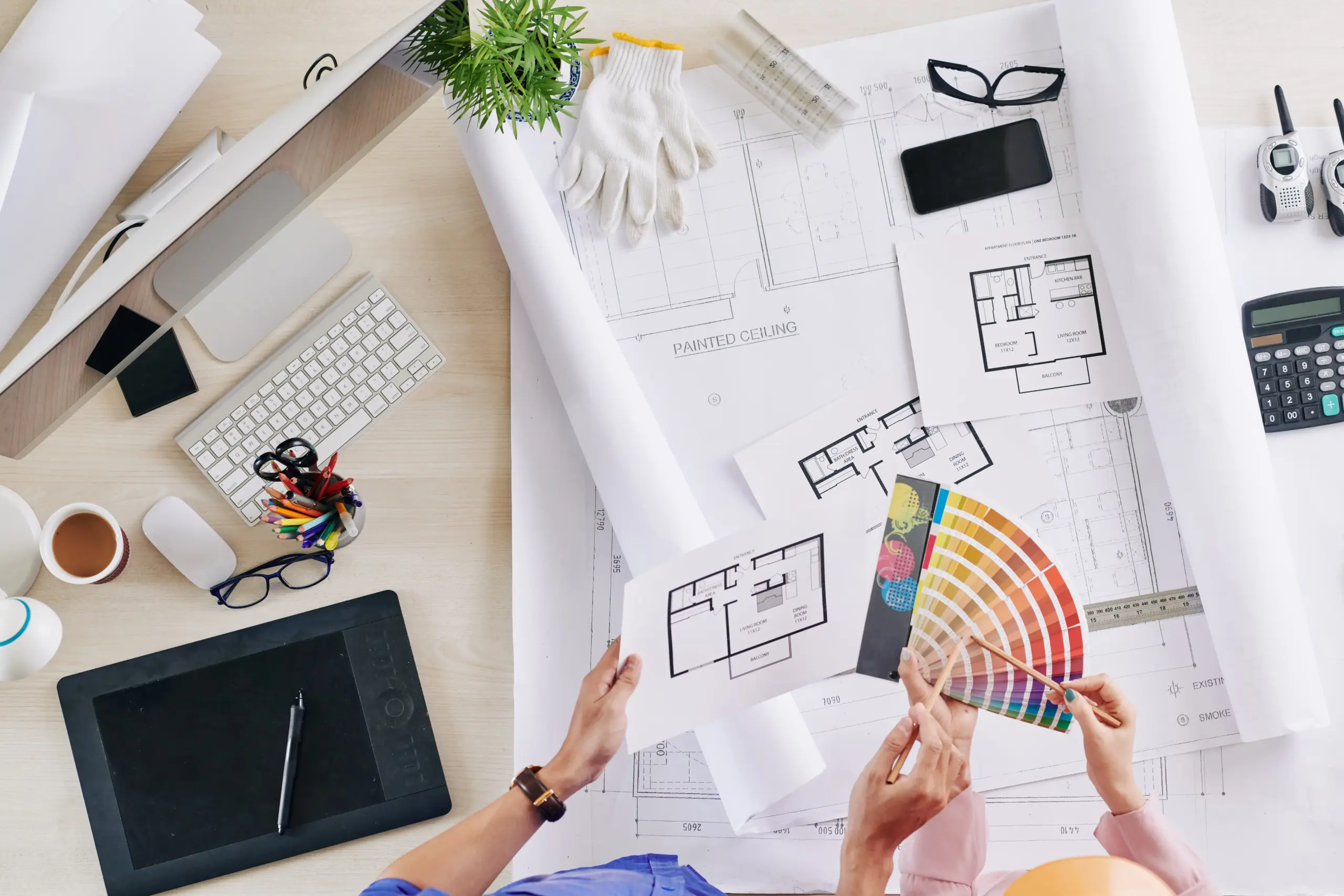
This approach is fundamentally flawed. It results in:
- Double Expenditure: Paying for the original construction and then paying again for demolition and reconstruction.
- Wasted Time: Delaying your move-in date by months.
- Structural Stress: Excessive chipping and breaking of walls can vibrate and stress the building structure.
To help you understand why early intervention is key, let’s break down the construction lifecycle of a building and pinpoint the critical moment for design intervention.
Phase 1: Planning and Conceptualization
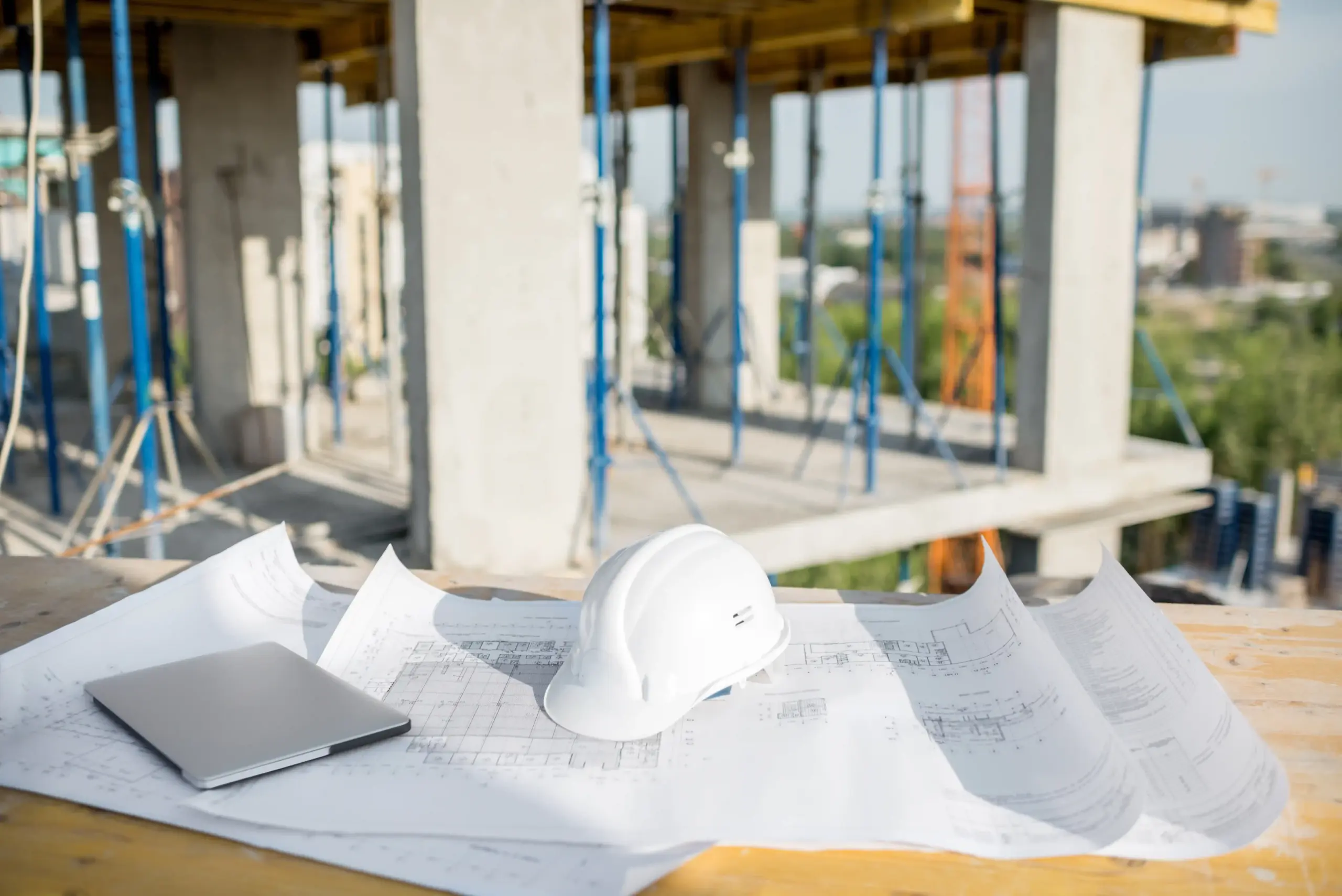
Like any major project, embarking on a new construction requires a robust plan. Whether you are constructing a multi-story building in Dhanmondi or a duplex in Purbachal, having a comprehensive building plan is the first step.
At this stage, architects focus on the building’s envelope—the exterior aesthetics, the structural integrity, and compliance with RAJUK or local municipality codes. While the focus here is macro, having an interior perspective at this stage can be beneficial. It helps you understand the flow of the building and how different zones (public vs. private) will interact.
Phase 2: The Foundation
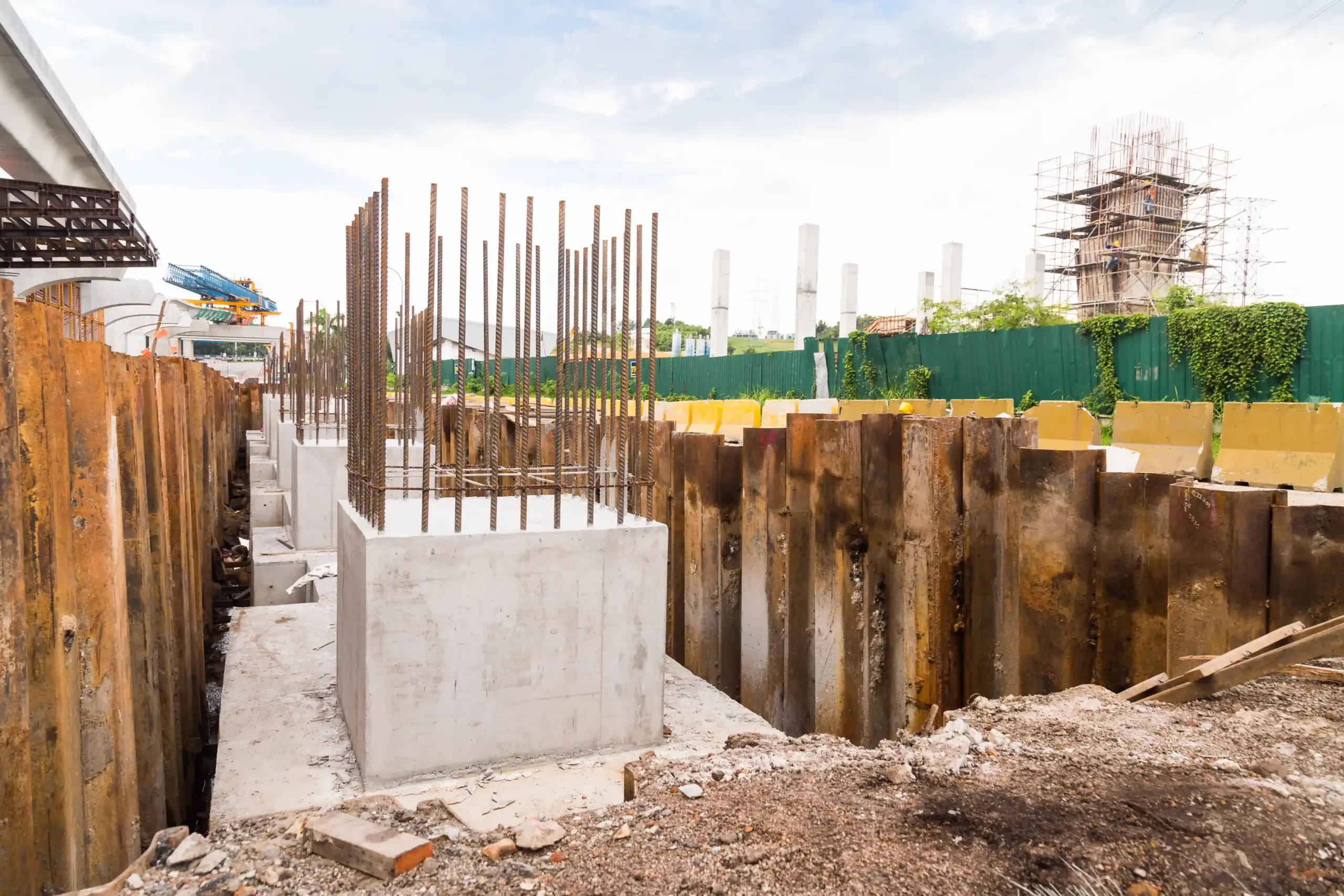
Once the plan is approved, the foundation is laid. This is the solid base that will hold your building for generations. The quality of the foundation dictates the longevity of the structure, especially given Bangladesh’s soil conditions and seismic considerations. At this stage, the focus is purely structural. However, as the building rises out of the ground, the window for effective interior design intervention begins to open.
Phase 3: Roofing – The Golden Hour for Interior Design
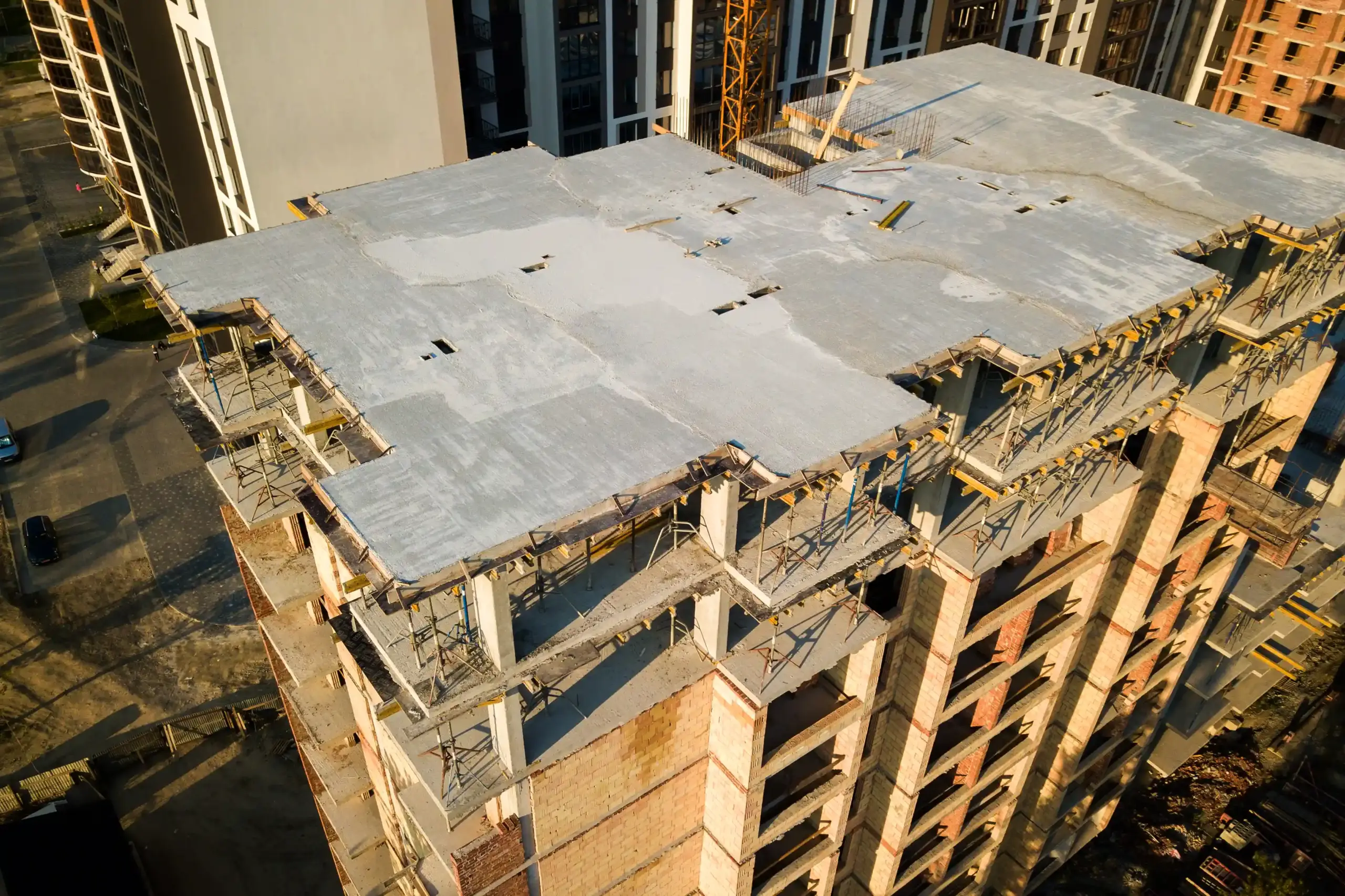
Roofing refers to the construction of the slab that forms the ceiling of your apartment. Once the roof casting is complete, you have the “shell” of your home.
This is the absolute best time to consult with an interior design firm.
Why is the roofing stage the critical turning point? Because the internal partition walls have not yet been built. By hiring DIT Studio at this stage, you gain immense advantages:
- Zero Demolition Costs: Since the walls aren’t built yet, we don’t have to break anything. If you want an open-plan kitchen or a larger master bedroom, we simply instruct the masons to build the walls according to the new interior layout, not the generic developer plan.
- Perfect Space Planning: You get the freedom to utilize every square foot. In dense urban areas like Dhaka, where apartment sizes can be compact, this flexibility is priceless.
- Integrated Systems: We can plan for concealed air conditioning piping, home automation wiring, and specialized lighting conduits before a single brick is laid.
Phase 4: Wall Foundation and Bricklaying
Bricklaying gives a visible layout to your house. The walls define the rooms, distinguishing the dining space from the drawing room, and the bedroom from the balcony.
If you wait until after the walls are ready to hire a designer, you are technically late. While it is certainly possible to start your dream interior design after the walls are up, it is rarely cost-effective.
The Hidden Mess Behind the Walls
Breaking walls isn’t just about removing bricks. In modern Bangladeshi construction, walls house complex networks of:
- Electrical Wiring: Cables for lights, fans, ACs, and heavy appliances.
- Plumbing Lines: Water supply and drainage pipes.
- Data and Utility Lines: Internet cables, intercoms, and gas lines.
If you decide to move a wall or even shift a door frame after the brickwork is done, you risk damaging these hidden systems. The rewiring process becomes messy, expensive, and can leave ugly patchwork scars on your walls. Furthermore, excessive cutting into brick walls (chasing) to move switchboards can weaken the wall’s integrity.
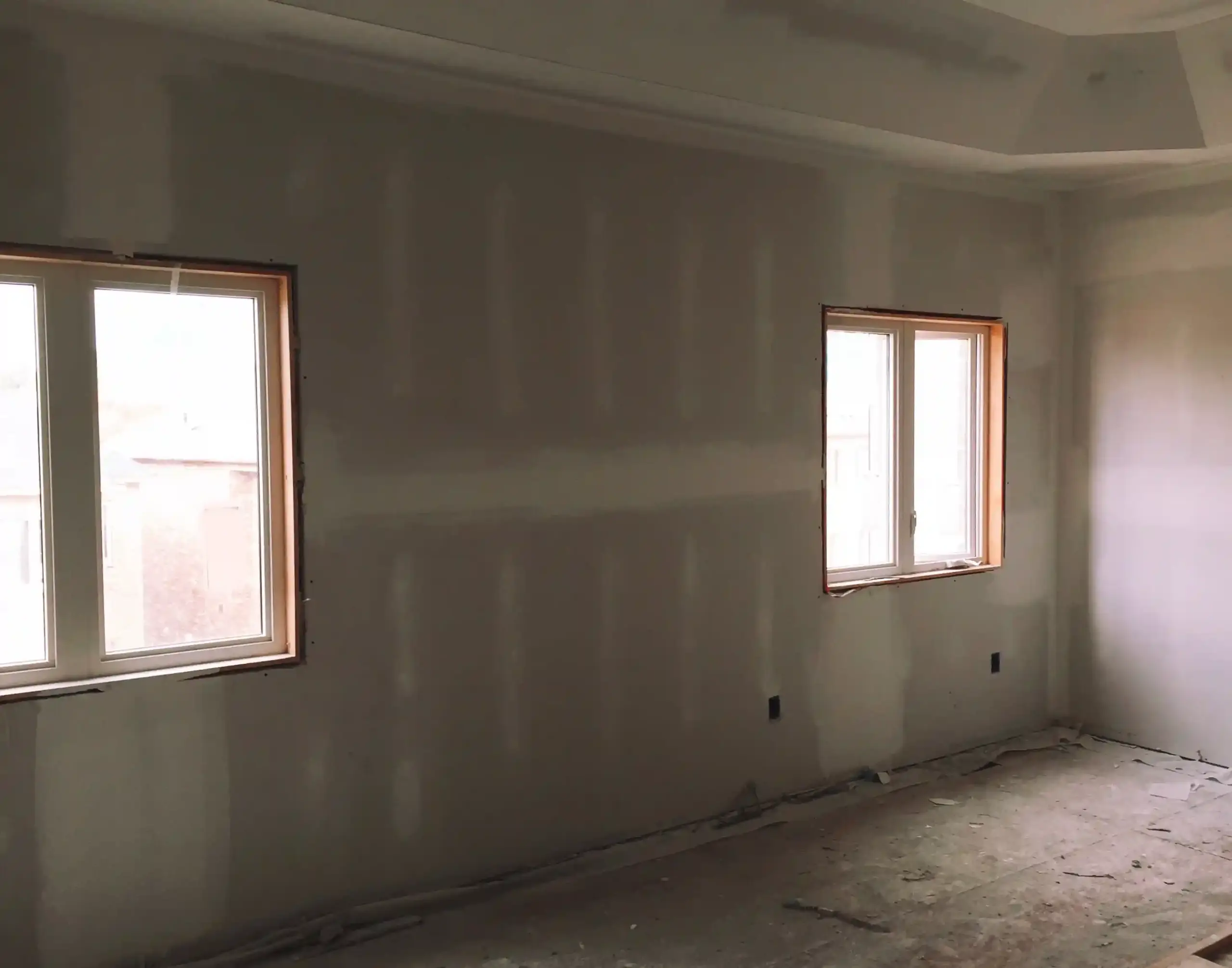
Our Recommendation: Hire an interior design firm before the internal walls are erected. It gives you the ultimate luxury—the freedom of choice—without the penalty of demolition costs.
The DIT Studio Process: Integrating Design with Construction
At DIT Studio, we have refined our workflow to integrate seamlessly with the construction phase of your home. Here is how we ensure your home is optimized for the Bangladeshi lifestyle.
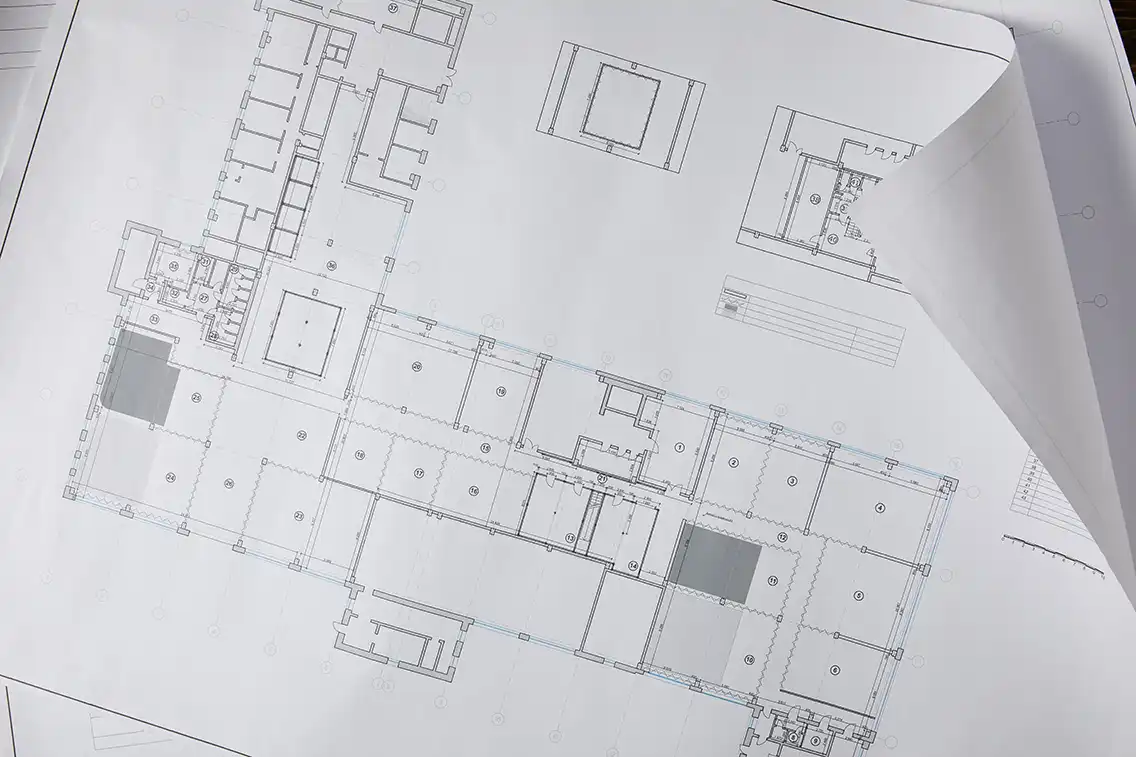
1. Architectural Layout & Space Planning
If you consult with us after the roof casting, our work begins with crafting a revised architectural layout. We don’t just look at the blueprint; we look at you. We sit with you to understand:
- Family Dynamics: Do you live in a joint family? Do you need a separate formal living room for guests to maintain privacy?
- Lifestyle: Do you need a home office? Is the kitchen the heart of your home?
- Religious Needs: Do you require a dedicated prayer space or a specific orientation for prayer mats?
Based on these details, we create a layout that creates flow. For example, in a standard 3-bedroom flat, we might realign the walls to create a larger “Drawing-Dining” space, a staple of Bangladeshi hospitality, while ensuring the bedrooms remain private sanctuaries.
2. Furniture Architectural Design
Many homeowners make the mistake of buying furniture from ready-made showrooms in Panthapath or Rokeya Sarani, only to find the pieces don’t fit their rooms or block walking paths.
We prioritize Furniture Architectural Design. This means we plan the furniture layout before the walls are built.
- Custom Fit: We design niches in the walls to flush-mount wardrobes, saving valuable floor space.
- Traffic Flow: We ensure there is ample room to walk between the sofa and the TV unit.
- Space Management: In smaller apartments, we design multi-functional furniture and hidden storage solutions that are integrated into the civil structure of the room.
3. Electrical and Plumbing Design (MEP)
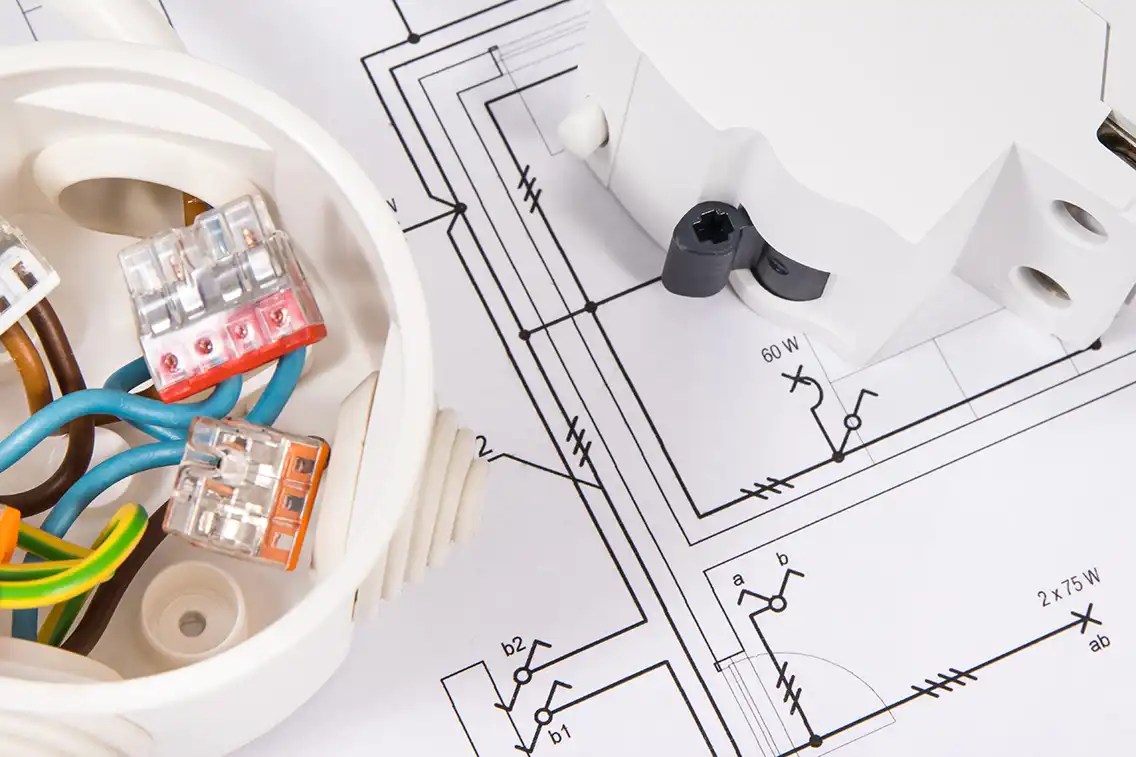
This is arguably the most technical and crucial part of early intervention. Bangladesh has specific challenges regarding power fluctuations and water quality.
- Strategic Power Points: We plan electrical layouts based on your furniture plan. You won’t end up with a switchboard hidden behind your headboard or an awkward extension cord running across the floor for your work-from-home setup.
- Modern Plumbing: We ensure wet areas (kitchens and bathrooms) are designed for both functionality and maintenance. We consider the placement of geysers, washing machines, and water filters to ensure seamless operation.
- Safety First: Designing the wiring system before wall construction allows us to use high-grade conduits and ensure proper earthing, reducing fire hazards.
4. 3D Visualization
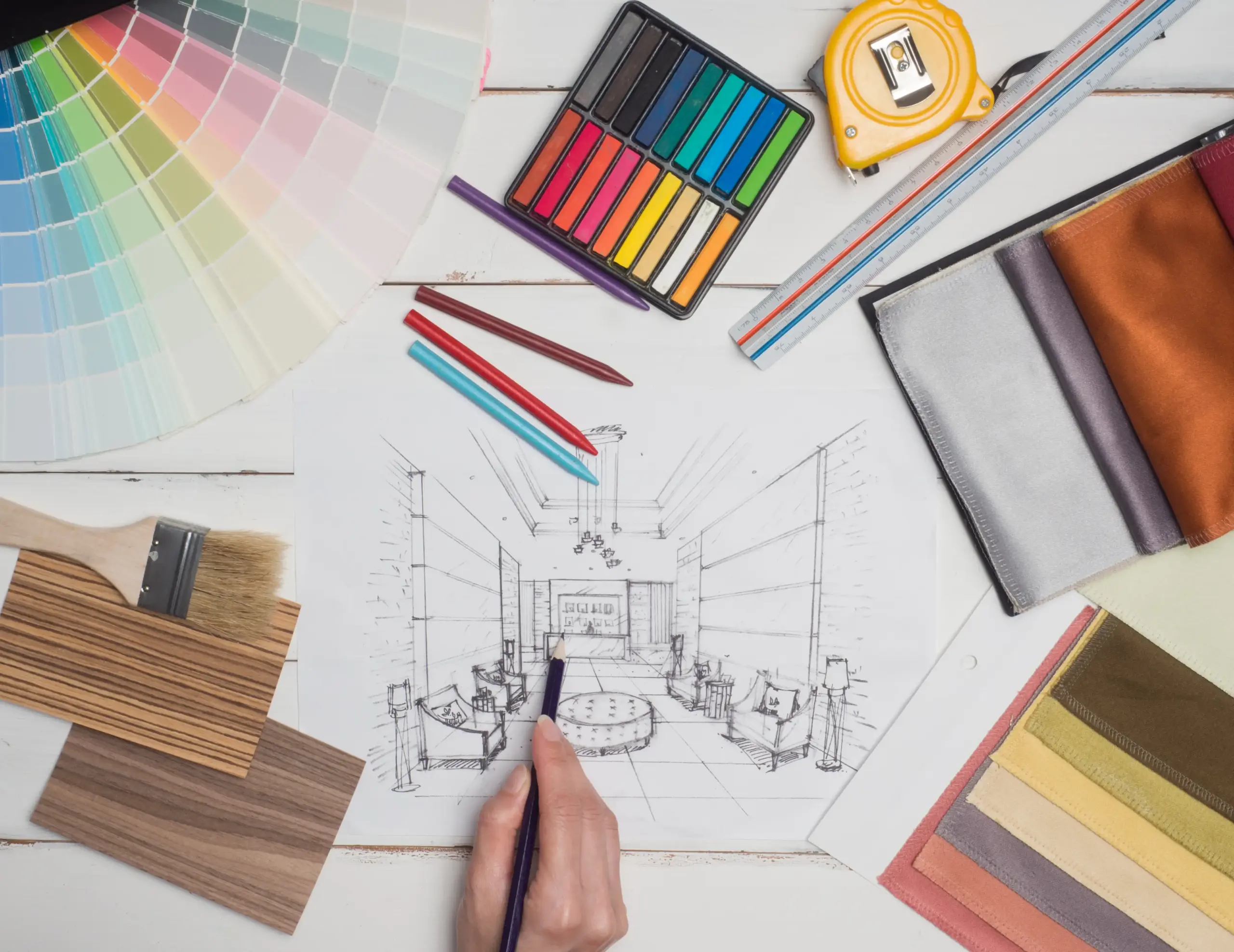
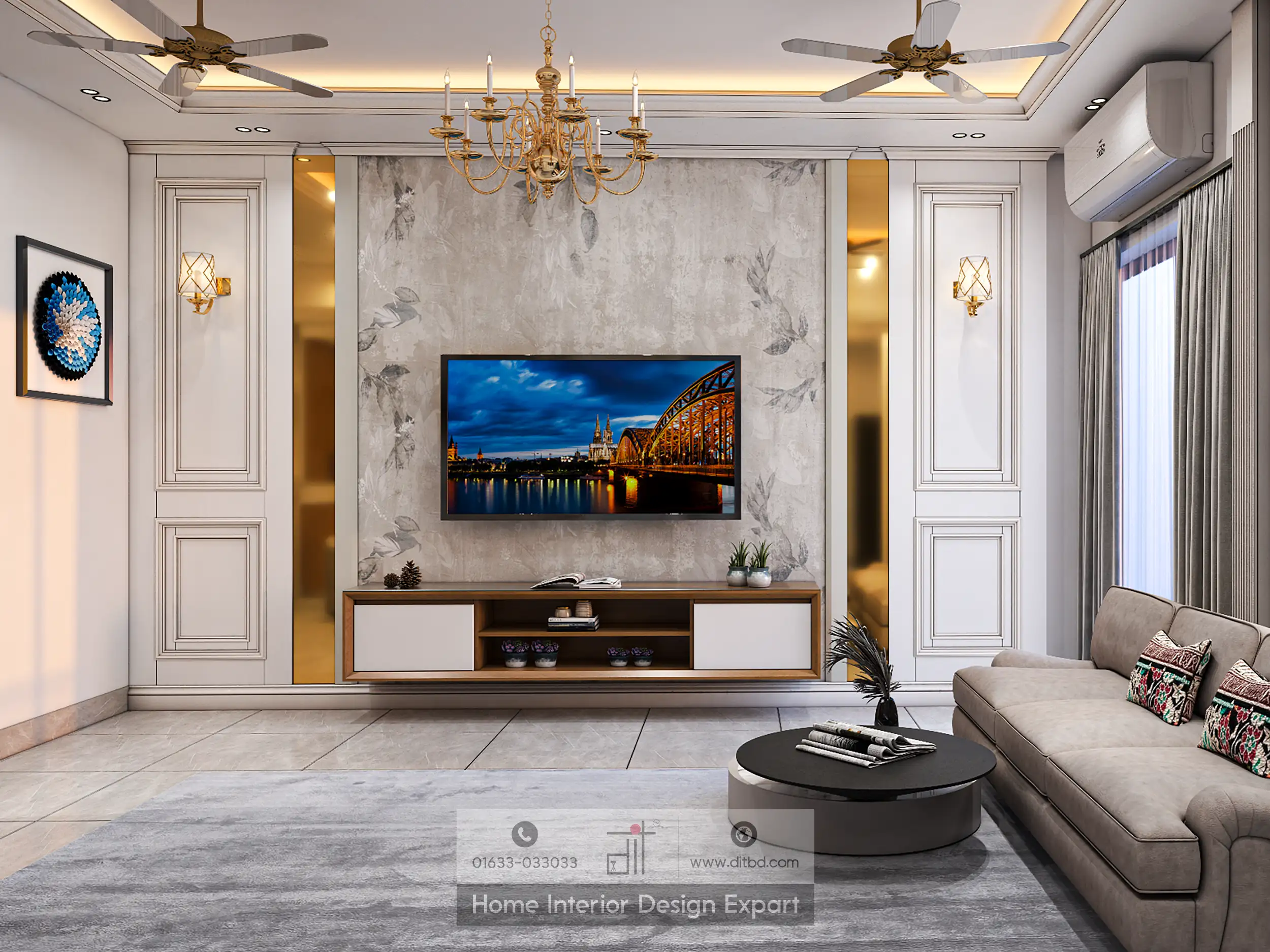
Before a single bag of cement is mixed for the interiors, we create comprehensive 3D visualizations. These are computer-generated, photorealistic images that show exactly how your home will look.
This step is vital for decision-making. It allows you to:
- See the interplay of colors, textures, and lighting.
- Visualize the volume of furniture in the room.
- Experiment with materials—comparing local teak wood finishes against modern imported laminates.
If you want to change a feature, we do it on the computer screen, not on the construction site. This saves lakhs of Taka in potential rework.
Designing for Bangladesh: Local Challenges & Solutions
Designing a home in Bangladesh requires more than just good taste; it requires deep knowledge of the local environment.
Combatting Humidity and “Nona” (Salinity)
Bangladesh’s humid climate and soil salinity are the enemies of interior decor. “Nona” or saltpeter rising in walls can destroy expensive paint and woodwork within months.
- Early Solution: When we are involved early, we can recommend specific damp-proof courses (DPC) and salt-resistant additives for the plaster mix during the construction phase. We select materials like marine-grade plywood and treated wood that can withstand the monsoon humidity.
Maximizing Natural Light and Ventilation
In the dense concrete jungle of Dhaka, natural light is a luxury.
- Design Solution: By planning the layout early, we can position internal partitions (perhaps using glass or open shelving) to allow light from windows to penetrate deeper into the apartment, reducing your reliance on artificial lights during the day.
The Kitchen: The Heavy-Duty Zone
Bangladeshi cooking is heavy on spices, heat, and oil. A delicate, Western-style open kitchen often fails here without proper extraction.
- Design Solution: We design kitchens with heavy-duty chimney considerations and easy-to-clean backsplashes. We can design “semi-open” kitchens that offer the modern look but can be closed off during heavy cooking to prevent odors from spreading to the living room.
Financial Wisdom: Budgeting for Interiors
A common question we face is regarding the budget. While costs vary wildly based on materials—from locally sourced tiles to imported Italian marble—planning early helps you control the budget.
- Phased Spending: Integrating design with construction spreads the cost over a longer period, rather than a massive lump sum at the end.
- Material Procurement: Early planning allows you to buy materials during sales or lock in prices before inflation hits, a common occurrence in the construction material market.
- Value Engineering: If a design is over budget, we can “value engineer” it—swapping expensive materials for cost-effective lookalikes—before any purchases are made.
Conclusion
Interior design is not just about how a house looks; it is about how it works. It is about creating a space that alleviates the stress of Dhaka’s chaotic traffic the moment you step inside. It is about facilitating your lifestyle, whether that involves large family gatherings or quiet evenings of study.
The path to a dream home is paved with decisions. The smartest decision you can make is to bring a design partner on board early. Ideally, consult with an interior design firm after the roof casting and before the bricklaying. This “sweet spot” grants you the flexibility to mold your home to your will without the wastage of demolition.
Your home is likely the biggest asset you will own. Don’t leave its functionality to chance or generic developer layouts. Take control of your space.
Are you currently in the construction phase of your building or looking to renovate? Contact DIT Studio today. Let us help you plan your dream interior before the first brick is laid, saving you time, money, and stress.