
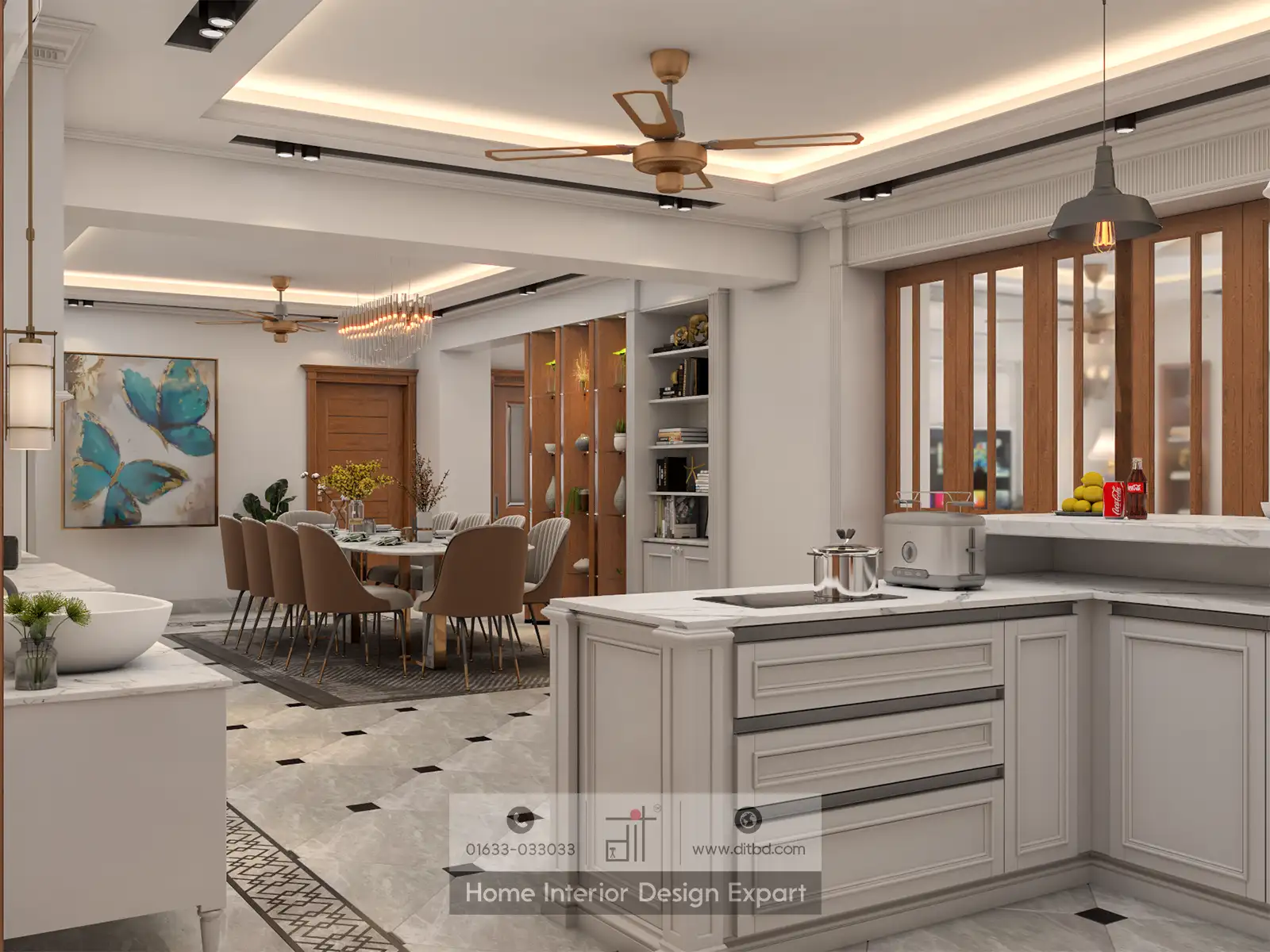
An accent wall is a single wall (or sometimes a partial wall) that stands out from its neighbors through color, texture, material, or pattern. It’s different. It’s intentional. And in a drawing room, it’s transformative and almost always worthwhile.
Your drawing room is your home’s formal space, the room where first impressions matter. An accent wall creates a focal point, adds sophistication, and anchors the room’s character without overwhelming it. Rather than looking at four identical white walls, your eye rests on one curated, beautiful wall-and suddenly the entire room feels more intentional and designed.
The drawing room benefits from an accent wall more than almost any other room in your home. This is a space where design matters, where guests are entertained, where the room’s character reflects your taste and personality. A well-chosen accent wall elevates everything about the space, creating a cohesive, intentional feeling.
But here’s the risk: a poorly chosen accent wall feels dated, claustrophobic, mismatched, or overwrought. The color might be wrong for your climate. The material might fight with your existing furniture. The placement might draw focus to the wrong wall. One bad decision undoes otherwise good design and creates regret.
At DIT Studio, our philosophy is simple, your accent wall should enhance your drawing room, not dominate it. Your style should shine through, not trend-following or designer clichés. And the accent wall should be beautiful not just on day one, but for years to come.
Culturally, Dhaka homes are moving away from all-white walls toward personalized design. After years of blank, neutral rooms, homeowners increasingly crave color, texture, and personality. The accent wall is the entry point for many, one wall where personality and design confidence emerge. This shift toward intentional design is exactly what makes a good accent wall so valuable.
Option 1-Paint: The Classic Approach (With Modern Twists)
Paint is the most accessible accent wall option because it’s affordable, reversible, and offers endless color possibilities.
Why paint works:
Paint delivers immediate visual impact, it’s easier to change than permanent installations, and the color range is virtually infinite. If you love a color for three years and then crave change, repainting is straightforward. This flexibility matters when you’re experimenting with bolder colors.
Color psychology shapes how an accent wall feels. Understanding this helps you choose colors that achieve your intended mood rather than just following trends.
Deep jewel tones-emerald, sapphire, burgundy, amethyst-create luxury and sophistication. These colors are intimate and confidence-building; they tell guests you know your style and trust it. In a drawing room, jewel tones often feel exactly right: formal enough for entertaining, beautiful enough to impress, personal enough to feel genuine.
Warm neutrals-taupe, terracotta, warm gray, soft greige-project timeless elegance. These colors feel less risky than bold hues, yet they move far beyond boring white. A soft taupe wall feels curated and intentional; it’s neutral without being invisible. Terracotta particularly resonates in Bangladeshi design, connecting to cultural aesthetics while feeling contemporary.
Bold colors-deep navy, forest green, charcoal, rich plum-create modern sophistication. These are confident colors for confident homeowners. They work beautifully in drawing rooms where the formality of the space supports bold choices. Navy in particular works beautifully in Dhaka homes, creating a sense of luxury and stability.
Soft pastels-pale blush, sage green, soft lavender-feel contemporary and subtly elegant. These colors are experiencing a moment in premium design, moving beyond gender stereotypes into sophisticated territory. A pale sage accent wall creates modern elegance without shouting or demanding attention.
Dhaka’s climate introduces specific considerations that can’t be overlooked. Air conditioning affects color appearance-cool-toned lighting makes colors look different than natural daylight. Always test your color choice under both AC and natural light. Morning light, afternoon light, and evening light reveal different facets of color. A color that’s beautiful in morning light might feel cold in evening artificial light.
Humidity and dust exposure affect how colors appear practically. Matte finishes show dust more readily than satin or eggshell finishes. In Dhaka’s air quality, this matters practically and visually. Sun exposure (if your wall receives direct sunlight) causes fading over time-less critical if your wall faces north, more important if it receives afternoon sun.
Trending colors in 2026 Dhaka design reflect global movements toward nature-inspired, sophisticated palettes. Deep greens ground a space and feel inherently sophisticated and timeless. Warm greys offer modern versatility without coldness or sterility. Moody blues work beautifully in drawing rooms, evoking luxury and calm. Rich earth tones-terracotta, ochre, warm brown-feel simultaneously current and timeless, often reflecting cultural connections that resonate deeply with Bangladeshi homeowners.
Finish selection matters more than many people realize. Matte finishes feel sophisticated and absorb light, hiding surface imperfections but showing dust more readily. Eggshell balances elegance and durability beautifully. Satin finishes offer subtle sheen and easier cleaning. High-gloss finishes create drama and statement-making presence, but they’re less forgiving of wall imperfections and can feel overly reflective in bright light.
For a drawing room, eggshell or satin usually works best: elegant without looking flat, durable enough for a guest-facing space, with enough sheen to feel intentional without being reflective or overwhelming.
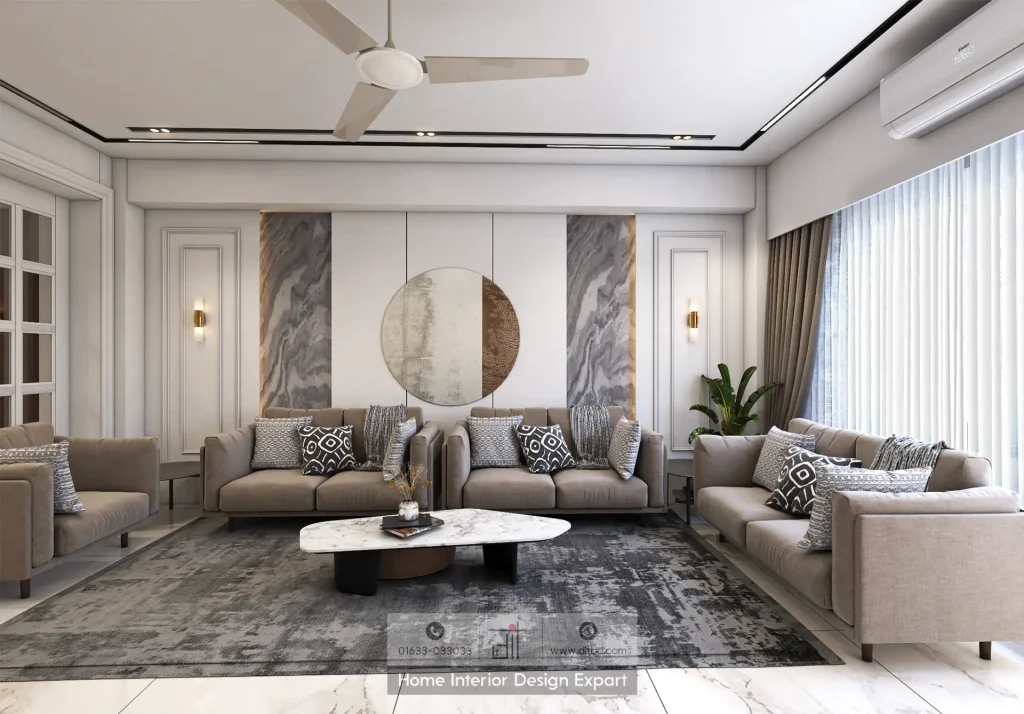
Option 2-Wallpaper: Pattern and Texture Without Commitment
Wallpaper has experienced remarkable resurgence in premium interior design, and for good reason: it creates instant sophistication and personality that paint cannot match.
Why wallpaper works:
wallpaper delivers pattern and texture that paint cannot, it transforms a wall dramatically, it hides imperfect wall surfaces (important in older Dhaka buildings), and modern options offer real flexibility. Quality wallpaper can transform even aging, imperfect walls into beautiful surfaces.
Wallpaper types matter significantly. Traditional vinyl is durable and wipeable-excellent for Dhaka’s humidity, though adhesion in extreme heat requires quality installation. Peel-and-stick wallpaper offers flexibility and removability; newer options are genuinely high-quality. Natural fiber wallpapers-grasscloth, raffia, jute-create textured sophistication but require careful installation and are less forgiving of humidity.
Flocked and 3D wallpapers create tactile, premium feels. These tactile options evoke luxury and craftsmanship, though they require careful dust maintenance and aren’t ideal for extremely humid climates.
Pattern selection influences the room’s entire character dramatically. Geometric patterns feel modern and sophisticated; they’re less busy than florals while still creating visual interest. Botanical and floral patterns evoke elegance and growth; they’re timeless and work beautifully in formal drawing rooms. Textured or damask patterns connect to traditional luxury and formal entertaining. Solid textured wallpapers (no pattern, just texture) create subtle interest without visual intensity or busyness.
Minimalist patterns-simple lines, negative space, clean geometry-appeal to contemporary sensibilities and work beautifully in modern drawing rooms.
Pattern scale matters enormously. Large-scale patterns work in larger drawing rooms where they feel bold and purposeful. In compact spaces, smaller patterns prevent overwhelm. Pattern density affects perceived space: dense, busy patterns make space feel smaller; open patterns make space feel larger.
Mixing wallpaper with painted walls creates beautiful balance. Perhaps your accent wall is wallpapered, while others are painted solid color. Or wallpaper covers the lower half of a wall (wainscot style) while paint tops it. This flexibility allows personality without overwhelming.
Dhaka’s humidity poses challenges for wallpaper. Vinyl wallpapers withstand humidity better than paper-based options. Breathable wallpapers prevent moisture trapping behind the covering, preventing mold and damage. Quality adhesive is essential-Dhaka’s heat can weaken cheap adhesives, causing seams to separate and lift.
Durability in Dhaka’s dust environment matters practically. Wipeable vinyl wallpapers allow dust removal without damage. Paper-based wallpapers are more vulnerable to dust accumulation and staining.
The perception that wallpaper is permanent is increasingly outdated. Quality peel-and-stick options allow removal and repositioning, making experimentation possible. Even permanent wallpaper can be professionally removed. This flexibility makes wallpaper a less risky choice than it once was.
Option 3-Texture and Tactile Materials: Sophisticated Dimension
Moving beyond flat finishes, three-dimensional texture creates premium feel and transforms how light plays across a wall, adding depth and sophistication.
Textured paint (sand, stucco, popcorn finishes) adds subtle dimension. These finishes catch light differently than smooth paint, creating visual interest and depth. They’re affordable and relatively simple to apply, making them accessible for most budgets. Even subtle texture elevates a space.
3D wall panels create bold architectural statements. These geometric, dimensional panels create shadow play and sculptural interest. They’re decidedly modern and require bold design confidence-but in the right space, they’re absolutely stunning and create a striking focal point.
Brick or exposed stone offers industrial-chic warmth. If your building’s actual walls have brick behind plaster, exposing it creates authentic texture. If adding brick, consider whether it matches your drawing room’s aesthetic-brick feels casual to some, architectural to others. It works beautifully in certain style contexts.
Plaster finishes create organic, artisanal sophistication. Venetian plaster, stucco, and other plaster techniques offer hand-crafted appearance and subtle dimension. These premium finishes signal investment and craftsmanship.
Fabric wall coverings bring luxurious, tactile quality. Linen, wool, or velvet coverings create premium feel and offer acoustic benefits (sound absorption). They’re genuinely sophisticated and utterly upscale-though they require careful maintenance and dust management in Dhaka’s environment.
Advantages of tactile materials emerge in formal drawing rooms. Texture adds visual interest when viewed from various angles. It creates genuine tactile experience (sophisticated) rather than just visual interest. Light plays differently across textured surfaces, creating depth and dimension. The result feels unique and one-of-a-kind, not mass-produced.
Dhaka’s climate requires careful consideration. Texture traps dust-more textured surfaces mean more dust accumulation requiring more frequent cleaning. Humidity affects different materials differently; some breathe better than others. Proper ventilation prevents moisture problems and extends material lifespan.
Cost varies enormously. Textured paint is affordable. Wall panels range from moderate to premium. Exposed brick, plaster, and fabric coverings occupy premium territory. Your choice depends on budget and design commitment.
Maintenance matters significantly. Textured walls are harder to clean and touch up than smooth walls. Specialized cleaning might be required. Consider long-term care before selecting high-maintenance finishes.
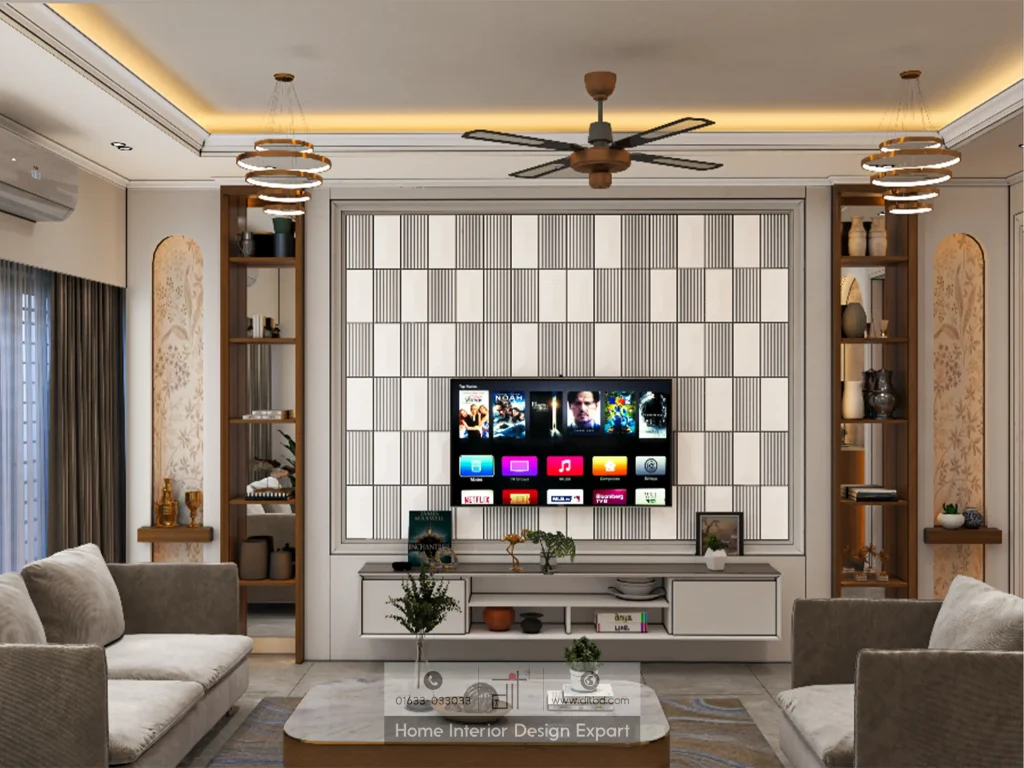
Option 4-Wood Paneling: Premium, Warm, Timeless
Wood paneling is experiencing well-deserved renaissance. It’s warm, sophisticated, biophilic (connecting to nature), and genuinely premium in feel and execution.
Why wood works:
Wood introduces natural warmth absent in painted or wallpapered walls, it creates acoustic benefits (sound absorption), it feels substantial and crafted, and the trend toward biophilic design makes it culturally current and resonant.
Options abound. Full wall paneling (floor to ceiling) creates dramatic architectural statements. Half-wall paneling (wainscot style) adds traditional elegance. Horizontal slat walls offer modern interpretation of classic paneling. Vertical shiplap (modern evolution of paneling) creates clean, contemporary texture. Wood accent behind furniture-shelving, media units, bed headboards-introduces warmth without paneling entire walls.
Wood types and finishes shape the feeling completely. Light woods (oak, birch, ash) feel airy and contemporary. Medium woods (walnut, cherry) offer warmth and balance. Dark woods (walnut, ebony) create luxury and sophistication, though they feel bolder and more dramatic. Matte finishes feel sophisticated and contemporary. Glossy finishes feel reflective and dramatic, creating light play that reveals wood grain beautifully.
Dhaka’s climate introduces genuine challenges with wood. Wood responds to humidity-it expands and contracts with moisture levels. Improper acclimation before installation can cause warping or swelling. Quality finishing and sealing become essential for durability in Dhaka’s heat and humidity. This isn’t optional; it’s essential.
This is where DIT Studio’s in-house manufacturing advantage becomes invaluable. We select wood with understanding of Dhaka’s climate, finish it appropriately for long-term durability, and install it with climate considerations foremost. Wood paneling sourced and finished by climate-aware craftspeople performs reliably; poorly sourced and finished paneling fails prematurely.
Installation affects visual interest and functionality significantly. Properly installed paneling creates seamless, sophisticated appearance. Poor installation shows seams, gaps, and uneven surfaces.
Cost positions wood paneling firmly in premium territory. It’s a significant investment. But properly executed, it’s timeless-wood paneling installed 20 years ago remains beautiful 20 years later, while paint or wallpaper requires refreshing. The long-term value proposition makes sense for those committed to their drawing room design.
Selecting Your Accent Wall Location (The Strategic Choice)
Where you place your accent wall matters as much as what you choose. Poor placement undermines even beautiful colors or materials.
Strategic placements work beautifully. Directly behind primary seating draws focus to conversation and comfort. Wall with architectural interest (windows, niche, or existing feature) leverages existing character. Wall you see when entering the room creates immediate visual impact-guests’ first impression. Wall opposite main entry draws eye into the room and creates perceived depth.
Avoid these placements carefully. Walls with many openings (doors, windows) disrupt visual impact-your accent color gets interrupted, diminishing effect. Walls you rarely see from your seated position defeat the purpose-if you’re not looking at it regularly, why create it? Multiple accent walls create chaos, not sophistication. The design principle is simple: one accent wall, carefully chosen, tells a story. Two or more walls tell multiple conflicting stories.
Room-specific considerations matter enormously. Small drawing rooms require careful accent wall selection. Pick a wall you’ll actually see regularly, avoid very dark colors that feel claustrophobic, ensure the placement doesn’t feel random. Large drawing rooms allow bolder colors and more dramatic statements; the scale supports them. Long, narrow rooms benefit from accent walls that break up length and create focal points. High ceilings can leverage dark colors (which draw eye downward, creating coziness) better than low ceilings (where dark colors can feel heavy).
Testing before commitment prevents regret and wasted resources. Create large fabric swatches or color samples on the actual wall. Live with them for several days, observing in different light conditions. Morning light and evening light reveal different facets. How does the color interact with your existing furniture? Your lighting? Does it feel right?
In Dhaka homes, test both in AC-cooled conditions and natural light. Air conditioning changes color perception; you want the color to work under both conditions. Sun exposure affects how colors appear throughout the day. Humidity and heating patterns might influence wall moisture (visible on poorly ventilated walls). Test realistically in your actual environment.
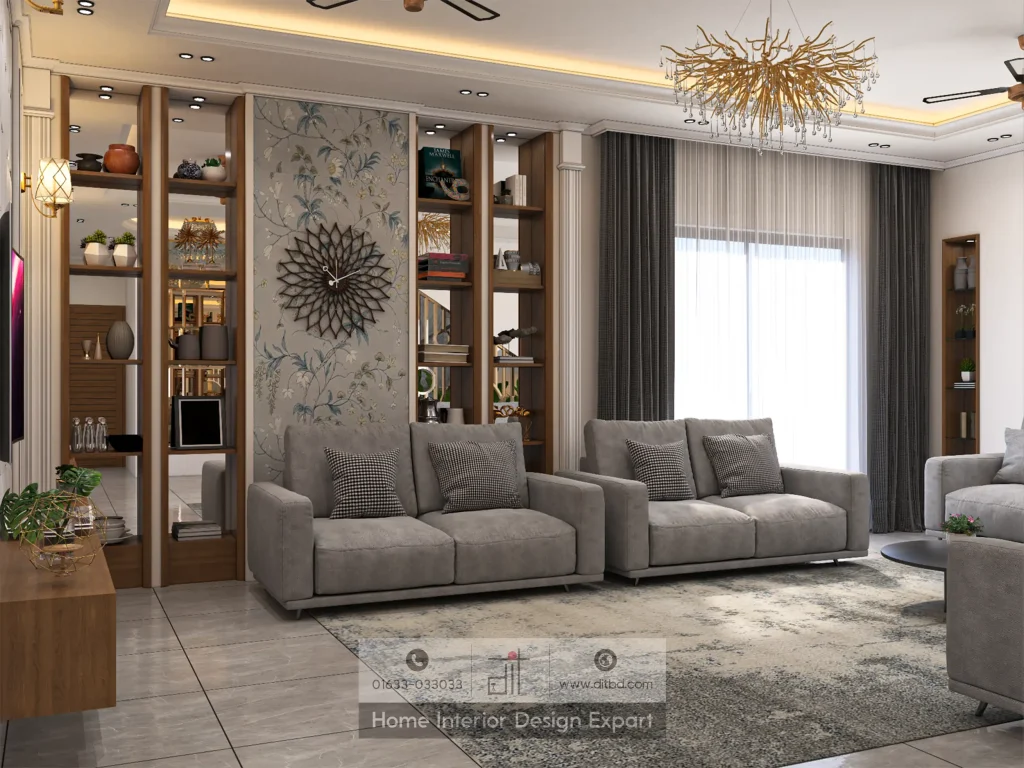
Color Psychology and Current Dhaka Design Trends
Understanding color psychology helps you choose colors that serve your desired mood rather than just following trends that will fade.
Warm colors-red, orange, yellow, warm brown, terracotta-energize and welcome. These colors feel intimate and enveloping. They’re psychologically activating, often increasing appetite and social engagement. In drawing rooms, warm colors create invitation and hospitality.
Cool colors-blue, green, purple, cool gray-calm and soothe. They feel spacious and sophisticated. Psychologically, they lower heart rate and promote thoughtfulness. Drawing rooms benefit from cool colors’ inherent formality and calm.
Neutral colors-gray, beige, taupe, warm white-offer versatility and balance. They’re psychologically neutral, neither activating nor sedating. Neutrals work beautifully in drawing rooms where you want elegance without mood dictation.
Dark colors (deep jewel tones, dark grays, charcoal)-feel moody, sophisticated, intimate, potentially heavy if misused. In proper spaces, they’re absolutely luxurious. In small spaces without proper lighting, they risk feeling claustrophobic.
Light colors (pale pastels, soft neutrals, off-whites)-feel airy, spacious, calming. They expand perceived space and feel approachable.
For drawing rooms specifically, balance sophistication with welcome. Guest-facing spaces work when they’re beautiful but also inviting. Deeper colors, jewel tones build luxury ambiance for formal entertaining. Warmer tones create approachable luxury. The goal: impressive without unwelcoming.
Current Dhaka design trends in 2026 show fascinating evolution. The era of stark white walls is genuinely ending.
Homeowners increasingly embrace warm, textured neutrals that feel intentional and sophisticated. Deep greens-from forest green to sage-ground spaces and feel inherently upscale. Warm grey-blues offer modern sophistication while remaining versatile and timeless.
Terracotta and ochre connect to cultural context while trending globally-they’re warm, welcoming, and sophisticated simultaneously. Jewel tones-emerald, sapphire, amethyst-appear increasingly in luxury homes, creating opulence through color.
Matte finishes trend over glossy, reflecting contemporary preference for understated sophistication over reflective shine.
But here’s the essential truth: trends fade quickly. Your accent wall should reflect your genuine style, not next year’s forgotten trend. Ask yourself: Will I love this color in five years? Does it reflect my personality? Does it work with my existing pieces? These questions matter more than whether it’s currently trending.
At DIT Studio, our philosophy is “Your style, not ours.” Choose colors that genuinely resonate with you. An accent wall is actually a reversible investment-wallpaper can be changed, paint can be refreshed. This knowledge should free you to choose colors you actually love rather than safe, trendy colors that feel bland.
Practical Considerations: Lighting, Space, and Climate
Choosing an accent wall isn’t purely aesthetic-practical considerations ensure your choice works long-term in your actual space.
Lighting transforms how accent walls appear dramatically. Natural light reveals true color (as much as any artificial light can). But natural light changes throughout the day. Your accent wall in morning light differs from evening light. Observe your chosen color through a full day cycle before committing.
Artificial lighting matters equally. Warm white light creates different mood than cool white light. Directional light creates shadow and dimension on textured walls. Testing under your actual lighting conditions (not just showroom samples) prevents disappointment.
Dark accent walls with insufficient lighting feel heavy and claustrophobic. Light accent walls with minimal lighting can feel flat. Proper lighting design and wall selection must work together.
Impact on perceived space requires consideration. Dark accent walls make rooms feel smaller and more intimate-beautiful in large, properly lit drawing rooms; potentially oppressive in compact spaces. Light accent walls make rooms feel larger and more open. Cool colors recede, expanding perceived space; warm colors advance, making space feel cozier. Choose colors that serve your space’s actual dimensions and lighting.
Bangladesh climate specifics demand attention. Humidity management shapes material choices. Choose moisture-resistant materials, especially if the wall receives humidity from adjacent kitchens or bathrooms.
- Heat and sun: light-colored walls stay cooler, helping AC efficiency.
- Dust control: matte finishes show dust more readily than satin; in Dhaka’s air quality, this matters practically and aesthetically.
- Ventilation: ensure proper air circulation around accent walls, particularly if using materials prone to moisture retention.
Maintenance and longevity shape practical choices. Paint requires periodic touchups and refreshing every 5-7 years. Wallpaper lasts 7-10 years depending on quality and humidity control. Textured finishes require careful cleaning and professional touch-ups. Wood requires periodic refinishing but lasts indefinitely with proper care. Your time and maintenance commitment should match your material selection.
DIT Studio’s advantage:
Professional guidance informed by years of Dhaka climate experience. We understand which finishes perform reliably, which materials require special care, which choices withstand our climate. This expertise prevents costly mistakes and ensures your investment endures.
Ready to Choose Your Perfect Accent Wall?
Your accent wall should be as unique as your home, reflecting your personality and working beautifully within Dhaka’s specific climate and light conditions.
The process isn’t complicated, but it’s important. Start with color psychology: what mood do you want? Continue with practical realities: will this material work in my actual space? Test before committing: live with samples in different light. Consider long-term: will I love this in five years?
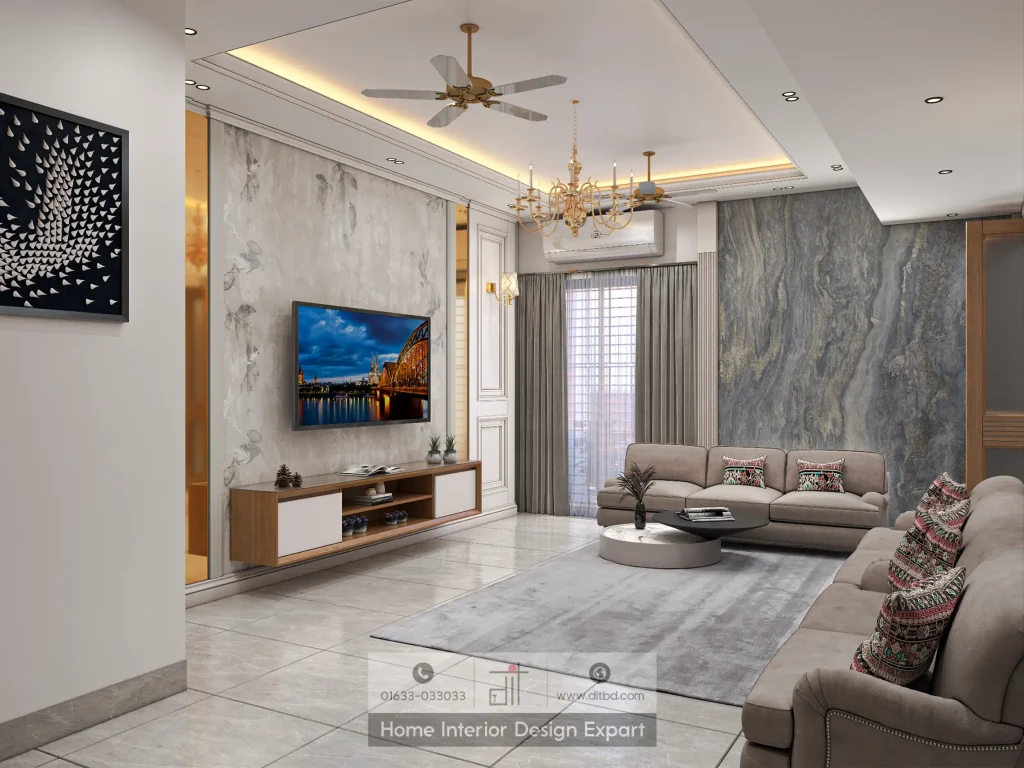
At DIT Studio, we create 3D visualizations showing exactly how your accent wall will look before you commit. Different color options, different materials, different placements-all revealed in realistic rendering. You’ll see how your actual furniture interacts with the new wall. How lighting affects it. How it changes the room’s entire feel.
Your accent wall should transform not just a room, but how you feel in it. Let’s explore colors, textures, and materials that actually work in Dhaka’s climate and match your authentic style. Contact DIT Studio for a free consultation and 3D visualization of your accent wall before you commit. Because the right feature wall doesn’t just follow trends-it creates timeless beauty that reflects who you actually are.
Want to understand how accent wall principles apply to small living rooms? Explore our guide to 7 Smart Living Room Design Ideas for Small Flats in Dhaka, where color and lighting strategies create perceived spaciousness. Or return to foundational concepts in Living Room vs Drawing Room: Design Differences Every Dhaka Homeowner Should Know, understanding how drawing rooms specifically benefit from intentional accent wall design.
FAQs: Accent Walls in Drawing Rooms
Q: What’s the best accent wall color for a small drawing room in Dhaka?
Warm neutrals (taupe, soft gray, warm beige) and soft jewel tones (sage green, powder blue) work beautifully in small spaces without feeling claustrophobic. Avoid very dark colors in small rooms without excellent lighting. Test colors under both natural and AC lighting before committing. The right color makes the space feel intentional and intimate, not cramped.
Q: Will an accent wall dated quickly, or is it timeless?
It depends on your color choice. Jewel tones and deep greens trend timeless, while bold trendy colors may feel dated in 3-5 years. The good news? Accent walls are reversible investments. You can repaint or change wallpaper when trends shift. Choose colors you genuinely love rather than what’s trending, and you’ll enjoy your accent wall for years.
Q: Should I choose paint, wallpaper, or texture for my drawing room accent wall?
Paint is affordable and reversible. Wallpaper creates instant pattern and sophistication but requires quality adhesive in Dhaka’s climate. Texture adds dimension and premium feel. Wood paneling is timeless but premium. Your choice depends on budget, maintenance tolerance, and how permanent you want the statement. Visualization helps you decide before committing.
Q: How do I ensure my accent wall works with Dhaka’s humidity and heat?
Choose moisture-resistant, breathable materials. For paint, use quality finishes with proper sealants. For wallpaper, choose vinyl over paper-based options. For wood, ensure proper acclimation and sealing. Test colors under both AC and natural light. Ensure ventilation around the wall. Professional guidance from climate-experienced designers prevents costly mistakes.
Q: Can I use an accent wall in a drawing room without a TV?
Absolutely! In fact, traditional drawing rooms benefit most from accent walls. Without a TV dominating space, your accent wall becomes the natural focal point. Position it behind seating, on the wall opposite entry, or on a wall with architectural interest. This creates a sophisticated, conversation-focused space without any screens.