
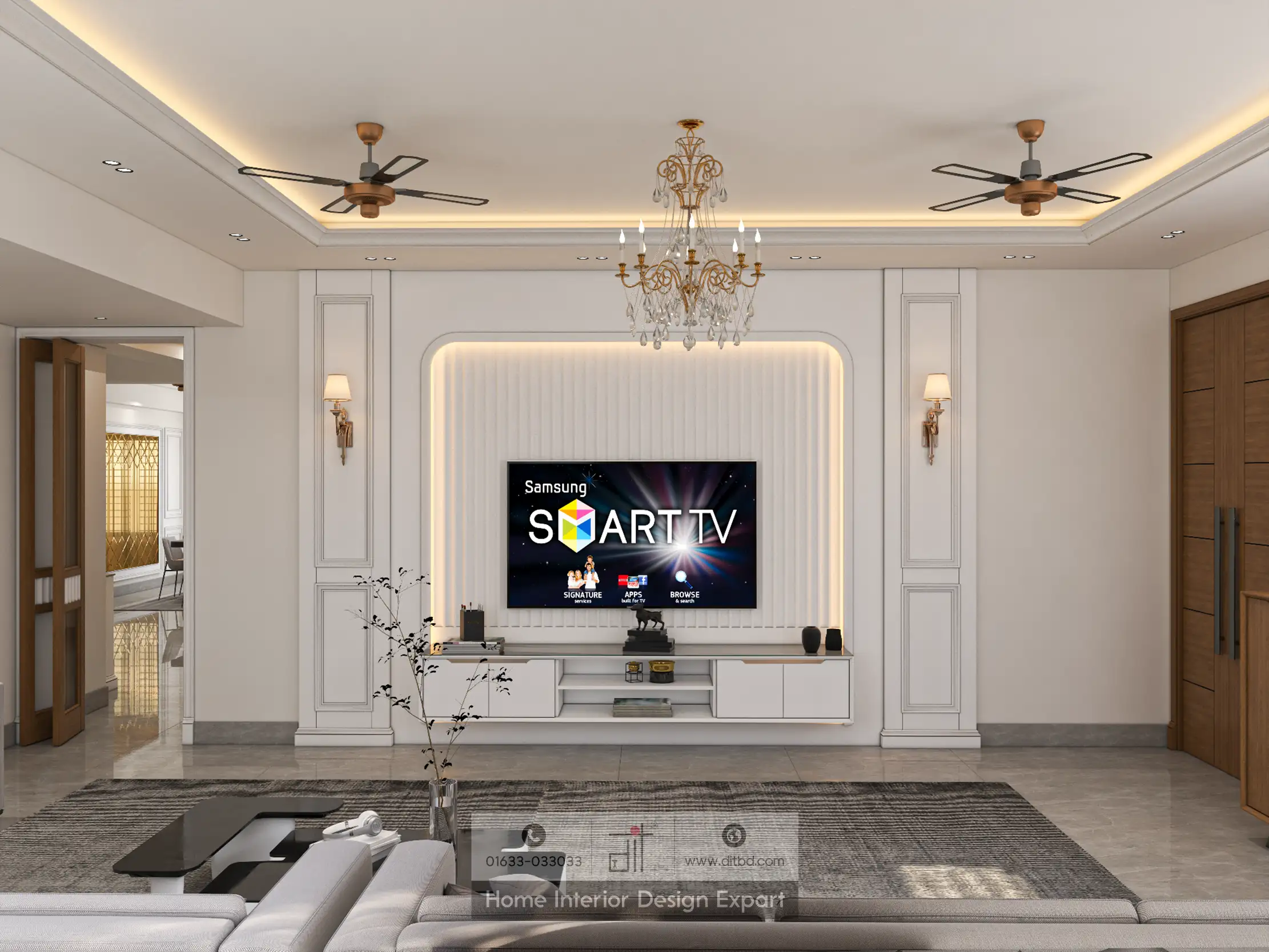
Imagine stepping out of the chaotic traffic of the Bijoy Sarani intersection or the bustling crowds of New Market and entering your home. Does your stress melt away, or does the clutter and disorganization amplify your anxiety?
In Bangladesh, a common misconception persists: that interior design is merely about vanity—a luxury reserved for the ultra-wealthy living in sprawling duplexes in Gulshan or Baridhara. Many homeowners believe that if they buy expensive furniture and slap a fresh coat of paint on the walls, their job is done. However, true interior design in Bangladesh is about much more than aesthetic appeal. It is a strategic discipline that combines architecture, psychology, and environmental science to solve real-life problems.
At DIT Studio, we understand that a home in Dhaka, Chittagong, or Sylhet faces unique challenges—from humidity-induced dampness to the spatial constraints of modern high-rise living. Professional interior design is not just about making a home look good; it is about engineering a lifestyle that elevates your well-being, maximizes your limited square footage, and protects your investment against the local climate.
Here is an in-depth look at why hiring a professional interior design firm in Bangladesh is a necessity, not a luxury, for the modern Bangladeshi homeowner.
Maximizing Space in the Era of Urban Density
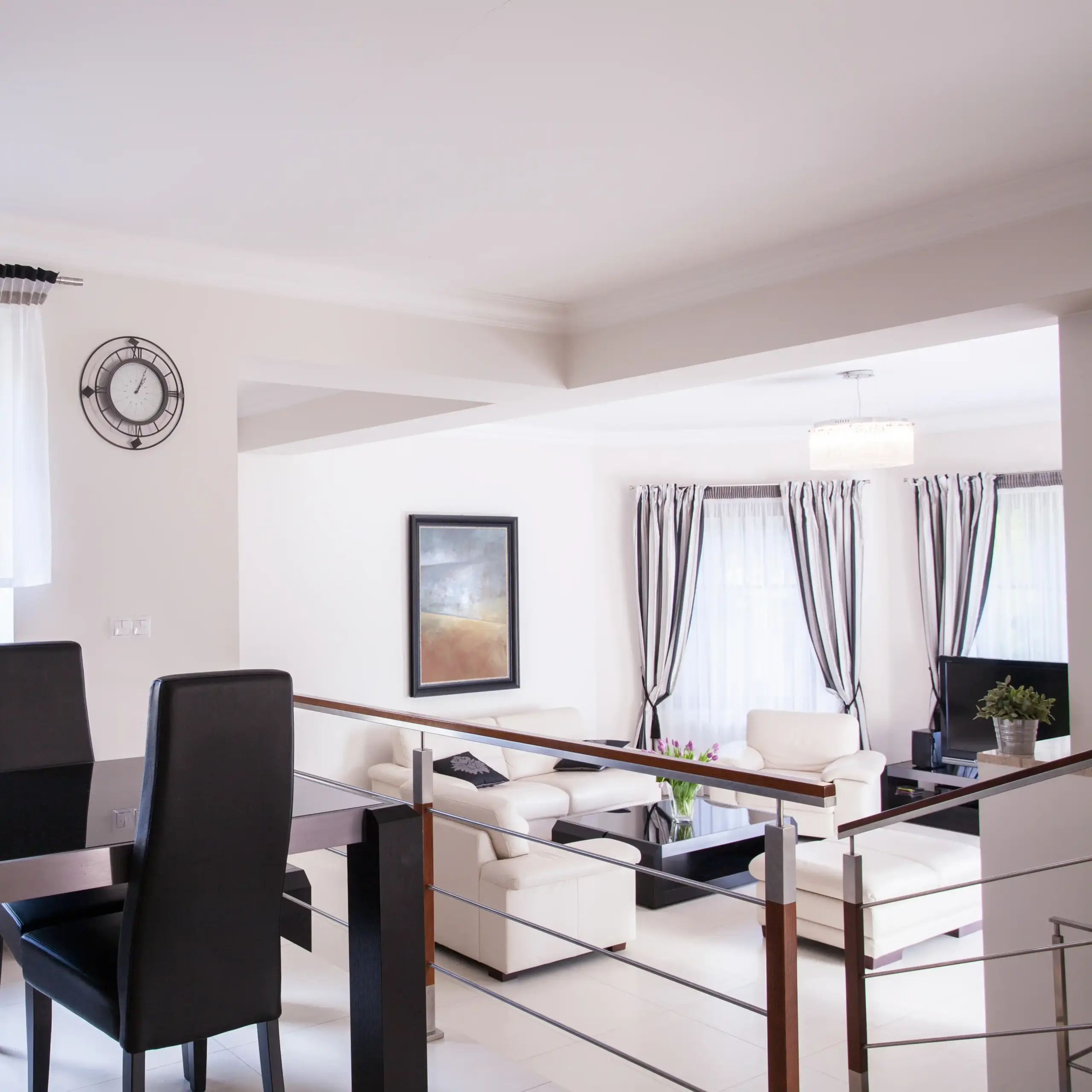
The “Dhaka Flat” Challenge
As urbanization peaks, living spaces in metropolitan areas like Dhaka and Chittagong are shrinking. Whether you own a 1,200 sq. ft. apartment in Mirpur or a compact unit in Bashundhara Residential Area, the biggest challenge is making the space feel open and breathable. A common mistake is overstuffing rooms with heavy, ornate furniture—a holdover from traditional decor styles—which leaves the home feeling cluttered and claustrophobic.
Strategic Space Planning
Professional space planning is the antidote to clutter. It’s not about breaking down walls (though sometimes structural changes are necessary); it is about the intelligent utilization of every inch.
- Vertical Utilization: In Bangladesh, we often ignore vertical space. Designers use floor-to-ceiling cabinetry and shelving to draw the eye upward and maximize storage without eating up floor space.
- Zoning: In open-plan living and dining areas common in Dhanmondi apartments, designers use lighting, rugs, or semi-transparent partitions to create distinct “zones” without blocking light, maintaining a sense of flow.
- Visual Illusions: Strategic use of mirrors, light colors, and glass elements can make a compact bedroom in Uttara feel twice its size.
Accessibility for All Ages
In our culture, multi-generational living is common. A well-designed home must cater to the toddler just learning to walk and the grandparents who may have mobility issues. Interior designers in Bangladesh are increasingly focusing on universal design—ensuring widened doorways for wheelchair access, non-slip flooring in bathrooms for the elderly, and ergonomic furniture heights that suit everyone.
Climate-Responsive Design: Battling Humidity and Dust
One of the most critical aspects often overlooked by DIY enthusiasts or local carpenters is the Bangladeshi climate. Our weather—characterized by high humidity, intense monsoon rains, and significant dust pollution—dictates that design must be durable.
Material Selection Matters
Imported designs from Western magazines often fail here because they don’t account for our humidity.
- Wood Treatment: Solid wood expands and contracts with moisture. Professionals know which local timbers (like Teak or Mahogany) are best suited and how they must be seasoned and treated to prevent warping or termite attacks.
- Monsoon-Proofing: Interior designers select materials that resist fungal growth. For example, using marine-grade plywood for kitchen cabinets and applying high-quality lacquer finishes that seal out moisture is standard practice for a reputable interior design firm in Bangladesh.
- Dust Management: In dusty areas like Mohammadpur or Farmgate, intricate moldings and open shelving can become maintenance nightmares. Designers often recommend closed storage solutions and smooth, wipeable surfaces (like acrylic or high-gloss laminates) to keep the home hypoallergenic and easy to clean.
The Psychology of Home: Comfort and Mood
Your environment dictates your mood. This is known as environmental psychology, and it is a core component of professional interior design.
The Sanctuary Effect
Abraham Maslow’s research suggests that our surroundings impact our mental hierarchy of needs. An unkempt, dimly lit home can subconsciously trigger anxiety and depression. After a long day of work and navigating Dhaka’s traffic, your home should be a visual and physical relief.
- Lighting Design: Many flats in Bangladesh suffer from poor natural light due to close building proximity. Designers combat this with a layered lighting approach—ambient lighting for general visibility, task lighting for reading or cooking, and accent lighting to add warmth.
- Color Theory: While vibrant reds and oranges are celebratory in our culture, they might be too stimulating for a bedroom. Designers use color psychology to select calming palettes (soft teals, neutrals, or warm earth tones) for relaxation zones, reserving energetic colors for social spaces.
Cultural Functionality: Designing for the Bangladeshi Lifestyle
A generic design found online cannot replicate the cultural nuances of a Bangladeshi household. We have specific needs that require tailored solutions.
The Kitchen: The Heart of the Home
Western “show kitchens” often don’t work for heavy Bangladeshi cooking involving turmeric, oil, and high heat.
- Ventilation is Key: A professional kitchen interior design in Bangladesh prioritizes high-power chimney systems and cross-ventilation to prevent spice odors from settling into living room fabrics.
- Wet vs. Dry Areas: We often design “wet kitchens” for heavy washing and cutting, separate from a pristine pantry area, ensuring the mess stays hidden while functionality remains high.
Hosting and Hospitality
Bangladeshi hospitality is legendary. Even in a small apartment, the living area must be flexible enough to host large gatherings of extended family or friends during Eid or festivals. Designers utilize modular furniture—nesting tables, stackable chairs, or sofa-beds—that can be expanded when guests arrive and tucked away when not in use.
Religious Spaces
For many families, having a dedicated, peaceful space for prayer is essential. Whether it is orienting a room towards the Qibla or creating a serene corner for meditation with appropriate storage for religious texts and mats, a professional designer integrates these spiritual needs seamlessly into the modern aesthetic.
Smart Storage: The “Hidden” Asset
“Where do I put the winter blankets? Where does the extra crockery go?”
These are the questions that plague every homeowner.
- Custom Solutions: Local carpenters often build standard box cabinets that leave “dead space” in corners. Interior designers use modern hardware—pull-out pantries, magic corners, and hydraulic lifts—to utilize deep corners and high shelves effectively.
- Decluttering the Mind: Organized storage means you aren’t hunting for keys or files every morning. By creating a specific place for everything—from shoe racks in the entryway to concealed utility cabinets for brooms and mops—designers help streamline your daily routine.
The Economic Argument: Saving Your Wallet in the Long Run
There is a prevalent myth that hiring a top interior design firm is an unnecessary expense. However, when viewed as an investment, it actually saves money.
avoiding the “Mistri” Trap
Many homeowners try to save money by directly hiring local contractors (mistris) and showing them a picture from Pinterest. The result is often a disaster: proportions are off, materials are substandard, and costs spiral due to rework. A professional team provides clear drawings, a fixed Bill of Quantities (BOQ), and project management, ensuring you stay on budget and avoid costly mistakes.
Future-Proofing
Interior designers anticipate future needs. They might design a study room that can easily convert into a nursery, or select durable flooring that will last 15 years instead of cheap tiles that crack in two.
Property Value
A well-designed flat in areas like Banani or Sylhet commands a significantly higher resale or rental value. Prospective tenants or buyers view a professionally designed interior as a sign of quality maintenance and ready-to-move-in convenience.

Why Choose DIT Studio?
At DIT Studio, we bridge the gap between your dreams and the practical realities of construction in Bangladesh. We don’t just pick curtains; we analyze your lifestyle.
- Consultation: We sit with you to understand your family structure, habits, and budget.
- Design & Visualization: We provide 3D visualizations so you can see exactly how your home in Chittagong or Dhaka will look before a single brick is laid.
- Execution: Our team manages the sourcing of authentic materials, oversees the labor, and ensures strict adherence to quality standards.
Whether you are looking for a professional interior design firm in Bangladesh to renovate an old family home or fit out a brand-new apartment, we bring expertise, transparency, and creativity to the table.
Conclusion
Your home is the backdrop of your life’s most cherished memories. It is where your children grow up, where you celebrate successes, and where you find solace. Leaving its design to chance or untrained hands is a risk that affects your daily comfort and long-term finances.
Investing in professional interior design is investing in a higher quality of life. It transforms a concrete structure into a living, breathing space that works for you.
Are you ready to transform your house into a functional, elegant home? Contact DIT Studio today to schedule a consultation and take the first step toward the home you deserve.