
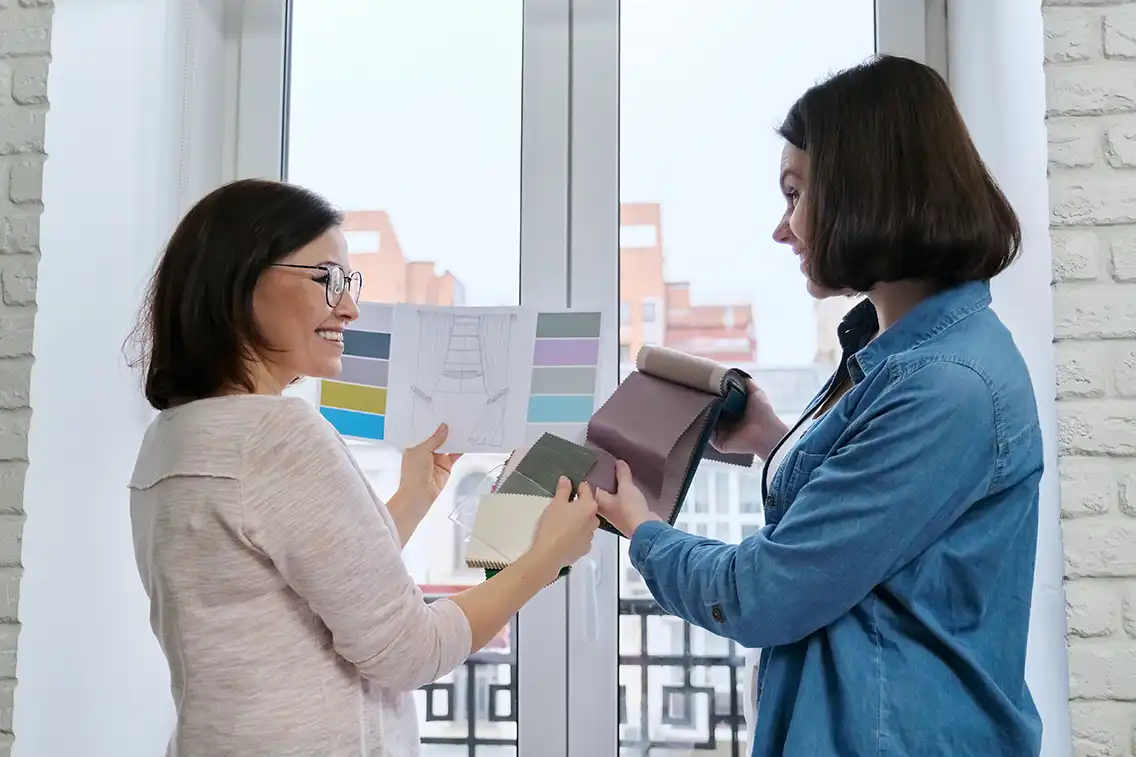
Introduction: Turning Your House into a Home in Bangladesh
In the bustling urban landscapes of Dhaka, Chittagong, or Sylhet, your home is more than just a shelter—it is your sanctuary. Whether you own a high-rise flat in Gulshan, a cozy apartment in Uttara, or a family residence in Dhanmondi, the chaotic energy of the city often necessitates a living space that offers tranquility, functionality, and aesthetic beauty.
However, bridging the gap between a bare structure and a dream home is a complex journey. Many homeowners in Bangladesh face a common dilemma: should they manage local contractors (mistris) themselves, or hire a professional? A good interior designer does more than just pick colors; they orchestrate the entire symphony of renovation, saving you from the headaches of material sourcing, space constraints, and construction delays.
Choosing the right partner is critical. With numerous architectural firms in Bangladesh claiming to be the best, how do you filter through the noise? This comprehensive guide will walk you through the process of selecting an interior design partner who understands not just design, but the unique cultural and climatic needs of Bangladeshi living.
1. Assess Your Needs: The Bangladeshi Context
Before you type “interior designer Bangladesh” into a search engine, you must look inward. Interior design is fundamentally about problem-solving. In Bangladesh, where square footage is at a premium and family dynamics are unique, assessing your needs goes beyond aesthetics.

Functionality Meets Culture
Bangladeshi homes often serve dual purposes: intimate family living and formal guest entertainment.
- The “Drawing” vs. “Living” Divide: Do you need a formal drawing room for guests that is separate from your private family living area?
- Multi-Generational Living: Do you live with elderly parents or extended family? If so, your design needs to account for accessibility and varied privacy needs.
- Prayer Spaces: For many families, a dedicated, peaceful prayer room or corner is non-negotiable.
Scope of the Project
Are you looking at a single-room makeover or a turnkey solution for an entire flat?
- Renovation vs. New Handover: Managing a brand-new flat handover in Bashundhara requires different expertise (civil work, false ceilings, electrical planning) compared to renovating an older building in Old Dhaka (dampness treatment, retrofitting).
- Space Planning: In dense areas like Dhaka, apartments can feel cramped. You need a designer expert in space planning—someone who can create storage solutions that don’t crowd the room.
2. Define Your Style in a Tropical Climate
Your home should reflect your personality, but it must also withstand the local climate. Bangladesh experiences high humidity, heavy monsoons, and dusty dry seasons. A professional interior designer will help you blend your style with practical realities.

Style Preferences
- Modern & Minimalist: Clean lines and clutter-free spaces are trending in modern interior design in Bangladesh, particularly for smaller flats where visual weight needs to be minimized.
- Traditional Elegance: Many homeowners prefer incorporating local heritage—think exposed brick, Jali work, or traditional wooden accents.
- Contemporary Luxury: A blend of sleek finishes, marble floors, and statement lighting common in high-end residences in Banani or Baridhara.
Climatic Considerations
A design that looks good on Pinterest might fail in Dhaka’s weather.
- Humidity & Material Selection: Local designers know that certain engineered woods might swell during the monsoon. They will advise on marine-grade plywood, treated solid wood, or moisture-resistant laminates.
- Ventilation & Lighting: Maximizing natural light and cross-ventilation is vital to combat heat and reduce electricity bills.
3. The Budget Conversation: Transparency is Key

One of the most sensitive aspects of home improvement is the budget. In Bangladesh, material prices can fluctuate, and hidden costs often surprise homeowners.
Determine Your Comfort Zone
Your budget dictates everything from flooring materials (tiles vs. marble) to fixtures. Be honest with yourself about what you are willing to spend.
- High-End vs. Budget-Friendly: Are you looking for imported Italian marble and smart-home automation, or durable local tiles and functional carpentry?
- Contingency Funds: Always set aside a buffer. In renovation projects, you might uncover issues like hidden plumbing leaks or electrical faults that need fixing before design work begins.
Understanding Cost Structures
Designers in Bangladesh typically work on different models:
- Turnkey Solutions: The firm handles everything—design, materials, labor, and supervision—for a total project cost. This is often the least stressful option for busy professionals.
- Design-Only Fees: You pay for the 3D visualization and drawings, but manage the execution yourself (not recommended unless you have construction experience).
- Management Fees: A percentage of the total project cost.

4. Researching Potential Designers
You have access to the internet, which makes your hunt easier, but also overwhelming. Here is how to refine your search for a trusted interior design company in Bangladesh.

Online Due Diligence
- Websites & Social Media: specific Facebook groups regarding home decor in Bangladesh are very active. Look at a firm’s Facebook and Instagram pages to see recent project updates.
- Google Maps Reviews: Check for local reviews. Do clients mention “professionalism” and “timely delivery”? These are rare commodities in the construction sector and worth their weight in gold at DIT Studio.
The Power of Local Referrals
Word of mouth remains the most powerful tool in Dhaka society. Ask colleagues or relatives who have recently done interior work. Ask specifically about:
- Did the designer stay within budget?
- How did they handle the mistris (laborers)?
- Was the after-sales service responsive?
5. Evaluating Portfolios: Look Deeper than 3D
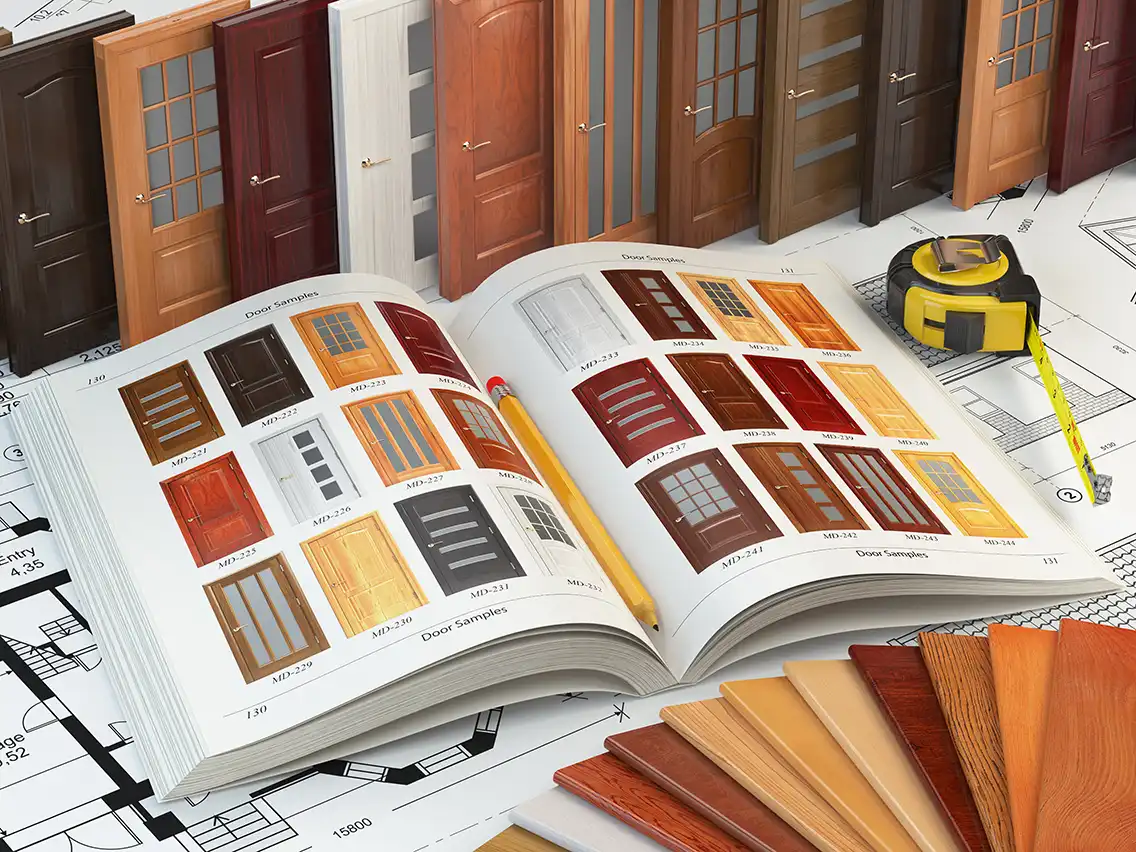
3D renderings are beautiful, but executed projects are reality. When reviewing portfolios, look for “Real” photos alongside the 3D images.
Versatility and Expertise
Does the firm only do commercial offices, or do they specialize in residential home interior design in Bangladesh? A firm expert in corporate acoustics might not understand the warmth required for a master bedroom.
Details Matter
Zoom in on the photos. Look at the finishing of the carpentry, the alignment of the tiles, and the quality of the lighting installation. High-quality workmanship is what separates a generic contractor from a premium interior design firm.
6. The Consultation: Interviewing Your Designers
Once you shortlist potential candidates, schedule a consultation. This meeting is about chemistry and communication.

Key Questions to Ask
- “How do you handle local sourcing?”
A good designer has established relationships with vendors in places like Hatirpool, Bangla Motor, or Chittagong Road to get you the best materials at fair prices. - “Who will supervise the site?”
In Bangladesh, constant site supervision is required to ensure laborers follow the design. Ensure the firm has dedicated project managers. - “What is your timeline estimation?”
While specific dates are hard to promise due to external factors (hartals, supply chain issues), a professional will provide a realistic project roadmap.

Communication Style
Misunderstandings can be costly. Ensure your designer listens more than they speak. They should be able to explain complex architectural terms in simple language. If they are dismissive of your ideas or push trends you dislike, they aren’t the right fit.
7. Reviewing Contracts and Scope
Before any hammer hits a wall, everything must be documented. Verbal agreements are risky in the construction industry.

The Contract Essentials
- Scope of Work: A detailed list of exactly what is included (e.g., “Kitchen Cabinetry with Hettich hinges” vs. just “Kitchen Cabinets”).
- Payment Schedule: legitimate firms will have a milestone-based payment structure (e.g., mobilization advance, running bills, final handover payment).
- Warranty/Service: Does the firm offer service for fittings or workmanship defects after handover?
8. Common Mistakes to Avoid in Bangladesh
To ensure a smooth journey, avoid these common pitfalls:
- Ignoring Lighting Design: Dhaka apartments can be dark. Relying solely on a central tube light is a mistake. Layered lighting (ambient, task, accent) is essential for a modern look.
- Overlooking Storage: We tend to accumulate items. Designing a minimalist living room without adequate hidden storage will result in a messy home within months.
- Choosing Looks Over Durability: Using materials that cannot withstand the humid summer or wet monsoon season will lead to peeling laminates and warped wood.
9. Making the Final Decision
After comparing portfolios, interviews, and budget estimates, the final decision often comes down to trust.
Trust Your Instincts
Renovating your home is an intimate process. You will be working closely with this team for weeks or months. Choose a designer who makes you feel understood and respected. The cheapest option is rarely the best; in interior design, you are paying for the expertise that prevents costly mistakes.
At DIT Studio, we understand that your home is your legacy. We blend modern global trends with the practical necessities of Bangladeshi living to create spaces that are as durable as they are beautiful.

Conclusion
Picking the right interior designer is the first and most crucial step in your home transformation journey. It requires a balance of research, budget planning, and understanding your own lifestyle needs. Don’t rush the process. A well-designed home in Bangladesh is not just about luxury; it’s about creating a peaceful, functional haven amidst the vibrancy of city life.
By following this guide, you are well on your way to finding a partner who can turn your vision into reality, ensuring that every corner of your home tells your story.